Social Commerce: Boost US Retail by 15% with 3 Key Platforms

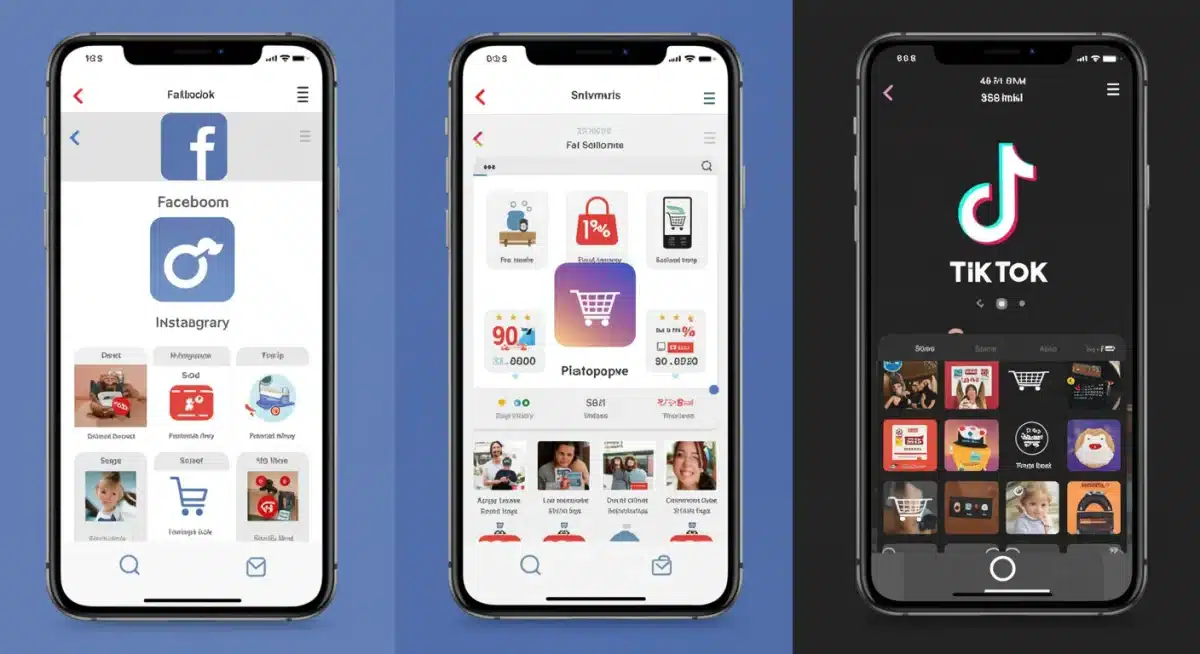
Implementing a robust social commerce platforms strategy, focusing on Facebook, Instagram, and TikTok, is projected to elevate US retail sales by a substantial 15% by 2025 through direct consumer engagement and streamlined purchasing paths.
The landscape of retail is undergoing a profound transformation, driven by the increasing integration of social media with e-commerce. This evolution, known as social commerce platforms, is not merely a trend but a fundamental shift in how consumers discover, evaluate, and purchase products. For US retail, the stakes are particularly high, with projections indicating a potential 15% increase in sales by 2025 for businesses that effectively leverage these powerful channels. Understanding and strategically utilizing key platforms like Facebook, Instagram, and TikTok is no longer optional but essential for sustained growth and market relevance in this dynamic digital era.
The Rise of Social Commerce in US Retail
Social commerce represents the convergence of social media and e-commerce, allowing consumers to complete their entire shopping journey, from product discovery to purchase, directly within social platforms. This seamless experience removes friction points, fostering impulse buys and enhancing customer loyalty. In the US market, this phenomenon is gaining unprecedented traction, fueled by sophisticated platform features and changing consumer behaviors.
The shift towards social commerce is driven by several factors, including the ubiquity of smartphones, the increasing time spent on social media, and the desire for personalized shopping experiences. Consumers are no longer just looking for products; they are seeking recommendations, engaging with brands, and sharing their experiences in real-time. This interactive environment makes social platforms ideal marketplaces.
Understanding the Consumer Shift
- Digital Natives: Younger generations, accustomed to digital interactions, naturally gravitate towards social shopping.
- Influencer Trust: Recommendations from trusted influencers significantly impact purchase decisions.
- Convenience: Integrated checkout processes offer unparalleled ease of purchase.
- Community Building: Brands can foster strong communities around their products, driving engagement and repeat business.
Ultimately, the rise of social commerce is a testament to evolving consumer expectations. Retailers who embrace this change are better positioned to meet these demands, offering a more engaging and efficient shopping experience. Ignoring these shifts risks falling behind competitors who are actively adapting to the new digital reality.
Facebook: A Foundation for Social Selling
Facebook, with its vast user base and mature advertising ecosystem, remains a cornerstone for social commerce strategies in the US. Its extensive suite of business tools provides retailers with powerful options for engaging customers and driving sales directly on the platform. From Shops to Marketplace, Facebook offers a versatile environment for businesses of all sizes.
The platform’s strength lies in its ability to target specific demographics with precision, thanks to its rich user data. This allows retailers to reach potential customers who are most likely to be interested in their products, optimizing advertising spend and improving conversion rates. Furthermore, Facebook’s integration with Messenger enables direct customer service and personalized interactions, building stronger relationships.
Key Facebook Commerce Features
- Facebook Shops: Allows businesses to create a customizable online storefront directly on Facebook and Instagram, enabling customers to browse products and make purchases without leaving the app.
- Live Shopping: Retailers can host live video broadcasts to showcase products, answer questions in real-time, and facilitate immediate purchases, creating an interactive shopping event.
- Marketplace: Provides a platform for both individuals and businesses to buy and sell items locally, offering an additional avenue for product visibility and sales.
Leveraging Facebook effectively requires a strategic approach that combines engaging content with targeted advertising and a seamless shopping experience. Businesses that master these elements can tap into a massive audience, transforming casual browsers into loyal customers and significantly contributing to their overall sales growth.
Instagram: Visual Storytelling and Impulse Buys
Instagram has emerged as a powerhouse for visual commerce, making it an indispensable platform for retailers looking to capitalize on impulse buys and aesthetically driven purchasing decisions. Its focus on high-quality imagery and video content aligns perfectly with product showcasing, allowing brands to tell compelling stories and inspire desire. The platform’s integrated shopping features have made it incredibly easy for users to transition from discovery to purchase.
The platform’s visual nature fosters a strong sense of community and aspirational living, where products are often integrated into lifestyle content. This makes advertising feel less intrusive and more organic, leading to higher engagement rates. Instagram Stories, Reels, and shoppable posts provide diverse formats for brands to connect with their audience and drive traffic to their storefronts.
Maximizing Instagram’s Shopping Potential
To truly harness Instagram’s power, retailers should focus on creating visually stunning content that highlights their products in an authentic and engaging way. Utilizing user-generated content, collaborating with influencers, and running targeted ad campaigns are crucial for expanding reach and building trust. The platform’s shopping tags and product stickers simplify the buying process, reducing the steps between inspiration and transaction.
- Shoppable Posts and Stories: Directly tag products in images and videos, allowing users to click and view product details or make a purchase.
- Instagram Shop Tab: A dedicated section within the app where users can discover products from various brands, similar to an online mall.
- Reels and IGTV Shopping: Integrate product tags into short-form video content and longer-form videos, catering to different content consumption preferences.
Instagram’s ability to blend entertainment with commerce makes it a unique and powerful tool for retailers. By creating an immersive and attractive shopping environment, brands can significantly boost their sales and strengthen their brand presence among a highly engaged audience.
TikTok: Short-Form Video and Viral Commerce
TikTok’s meteoric rise has positioned it as a critical player in the social commerce landscape, especially for reaching younger demographics and leveraging the power of viral content. Its short-form video format fosters authenticity and creativity, allowing brands to connect with audiences in a raw and engaging way that often translates into rapid sales surges. The platform’s algorithm is exceptionally good at serving relevant content, leading to high discovery rates for products.
The platform thrives on trends and challenges, providing unique opportunities for brands to participate in cultural moments and gain significant visibility. Unlike more curated platforms, TikTok rewards genuine, unpolished content, making it accessible for businesses to experiment and find their voice. Its commerce features are rapidly evolving, offering new avenues for direct sales.
TikTok’s Evolving Commerce Features
For retailers, embracing TikTok means thinking differently about content creation. Focus on entertaining, educational, or inspiring videos that subtly integrate product promotion. Collaborating with TikTok creators who have established followings can amplify reach and drive immediate interest. The platform’s shopping functionalities are designed to make the path to purchase as smooth as possible, capitalizing on the impulsive nature of its user base.
- TikTok Shop: An integrated shopping cart solution allowing users to purchase products directly within the app, either from a brand’s profile or during live streams.
- Product Links in Videos: Brands can embed direct links to products within their video content, guiding viewers to a purchase page.
- Live Shopping Events: Similar to Facebook and Instagram, live streams on TikTok can feature shoppable products, often accompanied by special offers and interactive elements.
TikTok’s dynamic and fast-paced environment demands agility and creativity from retailers. Those who can effectively tap into its unique culture and leverage its commerce tools stand to gain a significant competitive advantage, driving substantial sales increases through viral exposure and authentic engagement.
Integrating Social Commerce into Overall Retail Strategy
Successfully leveraging social commerce platforms requires more than just creating profiles; it demands a cohesive strategy that integrates these channels into the broader retail ecosystem. This involves aligning social media efforts with inventory management, customer service, and overall marketing goals. A fragmented approach will yield limited results, while a unified strategy can unlock significant growth potential.
The key is to create a seamless customer journey across all touchpoints, from social discovery to post-purchase support. This means ensuring consistent branding, pricing, and messaging across all platforms. Furthermore, data collected from social commerce activities should inform future marketing decisions, allowing for continuous optimization and personalization.
Best Practices for Integration
Retailers should establish clear objectives for their social commerce initiatives, whether it’s increasing brand awareness, driving direct sales, or improving customer engagement. These objectives will guide content creation, platform selection, and performance measurement. Investing in analytical tools to track key metrics is essential for understanding what resonates with the audience and what needs adjustment.
- Omnichannel Experience: Ensure a consistent brand experience across social media, website, and physical stores.
- Data-Driven Decisions: Utilize analytics from social platforms to refine targeting, content, and product offerings.
- Customer Service Integration: Provide prompt and effective customer support directly on social media channels.
- Influencer Marketing: Collaborate with relevant influencers to extend reach and build credibility.
By thoughtfully integrating social commerce into their overall strategy, retailers can create a powerful synergy that enhances brand visibility, deepens customer relationships, and ultimately drives significant sales growth, positioning them for success in the evolving market.
Measuring Success and Adapting to Trends
To realize the projected 15% sales increase in US retail by 2025 through social commerce, businesses must diligently measure their performance and remain agile in adapting to new trends. The digital landscape is constantly evolving, with new features, algorithms, and consumer preferences emerging regularly. A static strategy will quickly become obsolete, while a dynamic approach ensures sustained relevance and effectiveness.
Key performance indicators (KPIs) for social commerce extend beyond just sales figures. Metrics such as engagement rates, conversion rates, customer acquisition cost, and customer lifetime value provide a holistic view of a strategy’s effectiveness. Understanding these numbers allows retailers to identify areas for improvement and optimize their efforts for maximum impact.
Essential Metrics for Social Commerce
- Direct Sales from Social: Track revenue generated directly through social shopping features.
- Conversion Rate: Percentage of social media users who complete a purchase after interacting with content.
- Engagement Rate: Measures how actively users interact with posts (likes, comments, shares).
- Return on Ad Spend (ROAS): Evaluates the effectiveness of paid social media campaigns.
Continuous learning and experimentation are vital. Retailers should regularly test new content formats, advertising strategies, and platform features. Staying informed about emerging social media trends and consumer behaviors will enable businesses to proactively adjust their strategies, ensuring they remain at the forefront of social commerce innovation and continue to drive substantial growth.
| Key Platform | Primary Value Proposition |
|---|---|
| Extensive reach, precise targeting, mature advertising tools for broad market penetration. | |
| Visual storytelling, strong community, high impulse purchase potential through aesthetics. | |
| TikTok | Viral content, authentic engagement, rapid discovery for younger demographics. |
| Integration | Seamless customer journey, data-driven decisions, omnichannel consistency for optimal results. |
Frequently Asked Questions About Social Commerce
Social commerce integrates e-commerce directly into social media platforms, allowing users to discover and purchase products without leaving the app. It’s crucial for US retail as it meets evolving consumer behaviors, drives engagement, and is projected to increase sales by 15% by 2025.
Facebook Shops provide a customizable online storefront directly on Facebook and Instagram. They offer extensive targeting capabilities and a seamless shopping experience, allowing businesses to reach a vast audience and convert browsers into buyers efficiently through integrated purchasing tools and direct messaging.
Instagram’s visually driven platform excels at showcasing products through high-quality images and videos. Its shoppable posts, stories, and dedicated shop tab create an immersive and aspirational shopping environment, encouraging immediate, aesthetically motivated purchases and strong brand-consumer connections.
TikTok leverages short-form, authentic video content and viral trends to engage younger demographics. Its algorithm drives high product discovery, and features like TikTok Shop and live shopping events enable rapid, impulse-driven sales, making it a powerful channel for viral commerce and brand visibility.
Challenges include maintaining consistent branding across platforms, adapting to rapidly changing features, effectively measuring ROI, and integrating social sales with existing inventory and customer service systems. A cohesive, data-driven strategy and continuous adaptation are essential for overcoming these hurdles.
Conclusion
The imperative for US retailers to embrace social commerce platforms is clearer than ever. The projected 15% sales increase by 2025 is not merely an optimistic forecast but a tangible outcome for businesses willing to strategically integrate Facebook, Instagram, and TikTok into their core operations. These platforms offer unparalleled opportunities for direct consumer engagement, personalized experiences, and streamlined purchasing paths. By understanding each platform’s unique strengths, investing in compelling content, and adopting a data-driven approach, retailers can unlock significant growth, build stronger customer relationships, and secure their position in the rapidly evolving digital marketplace. The future of retail is social, and those who adapt will thrive.