AI Predictive Analytics for US Retail: 15% Sales Growth by 2025
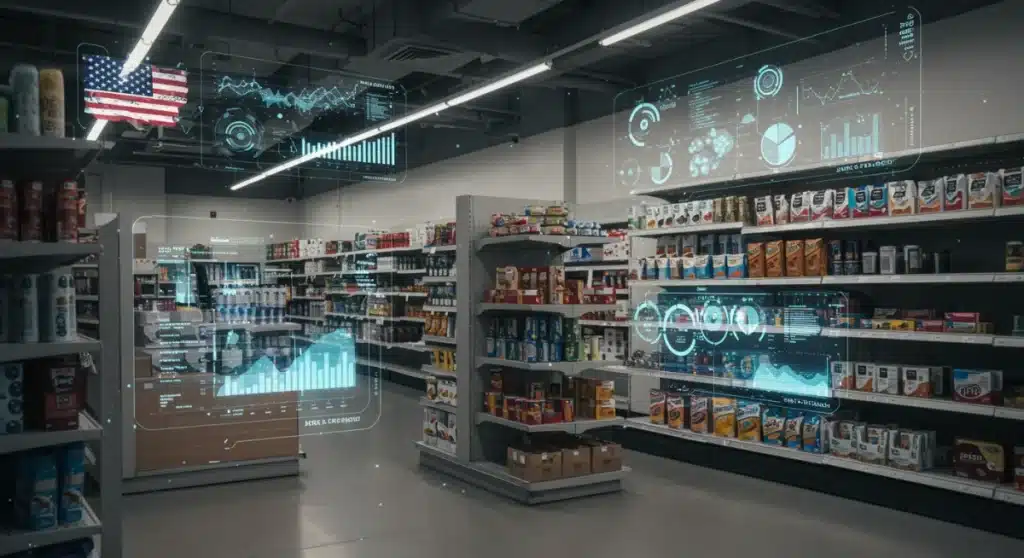
By 2025, leveraging AI for predictive analytics is projected to boost US retail sales by 15%, transforming operational efficiencies and customer engagement through data-driven insights and strategic implementations.
The landscape of US retail is undergoing a profound transformation, driven by technological advancements that redefine how businesses operate and interact with consumers. At the forefront of this evolution is artificial intelligence (AI), particularly its application in predictive analytics. This article delves into how AI predictive analytics retail is poised to deliver a remarkable 15% sales growth by 2025, offering a comprehensive look at the strategies, opportunities, and challenges retailers face.
The Dawn of Data-Driven Retail: Understanding AI Predictive Analytics
AI predictive analytics in retail involves using advanced algorithms and machine learning models to analyze vast datasets and forecast future trends, behaviors, and outcomes. This capability moves retailers beyond reactive strategies, enabling them to anticipate market shifts, customer needs, and operational demands with unprecedented accuracy. The integration of AI transforms raw data into actionable intelligence, empowering businesses to make smarter, more profitable decisions.
Historically, retail decisions were often based on intuition or historical data that offered limited foresight. Today, AI changes this paradigm by identifying subtle patterns and correlations that human analysts might miss. This deeper understanding allows for more precise inventory management, personalized marketing campaigns, and optimized pricing strategies, all contributing to enhanced customer satisfaction and, crucially, increased sales.
From Reactive to Proactive: The AI Shift
- Anticipating Demand: AI models analyze past sales data, seasonality, promotions, and external factors like weather or economic indicators to predict future demand for specific products.
- Personalized Experiences: By understanding individual customer preferences and purchasing habits, AI helps retailers tailor product recommendations, offers, and communications.
- Supply Chain Optimization: Predictive insights aid in managing inventory levels, reducing stockouts and overstock, and optimizing logistics for greater efficiency.
The shift from reactive to proactive operations is not merely an incremental improvement; it is a fundamental change in how retail businesses function. This foresight minimizes risks and capitalizes on emerging opportunities, making AI predictive analytics an indispensable tool for achieving significant sales growth in a competitive market. The ability to predict rather than react is the cornerstone of modern retail success.
Key Drivers of 15% Sales Growth by 2025
Achieving a 15% sales growth in US retail by 2025 through AI predictive analytics is an ambitious yet attainable goal, underpinned by several critical drivers. These drivers harness AI’s power to refine every aspect of the retail value chain, from customer interaction to operational efficiency. Understanding these mechanisms is essential for retailers aiming to capitalize on this transformative technology.
One primary driver is the unparalleled ability of AI to personalize the customer journey. By analyzing vast amounts of customer data—including browsing history, purchase patterns, demographic information, and even social media activity—AI can create highly individualized shopping experiences. This personalization extends beyond simple product recommendations to include tailored promotions, dynamic pricing, and customized content, fostering deeper customer engagement and loyalty.
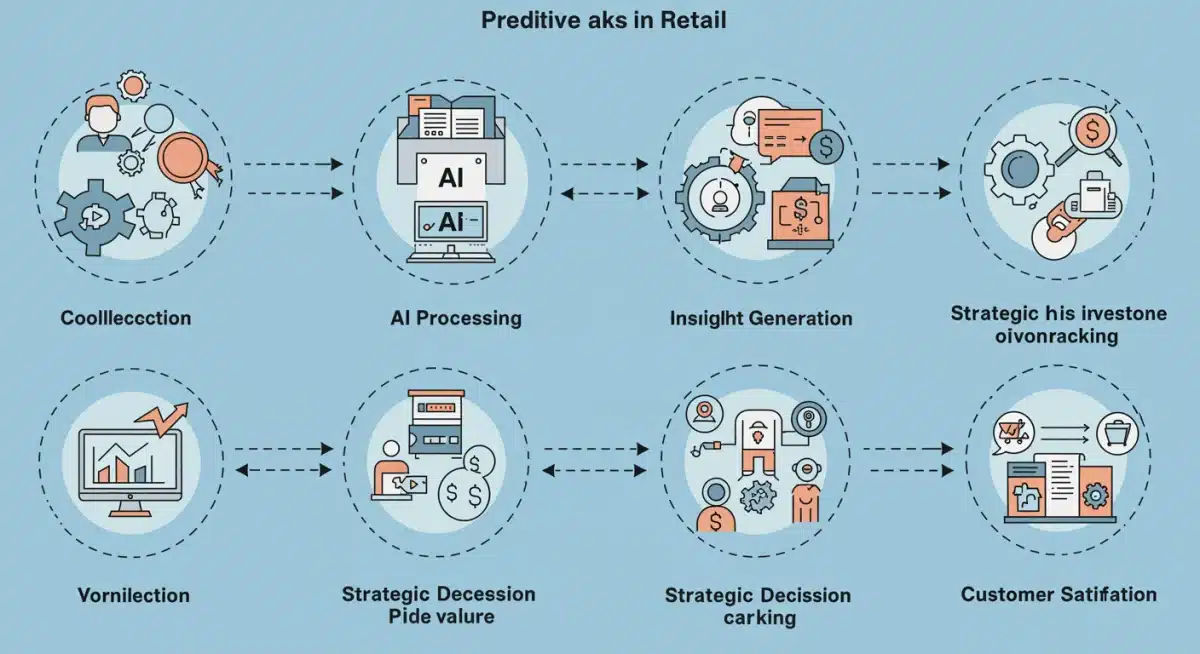
Another significant driver is the optimization of inventory and supply chain management. AI predictive models can forecast demand with remarkable accuracy, allowing retailers to maintain optimal stock levels, reduce waste, and prevent stockouts. This efficiency not only saves costs but also ensures that products are available when and where customers want them, directly impacting sales. Furthermore, AI can identify potential disruptions in the supply chain, enabling proactive measures to mitigate risks.
Enhanced Customer Personalization
- Dynamic Product Recommendations: AI suggests products based on real-time behavior and historical data.
- Targeted Marketing Campaigns: Campaigns are optimized for specific customer segments, improving conversion rates.
- Personalized Pricing: Offers are dynamically adjusted to maximize individual customer value and willingness to pay.
Operational efficiency is also a major contributor to sales growth. AI can optimize store layouts, staff scheduling, and even energy consumption, reducing overheads and improving the overall shopping experience. By automating routine tasks and providing real-time insights, AI frees up human employees to focus on more complex, value-added activities, such as direct customer service, which can significantly boost sales performance.
These combined factors—hyper-personalization, optimized operations, and efficient inventory management—create a synergistic effect that propels sales growth. Retailers who strategically implement AI predictive analytics across these areas will be best positioned to achieve and even exceed the 15% growth target by 2025.
Implementing AI: Strategies for US Retailers
For US retailers to effectively leverage AI for predictive analytics and achieve substantial sales growth, a well-defined implementation strategy is paramount. It’s not enough to simply adopt AI tools; success hinges on integrating these technologies seamlessly into existing operations and fostering a data-driven culture. This requires a multi-faceted approach that addresses technology, talent, and processes.
The initial step involves establishing a robust data infrastructure. AI models are only as good as the data they process. Retailers must ensure they collect high-quality, comprehensive data from all touchpoints, including online sales, in-store purchases, customer interactions, and external market trends. This data needs to be cleaned, structured, and made accessible for AI analysis, often requiring significant investment in data warehousing and integration platforms.
Building a Data-Driven Foundation
- Data Centralization: Consolidate data from various sources into a unified platform.
- Data Quality: Implement processes to ensure data accuracy, consistency, and completeness.
- Scalable Infrastructure: Invest in cloud-based solutions capable of handling large volumes of data and complex AI computations.
Beyond technology, cultivating the right talent is crucial. Retailers need data scientists, AI engineers, and business analysts who can develop, deploy, and interpret AI models. Furthermore, educating existing staff on the capabilities and benefits of AI helps foster adoption and ensures that insights generated by AI are effectively utilized across the organization. Training programs and cross-functional teams can facilitate this knowledge transfer.
Finally, a phased implementation approach is often most effective. Retailers can start with pilot projects focusing on specific areas, such as personalized recommendations or demand forecasting for a particular product category. Learning from these initial deployments allows for iterative refinement and scaling of AI solutions across the entire business. This strategic, measured approach minimizes disruption and maximizes the return on AI investments.
Challenges and Considerations in AI Adoption
While the promise of AI predictive analytics in US retail is immense, its adoption is not without significant challenges. Retailers must navigate a complex landscape of technological, ethical, and organizational hurdles to fully realize the benefits of AI. Addressing these considerations proactively is vital for successful implementation and sustainable sales growth.
One of the primary challenges is data privacy and security. AI models often rely on vast amounts of personal customer data, raising concerns about how this information is collected, stored, and used. Retailers must adhere to stringent data protection regulations, such as CCPA, and implement robust cybersecurity measures to safeguard sensitive data. Transparency with customers about data usage builds trust and mitigates potential backlash.
Another key consideration is the cost of implementation and maintenance. Developing and deploying sophisticated AI systems requires substantial investment in technology, infrastructure, and specialized talent. Furthermore, AI models need continuous monitoring, updating, and recalibration to remain accurate and relevant, which adds to ongoing operational costs. Retailers must carefully evaluate the return on investment and allocate resources strategically.
Overcoming AI Adoption Hurdles
- Data Governance: Establish clear policies for data collection, usage, and retention to ensure compliance and privacy.
- Talent Gap: Address the shortage of AI expertise through hiring, training, and partnerships with external specialists.
- Integration Complexity: Ensure new AI systems integrate seamlessly with legacy IT infrastructure to avoid operational silos.
The “black box” nature of some AI algorithms can also be a challenge. Understanding how AI arrives at its predictions is crucial for building trust and ensuring accountability, especially in critical decision-making processes. Retailers need to prioritize explainable AI (XAI) solutions that provide transparency into their workings. Moreover, managing the cultural shift within an organization, where employees may be resistant to new technologies or fear job displacement, requires thoughtful change management strategies and clear communication about AI’s role as an enabler, not a replacement.
Future Trends: Beyond 2025 for AI in Retail
As US retail moves beyond 2025, the evolution of AI predictive analytics promises even more sophisticated and integrated applications. The current focus on a 15% sales growth is merely a stepping stone towards a future where AI is not just a tool but an intrinsic part of the retail ecosystem. Understanding these emerging trends will help retailers stay ahead of the curve and maintain a competitive edge.
One major trend is the increasing integration of AI with other cutting-edge technologies like augmented reality (AR) and virtual reality (VR). Imagine customers trying on clothes virtually with AI-powered recommendations, or navigating smart stores where AI guides them to products based on real-time preferences and inventory. This convergence will create immersive and highly personalized shopping experiences, blurring the lines between physical and digital retail.
Another significant development will be the rise of autonomous retail operations. AI-powered robots and drones could handle inventory management, shelf stocking, and even last-mile delivery, reducing labor costs and improving efficiency. Predictive maintenance for store equipment, guided by AI, will minimize downtime and ensure seamless operations. This level of automation will free human employees to focus on complex customer service and strategic tasks.
Emerging AI Retail Innovations
- Hyper-Personalized Stores: Physical stores will adapt in real-time to individual customer profiles as they enter.
- Proactive Customer Service: AI will anticipate customer needs and issues, offering solutions before problems arise.
- Ethical AI Frameworks: Increased focus on explainable, fair, and transparent AI to build consumer trust.
The adoption of ethical AI frameworks will also become paramount. As AI becomes more pervasive, concerns around data bias, algorithmic fairness, and privacy will intensify. Retailers will need to prioritize the development and deployment of AI systems that are not only efficient but also transparent, accountable, and designed with societal well-being in mind. This commitment to ethical AI will be a differentiator, building stronger brand loyalty and trust in an increasingly data-driven world.
Measuring Success: KPIs for AI-Driven Growth
To truly ascertain the impact of AI predictive analytics on US retail, it is essential to establish clear Key Performance Indicators (KPIs) that accurately measure growth and efficiency. Simply aiming for a 15% sales increase is not enough; retailers must track specific metrics that demonstrate how AI is contributing to this goal across various facets of the business. This data-driven approach ensures continuous optimization and validates AI investments.
Direct sales growth is, of course, a primary KPI. This includes overall revenue increase, average transaction value, and conversion rates, all of which should show a positive trend attributable to AI-driven strategies. However, it’s crucial to disaggregate these metrics to understand which AI applications are yielding the most significant returns. For instance, comparing sales figures from AI-personalized campaigns versus generic promotions can highlight the effectiveness of personalization.
Essential KPIs for AI Impact
- Customer Lifetime Value (CLTV): AI’s ability to foster loyalty and repeat purchases directly impacts CLTV.
- Inventory Turnover Rate: Improved demand forecasting should lead to more efficient stock movement and reduced holding costs.
- Customer Churn Rate: Predictive analytics can identify at-risk customers, allowing for proactive retention efforts.
Beyond direct sales, operational efficiency metrics are equally vital. These include reductions in inventory waste, optimized supply chain costs, and improved labor utilization. For example, a lower percentage of out-of-stock items or a decrease in logistics expenses directly contributes to profitability and indirectly boosts sales by ensuring product availability. Customer satisfaction scores, often measured through Net Promoter Score (NPS) or customer feedback, also serve as a crucial indicator, as happy customers are more likely to make repeat purchases and recommend the brand.
Ultimately, the success of AI predictive analytics is multifaceted. It’s not just about the top-line revenue but also about creating a more efficient, customer-centric, and resilient retail operation. By continuously monitoring a comprehensive set of KPIs, retailers can refine their AI strategies, ensuring they are always aligned with business objectives and driving sustainable, profitable growth.
| Key Aspect | Brief Description |
|---|---|
| Sales Growth Target | 15% increase in US retail sales by 2025, driven by AI predictive analytics. |
| Core AI Function | Utilizing algorithms to forecast trends, customer behavior, and optimize operations. |
| Key Implementation | Personalized marketing, optimized inventory, and efficient supply chain management. |
| Future Outlook | Integration with AR/VR, autonomous operations, and ethical AI frameworks. |
Frequently Asked Questions About AI in Retail
AI predictive analytics in US retail involves using artificial intelligence to analyze retail data and forecast future customer behavior, market trends, and operational needs. This allows retailers to make proactive decisions on inventory, pricing, and marketing, driving efficiency and sales growth.
AI can boost retail sales by enhancing personalization for customers, optimizing inventory management to reduce waste and stockouts, and streamlining supply chain operations. These improvements lead to better customer experiences, reduced costs, and increased revenue through data-driven strategies.
Key challenges include ensuring data privacy and security, substantial upfront investment costs, integrating AI with existing legacy systems, and addressing the talent gap for AI specialists. Overcoming these requires strategic planning and a focus on data governance.
Retailers should track KPIs such as overall sales growth, average transaction value, customer lifetime value, inventory turnover rate, and customer churn rate. Operational efficiency metrics like supply chain costs and customer satisfaction scores are also crucial indicators.
Beyond 2025, expect deeper integration of AI with AR/VR for immersive shopping, autonomous retail operations through robotics, and a greater emphasis on ethical AI frameworks to ensure transparency and fairness in AI applications.
Conclusion
The journey towards leveraging AI for predictive analytics in US retail is not just about adopting new technologies; it’s about fundamentally reshaping how businesses understand and engage with their markets. The projected 15% sales growth by 2025 underscores the immense potential of AI to drive efficiency, personalize customer experiences, and unlock new revenue streams. While challenges related to data, cost, and talent persist, strategic implementation and a forward-thinking approach will enable retailers to overcome these hurdles. As AI continues to evolve, its role in retail will only deepen, promising a future of hyper-personalized, ultra-efficient, and ethically driven commerce. Retailers who embrace this transformation will not only achieve significant growth but also redefine the very essence of modern shopping.