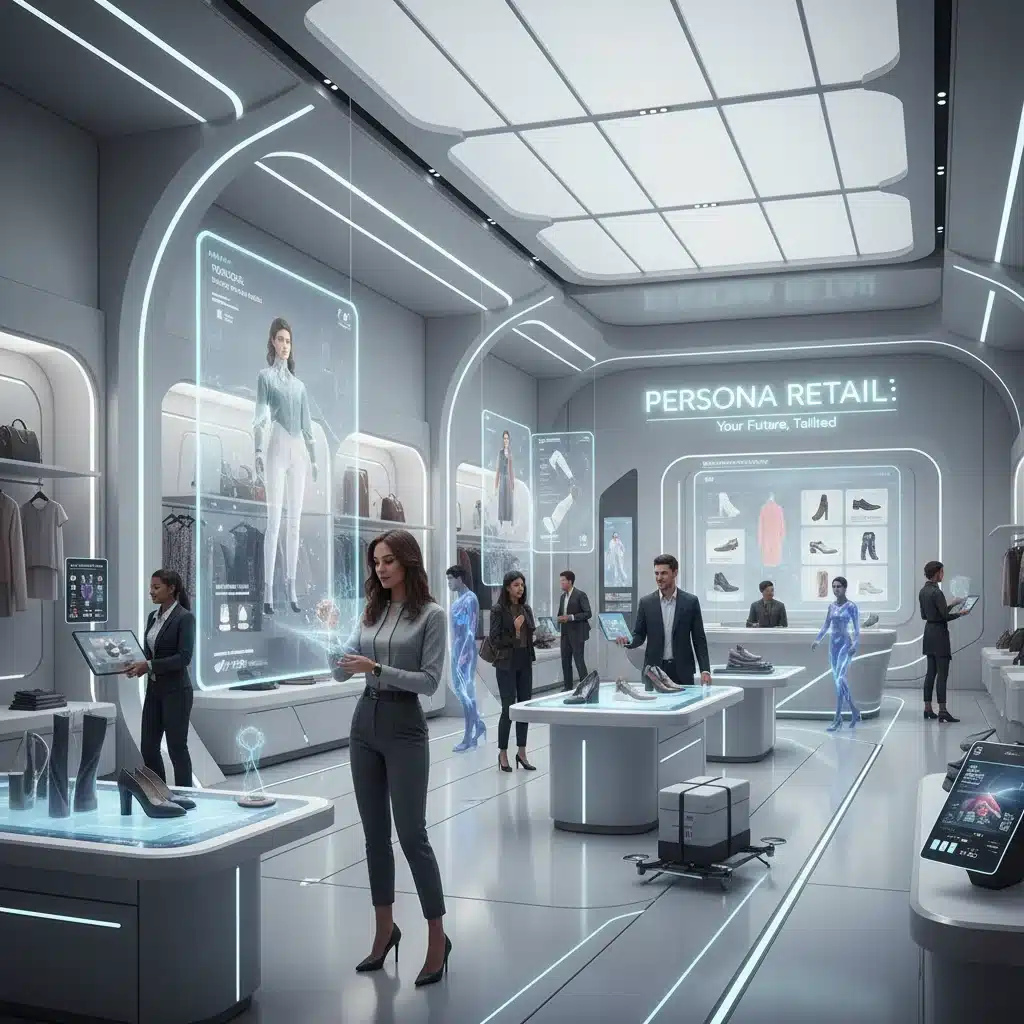
The Rise of AI in US Retail: How Early Adopters are Gaining a 20% Edge in Customer Personalization by Mid-2026
The retail landscape in the United States is undergoing a profound transformation, driven by the relentless march of artificial intelligence (AI). In an increasingly competitive market, where consumer expectations are at an all-time high, the ability to deliver hyper-personalized experiences has become the ultimate differentiator. Retailers who are embracing AI early are not just staying afloat; they are surging ahead, projected to gain a remarkable 20% edge in customer personalization by mid-2026. This isn’t merely a prediction; it’s a strategic imperative for survival and growth in the modern retail era. The core of this revolution lies in leveraging AI to understand, predict, and cater to individual customer needs with unprecedented precision, fundamentally reshaping how businesses interact with their clientele.
For decades, retail personalization was a rudimentary affair, often limited to loyalty programs and generic email blasts. Today, thanks to advancements in machine learning, natural language processing, and big data analytics, AI retail personalization has evolved into a sophisticated science. It allows retailers to move beyond demographic segmentation to truly individualize the customer journey, from initial product discovery to post-purchase support. This article will delve into the multifaceted ways AI is achieving this, explore the tangible benefits for early adopters, and provide a roadmap for retailers looking to capitalize on this transformative technology.
Understanding the Core of AI Retail Personalization
At its heart, AI retail personalization is about using intelligent algorithms to collect, analyze, and interpret vast amounts of customer data to deliver relevant and timely interactions. This data can range from browsing history and purchase patterns to social media activity, location data, and even emotional responses captured through sentiment analysis. The sheer volume and velocity of this data would be impossible for human analysts to process effectively, making AI an indispensable tool. AI algorithms can identify subtle patterns and correlations that human beings might miss, enabling a deeper understanding of customer preferences, behaviors, and even future needs.
The Data-Driven Foundation
The first step in effective AI personalization is robust data collection. This involves integrating data from various touchpoints: e-commerce platforms, brick-and-mortar POS systems, CRM databases, mobile apps, social media, and third-party data providers. Once collected, this raw data needs to be cleaned, structured, and enriched to be useful for AI models. This often involves sophisticated data warehousing and data lake solutions, allowing for a unified view of each customer.
Machine Learning: The Brains Behind Personalization
Machine learning (ML) algorithms are the engine of AI retail personalization. They power various applications, including:
- Recommendation Engines: Perhaps the most visible application, these algorithms suggest products based on past purchases, browsing history, items viewed by similar customers, and real-time behavior. Think of Amazon’s ‘Customers who bought this also bought…’ or Netflix’s personalized movie suggestions.
- Predictive Analytics: AI can predict future customer behavior, such as churn risk, likelihood of purchase, and preferred product categories. This allows retailers to proactively engage with customers, offering incentives or tailored communications before they even realize they need them.
- Dynamic Pricing: AI algorithms can adjust product prices in real-time based on demand, inventory levels, competitor pricing, and individual customer price sensitivity, maximizing revenue and perceived value.
- Personalized Marketing & Content: AI crafts individualized marketing messages, email content, website layouts, and even ad placements, ensuring that each customer sees content most relevant to them.
- Customer Service Automation: AI-powered chatbots and virtual assistants provide instant, personalized support, answering queries, guiding purchases, and resolving issues, often learning and improving with each interaction.
The 20% Edge: Tangible Benefits for Early Adopters
The projected 20% edge in customer personalization by mid-2026 for early AI adopters is not an arbitrary number; it’s a reflection of the significant, measurable improvements these technologies bring across various key performance indicators (KPIs). This competitive advantage translates directly into enhanced profitability, stronger brand loyalty, and a more resilient market position.
Increased Customer Lifetime Value (CLTV)
By understanding and anticipating customer needs, AI enables retailers to foster deeper, more meaningful relationships. Personalized recommendations and tailored offers lead to higher average order values (AOV) and more frequent purchases. When customers feel understood and valued, they are more likely to return, increasing their overall CLTV. This long-term relationship building is a cornerstone of sustainable growth, moving beyond transactional interactions to genuine customer advocacy.
Higher Conversion Rates
Personalized experiences remove friction from the buying journey. When customers are presented with products they genuinely want or need, the likelihood of conversion skyrockets. AI-driven product discovery, dynamic content, and targeted promotions guide customers effortlessly towards purchase, reducing bounce rates and abandoned carts. This efficiency in the sales funnel is a direct contributor to the 20% edge, making every customer interaction more productive.
Enhanced Customer Satisfaction and Loyalty
In an age of endless choices, convenience and relevance are paramount. AI retail personalization delivers both. Customers appreciate experiences that feel tailor-made for them, leading to higher satisfaction levels. Satisfied customers are more likely to become loyal brand advocates, spreading positive word-of-mouth and contributing to organic growth. This emotional connection built through personalization is incredibly powerful, creating a barrier to competition and fostering a dedicated customer base.
Optimized Inventory Management
While often overlooked in personalization discussions, AI’s ability to predict demand at a granular level significantly impacts inventory. By understanding what specific customer segments are likely to buy, and when and where, retailers can optimize inventory levels, reduce waste, minimize stockouts, and improve supply chain efficiency. This not only saves costs but also ensures that personalized recommendations can actually be fulfilled, enhancing the customer experience.
Reduced Marketing Spend and Improved ROI
Generic marketing campaigns are often inefficient, wasting resources on uninterested audiences. AI allows for hyper-targeted advertising and content delivery, ensuring that marketing messages reach the right person at the right time through the right channel. This precision dramatically improves the return on investment (ROI) for marketing efforts, freeing up budget for other strategic initiatives and contributing to the overall competitive advantage.
Key Areas of AI Implementation for Personalization
The application of AI in retail personalization is broad and continually expanding. Here are some of the critical areas where early adopters are making significant strides:
1. Hyper-Personalized Product Recommendations
Beyond simple ‘you might also like’ suggestions, advanced AI systems create intricate customer profiles based on explicit feedback, implicit behaviors, and even external data points. These profiles enable recommendations that are highly contextual, considering factors like time of day, weather, current trends, and even the customer’s mood (inferred from browsing patterns or sentiment analysis). This level of detail ensures that recommendations feel less like advertisements and more like helpful suggestions from a trusted friend.
2. Dynamic Website and App Experiences
No two visitors to an AI-powered retail website or app will see the exact same experience. AI dynamically adjusts page layouts, hero images, product placements, promotions, and even navigation paths based on individual user profiles. For instance, a first-time visitor might see a general welcome and best-sellers, while a returning customer who frequently buys electronics might immediately see deals on new gadgets and accessories. This adaptive interface maximizes relevance and engagement.

3. Personalized Email and SMS Campaigns
Gone are the days of one-size-fits-all email newsletters. AI segments email lists into micro-groups, or even individual customers, sending highly tailored messages. This includes personalized product alerts, abandoned cart reminders with specific incentives, birthday discounts, re-engagement campaigns based on inactivity, and content recommendations (e.g., blog posts about products they’ve shown interest in). The timing of these communications is also optimized by AI to maximize open and click-through rates.
4. AI-Powered Chatbots and Virtual Assistants
Customer service is a crucial touchpoint for personalization. AI-driven chatbots and virtual assistants can handle a vast array of customer inquiries, from tracking orders and processing returns to providing product information and personalized styling advice. These bots learn from each interaction, improving their ability to understand natural language and provide accurate, empathetic responses. This not only enhances customer satisfaction but also frees up human agents to handle more complex issues, leading to more efficient operations.
5. In-Store Personalization with AI
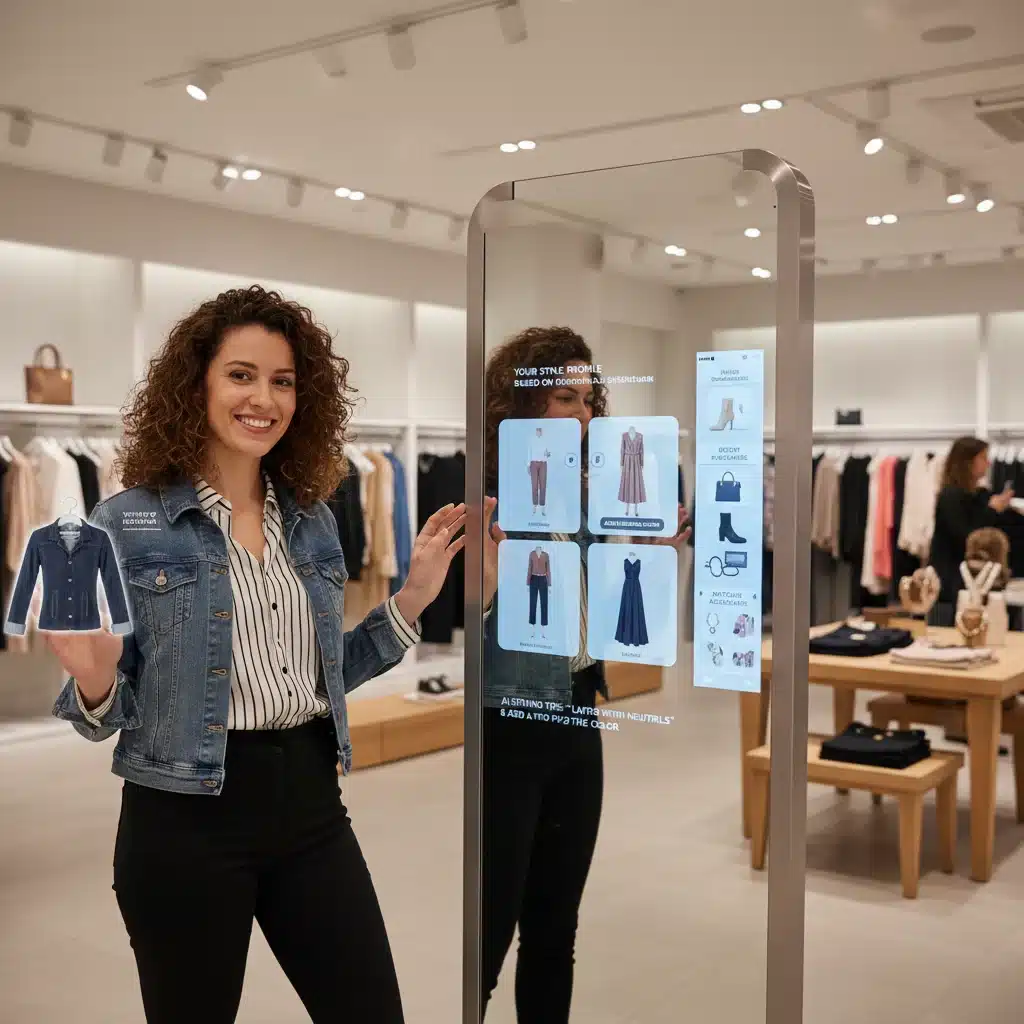
While often associated with e-commerce, AI retail personalization is increasingly making its way into physical stores. Technologies like smart mirrors, RFID tags, facial recognition (with consent), and location-based services allow retailers to extend personalized experiences offline. Imagine a smart mirror suggesting outfits based on your body type and past purchases, or receiving a notification on your phone about a discount on an item you’ve previously viewed online as you walk past it in a store. These integrations create a seamless omnichannel experience, blurring the lines between digital and physical retail.
6. Predictive Personalization and Proactive Engagement
The most advanced forms of AI personalization are predictive and proactive. Instead of reacting to customer behavior, AI anticipates it. This includes predicting when a customer might be ready for a repurchase, identifying potential churn risks, or even suggesting complementary products for future needs. Retailers can then initiate targeted campaigns or interventions to retain customers, cross-sell, or up-sell effectively, often before the customer even realizes their own need.
Challenges and Considerations for AI Adoption
While the benefits are clear, implementing AI retail personalization is not without its challenges. Retailers must navigate several critical considerations to successfully integrate AI into their operations:
Data Privacy and Ethics
Collecting and utilizing customer data comes with significant responsibilities. Retailers must be transparent about their data practices, comply with regulations like CCPA and GDPR, and ensure robust cybersecurity measures. Ethical AI use means respecting customer privacy, avoiding discriminatory algorithms, and building trust. A breach of trust can quickly erode any gains from personalization.
Data Quality and Integration
AI models are only as good as the data they’re fed. Poor data quality, inconsistencies, or fragmented data sources can lead to inaccurate predictions and ineffective personalization. Retailers need to invest in data governance, data cleansing, and robust integration strategies to create a unified, high-quality data foundation.
Talent and Expertise
Deploying and managing AI solutions requires specialized skills in data science, machine learning engineering, and AI ethics. Many retailers may lack this in-house expertise and will need to invest in training, recruitment, or partnerships with AI solution providers.
Scalability and Infrastructure
AI personalization requires significant computational power and scalable infrastructure to process vast datasets and run complex algorithms in real-time. Cloud-based solutions often provide the necessary flexibility and scalability, but careful planning and investment are essential.
Measuring ROI and Iteration
Defining clear KPIs and continuously measuring the ROI of AI personalization initiatives is crucial. Retailers need to be prepared to iterate, test different models, and refine their strategies based on performance data. AI is not a ‘set it and forget it’ solution; it requires ongoing optimization.
The Future of AI Retail Personalization
Looking beyond mid-2026, the future of AI retail personalization promises even more sophisticated and seamless experiences. We can anticipate:
- Emotion AI: Algorithms capable of detecting customer emotions through voice, facial expressions, or even text, allowing for more empathetic and finely tuned interactions.
- Generative AI for Content Creation: AI generating personalized product descriptions, marketing copy, and even visual content on the fly, tailored to individual preferences.
- Hyper-Contextual Commerce: AI integrating even more real-world context – such as current events, local happenings, personal calendar entries (with permission) – to make recommendations incredibly relevant.
- Proactive Problem Solving: AI not just predicting purchases but also anticipating and resolving potential customer issues before they even arise, such as suggesting alternative products if a preferred item is likely to be out of stock soon.
- Ethical AI Frameworks: Increased focus on developing and implementing robust ethical AI guidelines and frameworks to ensure fair, transparent, and privacy-preserving personalization.
Strategies for Retailers to Adopt AI Personalization
For retailers eager to join the ranks of early adopters and gain that 20% edge, here’s a strategic roadmap:
- Start Small, Think Big: Begin with a pilot project in a specific area, such as optimizing email campaigns or implementing a basic recommendation engine. Learn from these initial successes and failures before scaling up.
- Invest in Data Infrastructure: Prioritize building a robust, integrated, and clean data foundation. This is the bedrock upon which all effective AI personalization is built.
- Cultivate AI Talent: Either hire data scientists and ML engineers, upskill existing employees, or partner with specialized AI vendors. Access to expertise is non-negotiable.
- Focus on Customer Value: Ensure that every AI personalization initiative is designed to genuinely add value to the customer experience, not just to boost sales. Authenticity builds trust.
- Embrace an Iterative Approach: AI is a journey, not a destination. Continuously monitor performance, gather feedback, and be prepared to refine models and strategies.
- Prioritize Privacy and Transparency: Be upfront with customers about data collection and usage. Implement strong security measures and adhere to all relevant data protection regulations.
- Foster Cross-Functional Collaboration: AI personalization isn’t just an IT project. It requires collaboration across marketing, sales, customer service, and operations to be truly effective.
Conclusion
The imperative for US retailers to embrace AI retail personalization is clearer than ever. The projected 20% edge in customer personalization by mid-2026 for early adopters underscores the significant competitive advantage that intelligent, data-driven strategies can provide. This isn’t just about technological advancement; it’s about fundamentally rethinking the customer relationship, moving from mass marketing to individual engagement. Retailers who invest in AI now will not only meet the evolving expectations of today’s consumers but will also build a resilient, future-proof business model capable of thriving in an increasingly personalized world. The future of retail is personal, and AI is the key to unlocking its full potential.