
Social Commerce: Boost US Retail by 15% with 3 Key Platforms
Social commerce is poised to revolutionize US retail, with strategic adoption of key platforms like Facebook, Instagram, and TikTok projected to increase sales by 15% by 2025. This shift demands innovative approaches to customer engagement and direct-to-consumer sales.
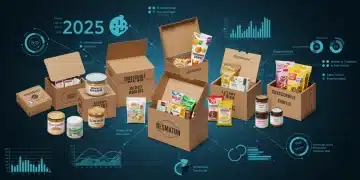
Subscription Box Models: 2025 Market Shift & New Entrants
The subscription box market is undergoing a significant transformation in 2025, driven by evolving consumer demands and technological advancements, leading to the emergence of innovative models and disruptive new entrants across the US.

DTC Brands: 30% Market Share Increase in US Niches by 2025
Direct-to-Consumer (DTC) brands are rapidly expanding, projected to achieve a significant 30% market share increase in specific US niches by 2025, revolutionizing traditional retail through direct customer relationships and agile business models.

BNPL’s Surge: 12% of US Transactions by 2025
Buy Now, Pay Later (BNPL) is poised to become a significant force in the US payment ecosystem, with projections indicating it will constitute 12% of all transactions by 2025, driven by consumer demand for flexible financing and merchant adoption.

Sustainable Practices: Market Disruptors & US Consumer Behavior in 2025
By 2025, 15% of US consumers will prioritize eco-friendly brands, positioning sustainable practices as market disruptors that redefine industry standards and consumer expectations.

AI-Powered Logistics: Disrupting US Supply Chains for Retailers by 2025
AI-powered logistics are poised to dramatically disrupt US supply chains by 2025, promising retailers an impressive 15% efficiency boost through optimized operations, predictive analytics, and enhanced decision-making capabilities.

Hyper-Personalized Commerce: 20% Higher Customer Retention by 2025
Hyper-personalized commerce is poised to revolutionize the retail sector by leveraging advanced data analytics and AI to deliver bespoke customer experiences, predicted to increase customer retention by 20% by 2025.

Micro-Fulfillment Centers: 20% Faster Delivery in Urban US by 2025
Micro-fulfillment centers are rapidly emerging as a critical solution for accelerating urban e-commerce delivery in the US, projected to achieve 20% faster delivery speeds by 2025 through localized inventory and automated processes.
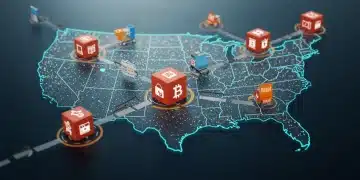
Blockchain in Retail: US Companies Boost Supply Chain Transparency by 25% by 2025
US retail companies are rapidly adopting blockchain technology to revolutionize their supply chains, aiming for a 25% increase in transparency by 2025. This strategic shift promises enhanced traceability, reduced fraud, and greater consumer trust, fundamentally reshaping the industry landscape.
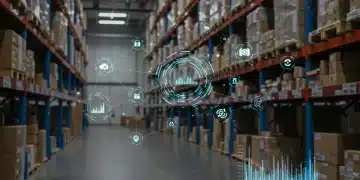
Predictive Analytics for Inventory Management: 18% Stockout Reduction by 2025
By leveraging advanced data analysis, predictive analytics for inventory management is crucial for businesses aiming to reduce stockouts by 18% by 2025, optimizing efficiency and customer satisfaction.