Circular Economy Drives 7% Revenue Growth for US Brands by 2025
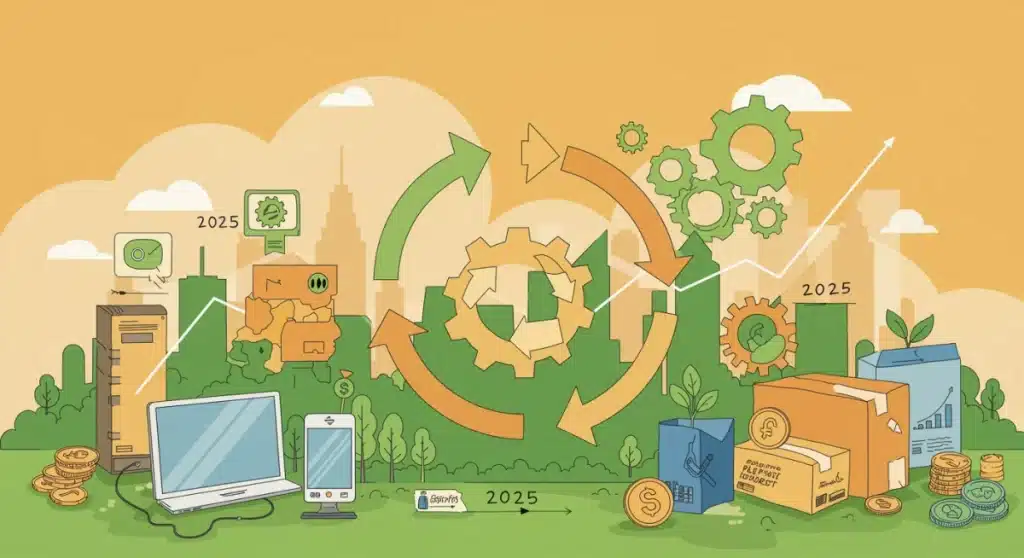
The circular economy is poised to generate a substantial 7% revenue growth for US consumer goods brands by 2025, fundamentally reshaping traditional linear consumption models towards sustainable and resource-efficient practices.
The global business landscape is witnessing a profound transformation, with sustainability moving from a niche concern to a core strategic imperative. For US consumer goods brands, this shift is particularly potent, as the circular economy revenue growth model promises not just environmental benefits but also significant financial gains, projected to drive 7% revenue growth by 2025. This isn’t merely a trend; it’s a fundamental re-evaluation of how products are designed, produced, consumed, and ultimately, valued.
Understanding the Circular Economy in Consumer Goods
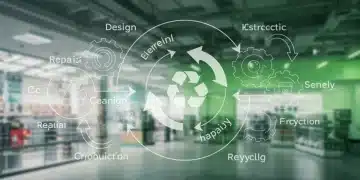
The circular economy represents a paradigm shift from the traditional linear ‘take-make-dispose’ model. Instead, it advocates for keeping resources in use for as long as possible, extracting the maximum value from them while in use, then recovering and regenerating products and materials at the end of each service life. This concept is particularly relevant for consumer goods, an industry historically characterized by rapid consumption and significant waste generation.
For consumer goods brands, embracing circularity means reimagining their entire value chain. It involves designing products for durability, reusability, and recyclability from the outset. This proactive approach minimizes waste, reduces reliance on virgin resources, and often leads to innovative product offerings that resonate with environmentally conscious consumers. The goal is to create a closed-loop system where materials are continuously circulated, retaining their value and reducing environmental impact.
Key Principles of Circularity
- Design Out Waste and Pollution: Products are conceived to prevent waste generation, making materials easy to disassemble and process for reuse or recycling.
- Keep Products and Materials in Use: Emphasizes repair, reuse, refurbishment, and remanufacturing over single-use consumption.
- Regenerate Natural Systems: Aims to return biological materials to the earth safely and recover technical materials for continuous cycling.
These principles guide brands in developing more sustainable business practices that can lead to enhanced brand reputation, operational efficiencies, and new revenue streams. The transition is complex but offers a clear path to long-term resilience and profitability in an increasingly resource-constrained world.
In conclusion, the circular economy is more than just recycling; it’s a holistic approach to economic activity that prioritizes resource efficiency and waste reduction. For consumer goods, this translates into a strategic framework for innovation and sustainable growth, allowing brands to redefine their relationship with both resources and consumers.
Strategic Pillars for Revenue Growth
Achieving a 7% revenue growth through the circular economy requires a multi-faceted strategy, built upon several key pillars that redefine how consumer goods brands operate. These pillars encompass innovation in product design, the adoption of new business models, and a deep understanding of evolving consumer demands.
One primary pillar is the shift towards product-as-a-service (PaaS) models. Instead of selling a product outright, companies offer access to the product or its function, often retaining ownership. This encourages brands to design for longevity and repairability, as their revenue is tied to the product’s continuous use. Examples include subscription services for clothing, tool rentals, or refillable packaging systems, all of which extend product lifecycles and reduce waste.
Innovation in Material and Design
Another critical pillar involves pioneering sustainable materials and intelligent design. Brands are investing in research and development to create products from recycled content, bio-based materials, or materials that are easily compostable or recyclable. This also extends to packaging, with a strong focus on reducing plastic use and adopting reusable or returnable solutions.
- Eco-design: Designing products for disassembly, repair, and recycling from the initial concept phase.
- Alternative Materials: Utilizing recycled plastics, plant-based polymers, or other renewable resources.
- Packaging Innovation: Developing refillable, reusable, or compostable packaging to minimize waste.
These innovations not only reduce environmental impact but also create unique selling propositions, attracting a growing segment of consumers who prioritize sustainable choices. The ability to differentiate through eco-friendly products and practices is a powerful driver of revenue and market share.
Ultimately, these strategic pillars collectively form a robust framework for consumer goods brands to not only meet sustainability goals but also unlock significant economic opportunities. By integrating circular principles into their core business strategies, companies can foster loyalty, attract new customers, and secure a competitive edge in a rapidly changing market.
Consumer Demand and Market Shifts
The projected 7% revenue growth for US consumer goods brands by 2025, fueled by the circular economy, is inextricably linked to fundamental shifts in consumer behavior and market dynamics. Modern consumers, particularly younger generations, are increasingly prioritizing sustainability, transparency, and ethical practices when making purchasing decisions.
This growing awareness translates into a tangible demand for products that align with circular principles. Consumers are actively seeking out brands that offer durable goods, repair services, refill options, and take-back programs. They are willing to pay a premium for products that reduce their environmental footprint, signaling a powerful market force that brands cannot afford to ignore.
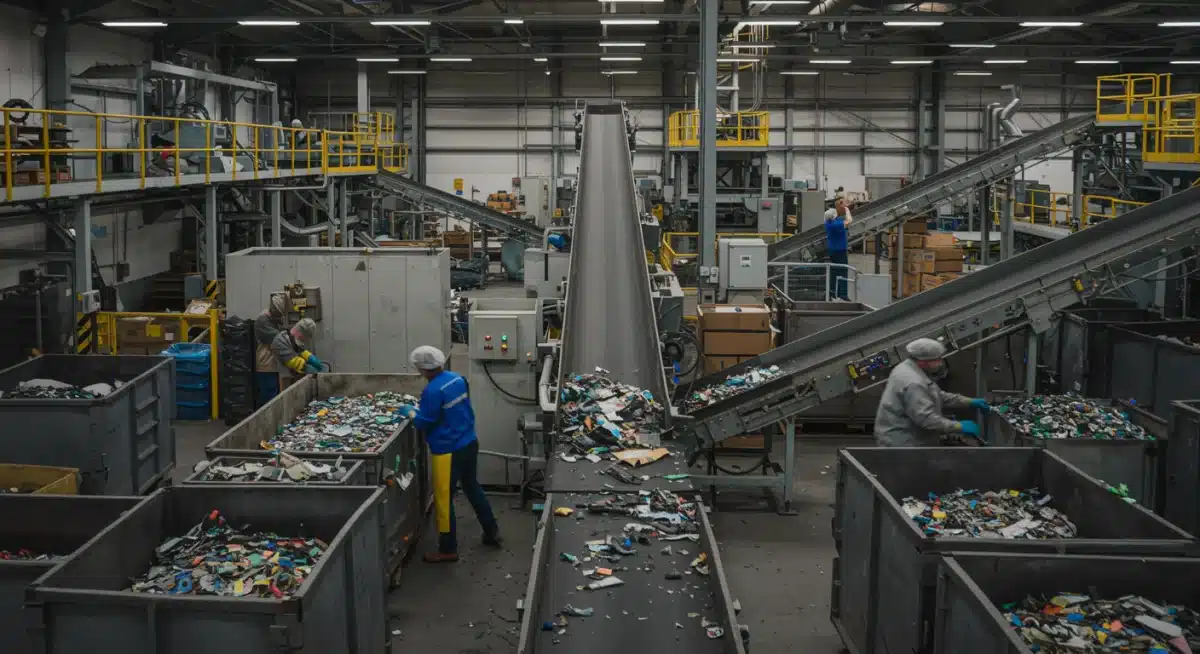
The rise of digital platforms and social media has also amplified this shift, allowing consumers to easily research a brand’s sustainability credentials and share their experiences. Brands that authentically embrace circularity gain a significant advantage in reputation and trust, leading to increased customer loyalty and advocacy.
Influencing Factors on Consumer Choices
- Environmental Concerns: Growing awareness of climate change and plastic pollution drives demand for eco-friendly products.
- Ethical Consumption: Consumers prefer brands with transparent supply chains and fair labor practices.
- Longevity and Value: A desire for products that last longer and offer better long-term value, moving away from fast fashion or disposable items.
- Digital Transparency: The ease of accessing information about a brand’s sustainability efforts influences purchasing decisions.
These factors collectively create a fertile ground for circular economy models to thrive. Brands that successfully adapt to these evolving consumer demands will not only secure their existing customer base but also attract new segments, directly contributing to their revenue growth. The market is increasingly rewarding companies that demonstrate genuine commitment to sustainability.
In essence, the consumer is becoming a powerful agent of change, driving brands towards more sustainable practices. By understanding and proactively responding to these market shifts, US consumer goods brands can strategically position themselves for enhanced revenue and sustained success within the circular economy.
Technological Innovations Enabling Circularity
The ambitious goal of 7% revenue growth for US consumer goods brands by 2025 through the circular economy is heavily reliant on a wave of technological innovations. These advancements are making it more feasible and cost-effective to implement circular practices across various stages of a product’s lifecycle, from design to end-of-life management.
Digital technologies, in particular, are playing a pivotal role. Blockchain can provide unprecedented transparency in supply chains, allowing consumers to trace a product’s journey and verify its sustainable origins. Artificial intelligence (AI) and machine learning optimize sorting and recycling processes, improving efficiency and material recovery rates. These tools help reduce waste and enhance the value of secondary materials.
Advanced Technologies Driving Circular Models
- IoT and Smart Products: Internet of Things (IoT) sensors embedded in products can monitor usage, predict maintenance needs, and facilitate product-as-a-service models.
- Digital Product Passports: Digital records containing information about a product’s materials, repair history, and recycling instructions, empowering consumers and recyclers.
- Advanced Recycling Techniques: Chemical recycling and other innovative methods can break down complex materials into their base components, expanding what can be recycled.
- Additive Manufacturing (3D Printing): Enables on-demand production, reducing waste and allowing for localized manufacturing and repair of parts.
These technological breakthroughs are not just about efficiency; they are about creating entirely new possibilities for circular business models. They allow brands to track and manage resources more effectively, extending product lifespans and facilitating closed-loop systems. This integration of technology into circular strategies is a critical enabler for revenue generation.
In summary, technology is the backbone of the modern circular economy. By leveraging innovations from AI to IoT, consumer goods brands can overcome traditional barriers to circularity, making sustainable practices both economically viable and operationally efficient. This technological edge will be crucial for achieving the projected revenue growth by 2025.
Challenges and Opportunities for US Brands
While the circular economy presents a significant opportunity for 7% revenue growth for US consumer goods brands by 2025, the transition is not without its challenges. Brands must navigate complex regulatory landscapes, invest in new infrastructure, and fundamentally rethink established business processes.
One major challenge lies in supply chain transformation. Shifting from linear to circular supply chains requires collaboration across multiple stakeholders, from material suppliers to recyclers. Establishing robust collection, sorting, and reprocessing systems for returned products and materials demands significant capital investment and logistical expertise. Furthermore, consumer education is crucial to encourage participation in return and repair programs.
Overcoming Obstacles to Circularity
The opportunities, however, often outweigh these challenges. Brands that successfully integrate circular practices can achieve substantial cost savings through reduced raw material expenses and waste disposal fees. They also gain a competitive advantage by appealing to a growing segment of environmentally conscious consumers.
- Infrastructure Development: Investing in reverse logistics and recycling facilities.
- Regulatory Compliance: Adapting to evolving environmental regulations and standards.
- Consumer Engagement: Educating and incentivizing consumers to participate in circular programs.
- Collaboration: Forming partnerships across the value chain to build circular ecosystems.
Moreover, the circular economy fosters innovation, encouraging brands to develop new products, services, and business models. This creative drive can lead to market differentiation and the discovery of untapped revenue streams. Early adopters stand to gain a significant first-mover advantage, shaping market expectations and building strong brand loyalty.
Therefore, while the path to circularity demands strategic foresight and investment, the long-term benefits in terms of revenue, brand value, and resilience are compelling. US consumer goods brands that proactively address these challenges will be well-positioned to capitalize on the vast opportunities presented by this transformative economic model.
Measuring Impact and Future Outlook
To truly achieve and sustain the projected 7% revenue growth through the circular economy by 2025, US consumer goods brands must establish robust methods for measuring their impact. This goes beyond traditional financial metrics, encompassing environmental footprint, resource efficiency, and social responsibility.
Key performance indicators (KPIs) related to material circularity, waste reduction, carbon emissions, and water usage become as important as sales figures. Brands are increasingly adopting tools like life cycle assessments (LCAs) to understand the full environmental impact of their products and identify areas for improvement. Transparent reporting of these metrics builds trust with consumers and investors, reinforcing brand value.
Forecasting the Circular Economy’s Trajectory
The future outlook for the circular economy in US consumer goods is exceptionally promising. As resources become scarcer and environmental regulations tighten, the economic imperative for circularity will only grow stronger. Innovation in materials, technology, and business models will continue to accelerate, making circular practices more accessible and profitable.
- Standardized Metrics: Development of industry-wide standards for measuring circularity.
- Policy Support: Increasing governmental incentives and regulations favoring circular models.
- Investment Growth: More venture capital and corporate investment flowing into circular economy startups.
- Global Adoption: The US market aligning with global circular economy trends, further boosting growth.
By 2025, we can expect to see mainstream adoption of circular principles across various consumer goods sectors, moving beyond niche markets. This widespread integration will not only contribute to revenue growth but also establish a more resilient, sustainable, and equitable economic system. Brands that lead this transition will define the future of commerce.
In conclusion, measuring the impact of circular initiatives is crucial for demonstrating value and guiding future strategies. The trajectory towards a circular economy for US consumer goods is clear, promising sustained growth and a more sustainable future for both businesses and the planet.
| Key Aspect | Brief Description |
|---|---|
| Revenue Growth Projection | US consumer goods brands expected to see 7% revenue growth by 2025 due to circular economy adoption. |
| Core Principles | Design out waste, keep products in use, regenerate natural systems. |
| Key Drivers | Consumer demand for sustainability, technological innovation, and new business models. |
| Challenges & Opportunities | Supply chain transformation and investment versus cost savings and market differentiation. |
Frequently Asked Questions About the Circular Economy
The circular economy is an economic system aiming to eliminate waste and pollution, circulate products and materials, and regenerate nature. Unlike the traditional linear model, it focuses on extending product lifecycles and reusing resources repeatedly to minimize environmental impact and maximize value.
It drives revenue by reducing raw material costs, creating new revenue streams through services (e.g., rentals, repairs), enhancing brand reputation, and attracting eco-conscious consumers. Efficiency gains and innovation in product design also contribute significantly to profitability and market share.
Consumers are crucial participants. Their demand for sustainable products, willingness to engage in repair and reuse programs, and choices to support circular brands directly influence market shifts. Educated consumers drive brands to adopt more responsible and circular business practices, fostering demand for such innovations.
Examples include product-as-a-service models like clothing rental subscriptions, refillable packaging systems for household goods, take-back programs for electronics, and companies specializing in repairing or refurbishing products. These models prioritize access over ownership and extend product utility.
Technologies like blockchain enhance supply chain transparency, AI optimizes recycling and sorting, IoT enables smart product monitoring, and advanced recycling techniques process complex materials. These innovations make circular practices more efficient, scalable, and economically viable for businesses.
Conclusion
The circular economy is no longer a peripheral concept but a central force reshaping the future of US consumer goods. The projected 7% revenue growth by 2025 underscores its profound economic potential, driven by evolving consumer preferences, technological advancements, and a growing recognition of environmental imperatives. Brands that embrace circular principles are not merely complying with trends; they are investing in resilient, innovative, and profitable business models that will define market leadership for decades to come. The journey towards a fully circular economy requires commitment and strategic foresight, but the rewards—both financial and environmental—are substantial and increasingly undeniable.