Localism’s Rise: US Micro-Marketplaces Challenge National Retailers
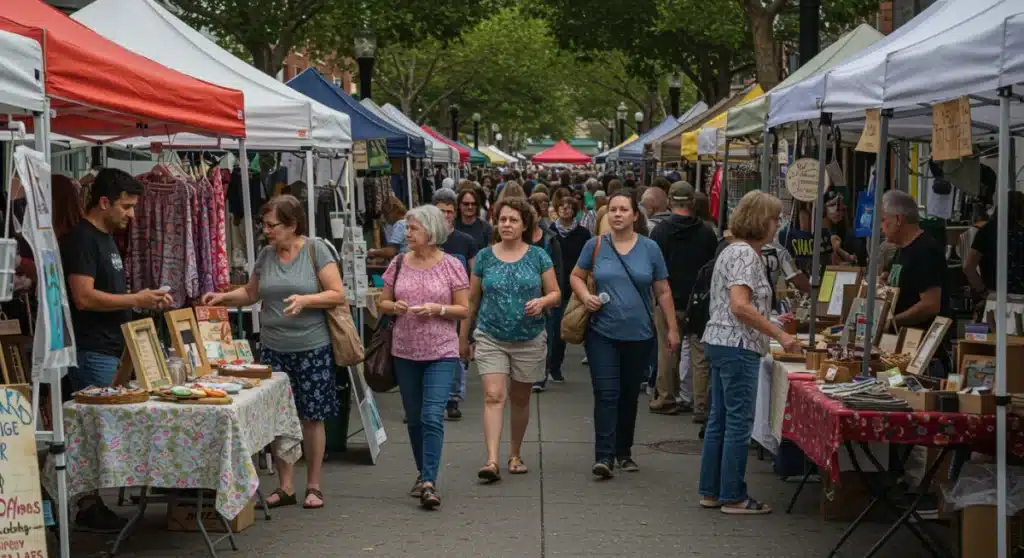
The return of localism, driven by five new US micro-marketplaces, is fundamentally reshaping the retail landscape, offering distinct advantages that national retailers struggle to replicate and fostering community-centric commerce by 2025.
The retail world is undergoing a significant transformation, moving away from purely national and global dominance towards a more localized approach. This shift, often referred to as The Return of Localism: How 5 New US Micro-Marketplaces are Challenging National Retailers in 2025, signifies a profound change in consumer behavior and market strategy. Consumers are increasingly seeking authenticity, community connection, and products that reflect their local values, creating fertile ground for innovative micro-marketplaces.
The Genesis of Localism: Why Now?
The concept of localism in commerce isn’t new, but its resurgence in strength and sophistication is a defining characteristic of the current retail climate. After decades of globalization and the rise of e-commerce giants, a palpable yearning for community-centric experiences and unique, locally sourced goods has emerged. This shift is not merely a nostalgic trend; it’s a strategic response to evolving consumer demands.
Several factors contribute to this renewed focus on local economies. The COVID-19 pandemic highlighted the fragility of global supply chains and underscored the importance of supporting local businesses. Consumers became more aware of their purchasing power’s impact on their immediate communities, leading to a conscious decision to invest locally. This sentiment, coupled with a desire for personalized service and products that stand out from mass-produced offerings, has created an ideal environment for micro-marketplaces to thrive.
Consumer Values Driving the Change
- Authenticity: Shoppers seek genuine products with transparent origins.
- Community Connection: A desire to support local entrepreneurs and foster economic growth within their neighborhoods.
- Sustainability: Reduced carbon footprint from shorter supply chains and locally sourced materials.
- Personalized Experience: The ability to interact directly with makers and receive tailored service.
The appeal of localism extends beyond just products; it encompasses the entire shopping experience. Micro-marketplaces often cultivate a sense of place and belonging that large national retailers struggle to replicate. They become hubs for community events, fostering social interaction and a unique cultural identity, making them more than just places to buy goods.
In essence, the current return to localism is a multifaceted phenomenon driven by a confluence of economic, social, and environmental factors. It represents a powerful counter-narrative to the prevailing forces of mass consumption and globalization, offering a more human-centric approach to retail that resonates deeply with modern consumers.
Defining the Micro-Marketplace Phenomenon
Micro-marketplaces are distinct from traditional e-commerce platforms or physical retail stores. They represent a specialized, often curated, ecosystem designed to connect local producers and service providers with consumers within a specific geographic area or niche. Unlike broad national platforms that offer everything, micro-marketplaces thrive on specialization and local relevance, creating a highly focused and efficient conduit for local commerce.
These platforms leverage technology to bridge the gap between small businesses, artisans, and service providers and their local customer base. They can manifest as online portals, physical co-working retail spaces, or hybrid models that combine the best of both worlds. The key differentiator is their unwavering commitment to local vendors and the unique character of their community. They are not simply aggregators but curators, often setting high standards for the quality and local provenance of the goods and services offered.
Key Characteristics of Micro-Marketplaces
- Geographic Focus: Primarily serving a defined local or regional area.
- Curated Offerings: Emphasizing quality, uniqueness, and local origin over sheer volume.
- Community Engagement: Often facilitating direct interaction between buyers and sellers, fostering a sense of community.
- Technological Enablement: Utilizing digital tools for discovery, transactions, and logistics, but always with a local lens.
The operational models of these micro-marketplaces can vary widely. Some might focus on handcrafted goods, others on local produce, and some on niche services. What unites them is their ability to create a supportive environment for local businesses that might otherwise struggle to compete with the vast marketing budgets and logistical networks of national chains. They empower small enterprises by providing them with a platform, visibility, and a loyal customer base that values their specific contributions to the local economy.
Ultimately, micro-marketplaces are more than just shopping destinations; they are economic engines for local communities, fostering entrepreneurship, preserving local crafts, and creating vibrant, dynamic retail environments that reflect the unique identity of their regions.
The Five Disruptors: Leading the Local Charge
In 2025, several innovative micro-marketplaces are emerging as significant disruptors to the traditional retail landscape across the US. These platforms are not just niche players; they are strategically positioned to capture market share by tapping into the growing demand for local, authentic, and sustainable consumption. Their success lies in their ability to build strong community ties and offer unique value propositions that national retailers find difficult to replicate.
While specific names might evolve, the archetypes of these disruptors are clear. We’re seeing platforms focused on ultra-local food systems, artisan craft networks, hyper-local service exchanges, curated vintage and second-hand markets, and community-driven experience booking platforms. Each category addresses a specific consumer need for local connection and quality, directly challenging the one-size-fits-all approach of larger chains.
Spotlight on Emerging Models
One prominent model is the hyper-local food delivery service, connecting consumers directly with local farms, bakeries, and specialty food producers. These platforms often emphasize organic, seasonal, and ethically sourced products, offering a level of transparency and freshness that national grocery chains struggle to match. They build trust through direct relationships and often facilitate farm-to-table experiences, making food shopping a more engaging and conscious act.
Another significant disruptor is the artisan and craft marketplace, often combining an online storefront with pop-up physical events. These platforms empower local makers by providing a curated space to showcase their unique, handcrafted goods, from ceramics and jewelry to bespoke furniture. They celebrate craftsmanship and storytelling, appealing to consumers who prioritize uniqueness and supporting independent artists over mass-produced items.

Furthermore, local service exchanges are gaining traction, connecting residents with trusted local professionals for everything from home repairs to specialized tutoring. These platforms leverage community recommendations and verification processes to build confidence, offering a more personalized and reliable alternative to larger, often impersonal, service aggregators. The emphasis here is on trust, convenience, and supporting local talent within the neighborhood.
These five archetypal micro-marketplaces, though diverse in their offerings, share a common thread: a deep understanding of local needs and a commitment to fostering vibrant, sustainable local economies. They are not just marketplaces; they are community builders, reweaving the fabric of local commerce one transaction at a time.
Strategic Advantages Over National Retailers
The rise of US micro-marketplaces isn’t just a feel-good story about local businesses; it represents a formidable challenge to national retailers, underpinned by several distinct strategic advantages. These advantages allow micro-marketplaces to compete effectively, even against companies with vastly superior resources and established brand recognition.
One of the most significant advantages is agility and adaptability. Micro-marketplaces, by their very nature, are closer to their customers and vendors. This proximity allows them to quickly respond to local trends, consumer feedback, and supply chain dynamics in a way that large, bureaucratic national chains simply cannot. They can pivot their offerings, introduce new local vendors, or adjust their services with remarkable speed, keeping their offerings fresh and relevant to their specific communities.
Leveraging Local Strengths
- Hyper-Personalization: Tailoring products and services to specific local tastes and demographics.
- Authentic Storytelling: Highlighting the unique stories behind local makers and products, building emotional connections.
- Reduced Overhead: Often operating with leaner structures, allowing for competitive pricing or better margins for vendors.
- Community Loyalty: Fostering a strong sense of belonging and mutual support within the local economy.
Another crucial advantage is the deep understanding of local culture and demographics. National retailers often employ a standardized approach, assuming that what works in one market will work in another. Micro-marketplaces, conversely, are intrinsically linked to their local context. They understand the nuances of local preferences, traditions, and community values, allowing them to curate offerings that resonate authentically with their customer base. This cultural alignment builds stronger brand loyalty and a more engaged customer base.
Furthermore, micro-marketplaces often benefit from a more efficient and sustainable supply chain. By sourcing locally, they reduce transportation costs and environmental impact, appealing to eco-conscious consumers. This local sourcing also translates into fresher products, especially in the food sector, and greater transparency regarding product origins, which is a growing priority for many shoppers. These combined advantages position micro-marketplaces not just as alternatives, but as preferred destinations for a significant segment of the modern consumer market.
Navigating Challenges and Ensuring Sustainability
While the prospects for US micro-marketplaces are bright, their journey to sustained success is not without significant challenges. Competing with the scale, marketing budgets, and logistical prowess of national retailers requires strategic planning, continuous innovation, and a deep understanding of their unique value proposition. Addressing these hurdles effectively will be crucial for their long-term viability and growth.
One primary challenge is achieving economies of scale. National retailers benefit from bulk purchasing, centralized distribution, and extensive advertising campaigns that are often out of reach for individual micro-marketplaces. To counter this, micro-marketplaces must focus on aggregation and collaboration among their vendors, pooling resources for marketing, technology, and even logistics to enhance efficiency and reach. Building robust, shared infrastructure can help level the playing field.
Overcoming Obstacles for Growth
- Technology Investment: Ensuring user-friendly platforms and efficient backend systems for vendors and customers.
- Talent Acquisition: Attracting skilled individuals for platform management, marketing, and community building.
- Regulatory Compliance: Navigating local and state regulations that can be complex for small businesses.
- Customer Acquisition and Retention: Developing effective strategies to attract new users and foster loyalty in a competitive market.
Another critical aspect is maintaining quality control and consistency across diverse local vendors. The appeal of micro-marketplaces lies in their curated nature, but this also means ensuring that all participating businesses meet certain standards. Implementing clear vetting processes, providing support and training to vendors, and establishing feedback mechanisms are essential for upholding the platform’s reputation and customer trust. Building a strong brand identity around quality and reliability is paramount.
Finally, marketing and visibility remain ongoing challenges. While word-of-mouth and community engagement are powerful, micro-marketplaces still need to effectively communicate their value proposition to a broader audience. This often involves targeted digital marketing, local partnerships, and community events that highlight the unique benefits of shopping local. By proactively addressing these challenges, micro-marketplaces can solidify their position as indispensable components of the modern retail ecosystem.
The Future Retail Landscape: A Local-First Approach
The emergence and rapid growth of US micro-marketplaces signal a fundamental shift in the future retail landscape towards a more local-first approach. This isn’t merely a cyclical trend but a foundational change driven by evolving consumer values and technological advancements that empower smaller, community-focused enterprises. By 2025 and beyond, the retail environment will likely be characterized by a dynamic interplay between global convenience and local authenticity.
National retailers are already taking note, with some attempting to integrate local elements into their expansive operations. However, their efforts often lack the genuine community embeddedness and specialized curation that define successful micro-marketplaces. The future suggests that consumers will increasingly differentiate between truly local experiences and corporate attempts to mimic them, favoring the former for specific categories of goods and services.
Implications for National Retailers
- Adaptation or Obsolescence: National chains must innovate to offer localized experiences or risk losing market share.
- Strategic Partnerships: Potential for national retailers to partner with successful micro-marketplaces.
- Data-Driven Localization: Utilizing data to understand and cater to hyper-local preferences within their broader footprint.
The long-term impact of this local-first approach extends beyond just sales figures. It contributes to more resilient local economies, fosters diverse entrepreneurial ecosystems, and enhances the overall vibrancy of communities. As consumers become more conscious of their economic footprint, the appeal of supporting businesses that directly benefit their neighborhoods will only intensify. This will force national retailers to reconsider their strategies, potentially decentralizing operations or investing more heavily in truly local sourcing and community engagement initiatives.
In conclusion, the retail future is not just digital; it’s deeply local. Micro-marketplaces are at the forefront of this evolution, demonstrating that authenticity, community, and curated offerings can create powerful competitive advantages. Their continued growth will undoubtedly reshape how we shop, what we value, and how businesses, big and small, operate in the coming years.
| Key Aspect | Brief Description |
|---|---|
| Return of Localism | Consumers increasingly prioritize local, authentic products and community connection over national brands. |
| Micro-Marketplace Defined | Specialized platforms connecting local producers/services with consumers in specific geographic areas. |
| Strategic Advantages | Agility, hyper-personalization, authentic storytelling, and strong community loyalty challenge national retailers. |
| Future Retail Impact | Anticipates a local-first retail landscape, forcing national chains to adapt or risk obsolescence. |
Frequently Asked Questions About Micro-Marketplaces
A micro-marketplace is a specialized online or physical platform that connects local producers, artisans, and service providers with consumers within a defined geographic area. Unlike large national retailers, they focus on curated, authentic local offerings and often foster strong community ties, providing a niche, personalized shopping experience.
Consumers are drawn to micro-marketplaces for several reasons: a desire for authentic, unique products; supporting local economies and community businesses; increased transparency in sourcing; and a more personalized, engaging shopping experience. The pandemic also highlighted the importance of resilient local supply chains.
Micro-marketplaces challenge national retailers through their agility, hyper-local personalization, authentic storytelling, and strong community loyalty. They can quickly adapt to local trends and offer curated products and services that resonate deeply with specific communities, making direct competition difficult for larger, less flexible chains.
By 2025, key disruptors include hyper-local food delivery services connecting farms to consumers, artisan craft networks, community-driven service exchanges, and curated vintage/second-hand markets. These platforms specialize in local offerings, providing unique value propositions that cater to specific consumer preferences for local goods and services.
Key challenges include achieving economies of scale, maintaining consistent quality across diverse vendors, effective marketing to broaden reach, and navigating regulatory complexities. Overcoming these requires strategic collaboration, robust technology infrastructure, and continuous focus on their unique value proposition and community engagement.
Conclusion
The undeniable surge of localism, spearheaded by innovative US micro-marketplaces, is fundamentally reshaping the retail landscape. By 2025, these agile, community-centric platforms are poised to continue their trajectory of challenging national retailers, demonstrating that authenticity, curated experiences, and genuine local connection hold immense power in the modern consumer market. Their success underscores a broader shift in consumer values, prioritizing impact and relationship over mere convenience. As these micro-marketplaces refine their models and overcome inherent challenges, they will not only thrive but also inspire a more diverse, resilient, and locally-focused retail future across the United States. This evolution signifies a powerful return to roots, proving that local economies are far from obsolete; they are, in fact, the next frontier of retail innovation.