Data-Driven Inventory Management: 20% Less Stockouts for US Retailers
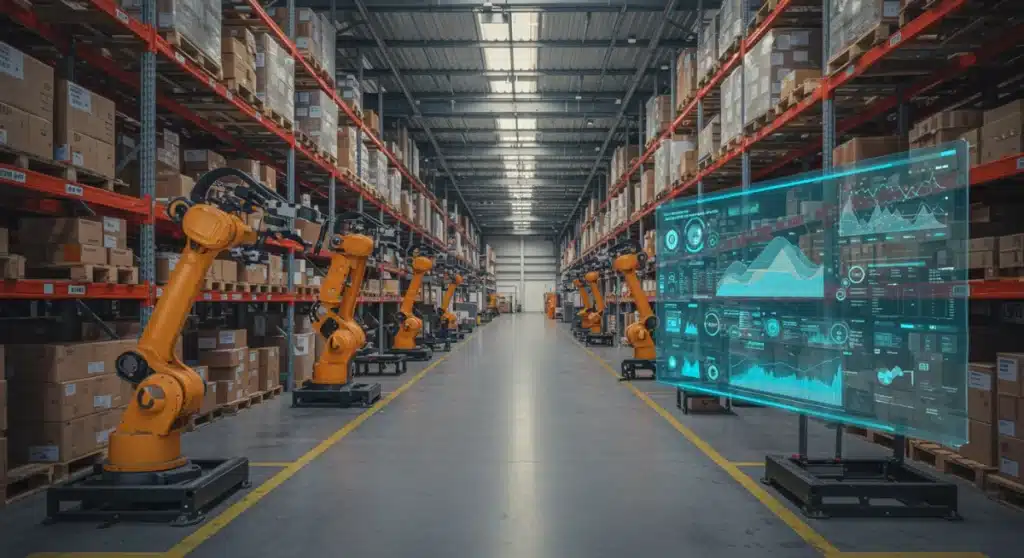
US retailers can achieve a 20% reduction in stockouts by 2025 by implementing advanced data-driven inventory management strategies, leveraging predictive analytics and real-time insights to optimize stock levels and enhance operational efficiency.
The retail landscape is constantly evolving, demanding more precision and foresight than ever before. For US retailers, the goal of achieving a 20% reduction in stockouts by 2025 through data-driven inventory management isn’t just ambitious; it’s a strategic imperative. This approach promises not only operational efficiency but also a significant boost in customer satisfaction and profitability.
Understanding the Stockout Challenge in US Retail
Stockouts, or out-of-stock situations, represent a significant pain point for US retailers, leading to lost sales, frustrated customers, and damaged brand reputation. In today’s competitive market, consumers expect immediate availability, and a lack of desired products can quickly drive them to competitors. Addressing this challenge requires a nuanced understanding of its root causes.
Traditional inventory management often relies on historical data and manual processes, which can be slow to react to sudden shifts in demand or supply chain disruptions. This reactive approach leaves retailers vulnerable to unforeseen events, making it difficult to maintain optimal stock levels across a diverse product portfolio and numerous store locations.
The True Cost of Empty Shelves
The financial implications of stockouts extend far beyond the immediate lost sale. They can erode customer loyalty over time, as repeated negative experiences lead shoppers to seek more reliable alternatives. Moreover, the operational costs associated with managing stockouts, such as expedited shipping or emergency orders, can significantly impact profit margins.
- Lost sales opportunities for specific products.
- Decreased customer satisfaction and loyalty.
- Increased operational costs due to rush orders and special handling.
- Negative impact on brand perception and market share.
Ultimately, effectively tackling stockouts is not merely about having enough product; it is about having the right product, in the right quantity, at the right place, and at the right time. This level of precision is increasingly unattainable without sophisticated data analysis and predictive capabilities.
The Core Principles of Data-Driven Inventory Management
Data-driven inventory management shifts the paradigm from reactive to proactive, utilizing vast amounts of data to make informed decisions about purchasing, stocking, and distribution. It moves beyond simple sales figures, incorporating a wide array of factors to create a more accurate and dynamic inventory model. This approach is essential for any retailer aiming for significant stockout reduction.
At its heart, this strategy involves collecting, analyzing, and interpreting data from various sources to gain a comprehensive view of inventory needs. This includes sales data, customer behavior, market trends, supplier performance, and even external factors like weather patterns or social media sentiment. By bringing these disparate data points together, retailers can uncover hidden patterns and predict future demand with greater accuracy.
Key Components of a Data-Driven Strategy
Successful implementation of data-driven inventory management relies on several critical components. These elements work in concert to provide a holistic and actionable view of a retailer’s stock situation, enabling smarter decisions at every level of the supply chain.
- Real-time Data Collection: Gathering up-to-the-minute information on sales, returns, and inventory levels.
- Advanced Analytics: Employing statistical models and machine learning algorithms to identify trends and forecast demand.
- Predictive Modeling: Using historical data and current indicators to anticipate future inventory needs.
- Automated Reordering Systems: Implementing systems that can trigger orders based on predefined thresholds and forecasts.
By integrating these components, retailers can move away from guesswork and towards a system where inventory decisions are backed by solid evidence, leading to more efficient operations and fewer stockouts. The ability to anticipate rather than simply react is a game-changer in modern retail.
Leveraging Predictive Analytics for Demand Forecasting
Predictive analytics stands as a cornerstone of effective data-driven inventory management, offering retailers the ability to look forward with remarkable clarity. Instead of merely reporting what has happened, predictive models forecast what is likely to happen, allowing for more strategic inventory planning. This foresight is invaluable in a market characterized by rapid shifts in consumer preferences and supply chain dynamics.
These sophisticated analytical tools process historical sales data, promotional calendars, seasonal fluctuations, and even external variables like competitor activities or economic indicators. By identifying complex relationships within this data, predictive analytics can generate highly accurate demand forecasts, enabling retailers to stock products more intelligently and avoid both overstocking and understocking.
Implementing Advanced Forecasting Models
The journey to advanced forecasting begins with robust data infrastructure and the selection of appropriate analytical models. Retailers often utilize machine learning algorithms such as time-series analysis, regression models, and neural networks to predict future demand. The key is to continuously refine these models with new data, ensuring their accuracy remains high.
- Time-Series Analysis: Identifying patterns and trends over time for specific products.
- Machine Learning Algorithms: Utilizing AI to learn from vast datasets and improve prediction accuracy.
- Scenario Planning: Modeling different possible futures to prepare for various demand outcomes.
- Collaborative Forecasting: Incorporating insights from sales, marketing, and supply chain teams.
The power of predictive analytics lies in its continuous learning and adaptation. As new data becomes available, the models adjust, becoming even more precise in their predictions. This iterative process ensures that retailers are always working with the most current and accurate demand insights, directly contributing to a reduction in stockouts.
Optimizing Supply Chain Visibility and Collaboration
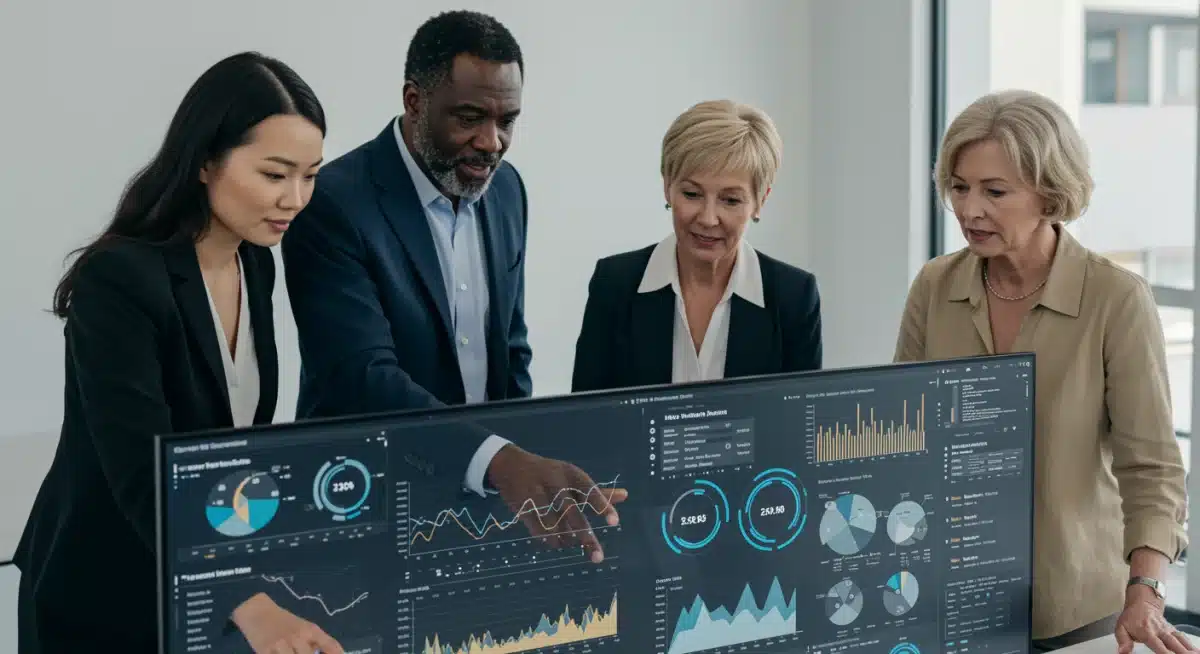
Achieving a 20% reduction in stockouts through data-driven inventory management is not solely an internal effort; it heavily relies on enhanced supply chain visibility and robust collaboration with suppliers. A lack of transparency across the supply chain can create blind spots, leading to unexpected delays, shortages, and ultimately, stockouts. By fostering stronger partnerships and sharing data, retailers can mitigate many of these risks.
End-to-end visibility means having a clear understanding of where inventory is at every stage, from raw materials to the customer’s hands. This includes tracking goods in transit, monitoring supplier production schedules, and understanding potential bottlenecks. When retailers and suppliers share real-time data, they can collectively anticipate and respond to disruptions more effectively, ensuring a smoother flow of goods.
Building Stronger Supplier Relationships
Collaboration extends beyond data sharing to actively working with suppliers on forecasting and planning. When suppliers have access to a retailer’s demand forecasts, they can better plan their production and delivery schedules, reducing lead times and improving reliability. This symbiotic relationship benefits both parties, creating a more resilient and efficient supply chain.
- Shared Data Platforms: Utilizing common systems for real-time inventory and order status.
- Joint Forecasting & Planning: Collaborating on demand predictions to align production with retail needs.
- Performance Monitoring: Tracking supplier reliability and lead times to identify areas for improvement.
- Risk Management: Developing joint strategies to address potential supply chain disruptions.
By breaking down traditional silos and embracing a collaborative approach, retailers can transform their supply chains into interconnected networks that are more responsive and less prone to the stockout issues that plague less integrated systems. This holistic view is crucial for sustained inventory optimization.
Implementing Technology and Automation for Efficiency
The pursuit of a 20% reduction in stockouts through data-driven inventory management is deeply intertwined with the adoption of advanced technology and automation. Manual processes are inherently prone to error and are simply too slow to keep pace with the demands of modern retail. Automation, powered by data, streamlines operations, enhances accuracy, and frees up human resources for more strategic tasks.
From automated warehouse systems to intelligent reordering software, technology plays a pivotal role in ensuring that inventory is managed with precision. These systems can process vast amounts of data, execute complex algorithms, and make decisions far faster and more accurately than any human counterpart. This allows retailers to react almost instantaneously to changes in demand or supply, preventing potential stockouts before they occur.
Key Technologies Driving Inventory Optimization
Several technological advancements are transforming how retailers manage their inventory. These tools not only improve efficiency but also provide deeper insights into inventory performance, enabling continuous improvement and greater control over stock levels across the entire retail network.
- Inventory Management Systems (IMS): Centralized platforms for tracking and controlling inventory.
- Warehouse Management Systems (WMS): Optimizing storage, picking, and packing processes within distribution centers.
- RFID and Barcode Scanning: Enhancing accuracy and speed of inventory movement tracking.
- AI and Machine Learning: Powering predictive analytics and automated decision-making for reordering.
The integration of these technologies creates a seamless and highly efficient inventory ecosystem. By automating routine tasks and providing real-time data, retailers can significantly reduce the likelihood of stockouts, ensuring that products are always available when and where customers want them.
Measuring Success and Continuous Improvement
Achieving a 20% reduction in stockouts by 2025 using data-driven inventory management is an ongoing journey that requires continuous measurement, analysis, and adaptation. Simply implementing new systems is not enough; retailers must establish clear metrics to track progress and identify areas for further optimization. This iterative process of improvement is what truly drives sustained success.
Key Performance Indicators (KPIs) related to inventory health and stockout rates must be regularly monitored. This includes tracking the number of stockouts, the duration of stockouts, the lost sales due to out-of-stocks, and inventory turnover rates. By consistently reviewing these metrics, retailers can assess the effectiveness of their data-driven strategies and make necessary adjustments.
Establishing Key Performance Indicators (KPIs)
Effective measurement involves setting realistic targets and defining how success will be quantified. KPIs provide a quantifiable way to gauge the impact of inventory management strategies and highlight areas that may require additional attention or different approaches.
- Stockout Rate: Percentage of items out of stock versus total items offered.
- Lost Sales Percentage: Revenue lost due to unavailable products.
- Inventory Accuracy: Discrepancy between recorded and actual inventory levels.
- Inventory Turnover: How quickly inventory is sold and replaced.
- Fill Rate: Percentage of customer orders fulfilled from available stock.
The insights gained from continuous monitoring of these KPIs allow retailers to refine their predictive models, adjust reorder points, and optimize their supply chain processes. This commitment to ongoing improvement ensures that the data-driven approach remains dynamic and effective in the face of evolving market conditions.
| Key Strategy | Benefit for Stockout Reduction |
|---|---|
| Predictive Analytics | Forecasts demand accurately, preventing shortages. |
| Supply Chain Visibility | Real-time tracking minimizes delays and disruptions. |
| Automation & Technology | Streamlines processes, reduces errors, and speeds up reordering. |
| Continuous Improvement | Ongoing monitoring and adaptation ensure sustained effectiveness. |
Frequently Asked Questions About Data-Driven Inventory Management
Data-driven inventory management uses advanced analytics and real-time data from various sources to make informed decisions about purchasing, stocking, and distributing products. It shifts from reactive to proactive strategies, aiming to optimize stock levels and minimize stockouts through predictive insights.
Data analytics reduces stockouts by providing accurate demand forecasts, identifying seasonal trends, and predicting potential supply chain disruptions. By understanding these factors, retailers can optimize ordering, ensure timely replenishment, and maintain appropriate stock levels across their entire product range.
Key technologies include advanced Inventory Management Systems (IMS), Warehouse Management Systems (WMS), RFID and barcode scanning for real-time tracking, and AI/Machine Learning for predictive analytics and automated reordering. These tools streamline operations and enhance decision-making.
Enhanced supply chain visibility provides end-to-end tracking of goods, from suppliers to shelves. This transparency allows retailers to anticipate and react to delays or disruptions, collaborate effectively with suppliers, and ensure a continuous flow of products, thereby preventing stockouts.
A 20% reduction in stockouts leads to significant benefits, including increased sales, improved customer satisfaction and loyalty, enhanced brand reputation, and reduced operational costs associated with emergency orders. It also frees up capital previously tied up in excess inventory.
Conclusion
The ambition for US retailers to achieve a 20% reduction in stockouts by 2025 is not merely a target; it represents a fundamental shift towards more intelligent, resilient, and customer-centric operations. By fully embracing data-driven inventory management, retailers can transform their supply chains from reactive systems into proactive, predictive powerhouses. The integration of advanced analytics, robust technology, and collaborative supplier relationships will be paramount in this endeavor, ensuring that shelves remain stocked, customers remain satisfied, and businesses thrive in an increasingly competitive marketplace.