Sustainable Supply Chains: 2025 Waste Reduction Mandate
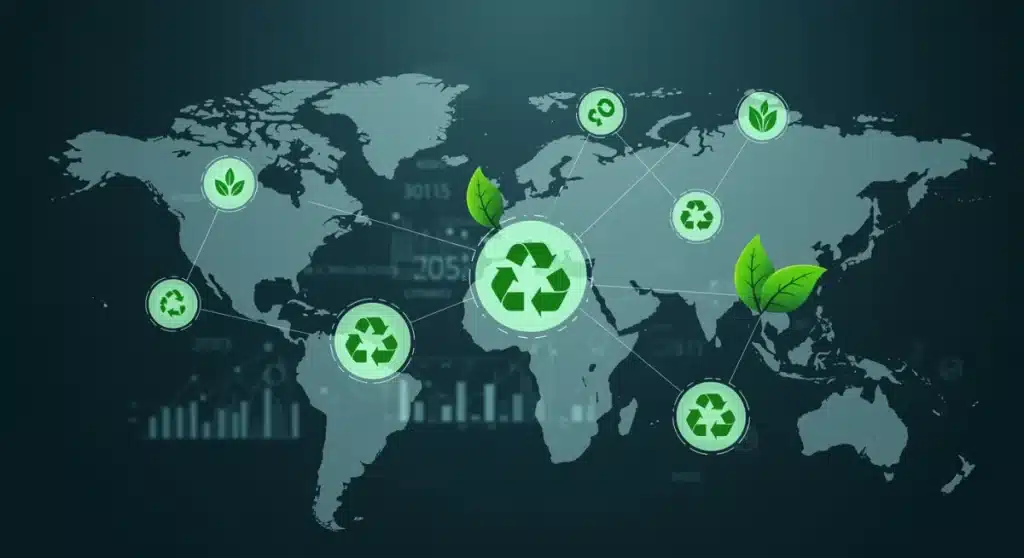
Adopting sustainable supply chains is crucial for US companies aiming to reduce waste by 25% by 2025, ensuring operational efficiency and aligning with growing environmental demands.
The landscape of commerce is rapidly evolving, with sustainability moving from a niche concern to a central imperative. For US companies, the mandate to implement sustainable supply chains and achieve a 25% waste reduction by 2025 is not just an environmental goal; it’s a strategic necessity. This ambitious target demands a fundamental rethinking of how products are sourced, manufactured, transported, and consumed, pushing businesses towards innovation and responsible practices.
The Urgency of Supply Chain Sustainability in 2025
The year 2025 stands as a critical benchmark for US companies regarding environmental responsibility. With increasing regulatory pressures, heightened consumer awareness, and the undeniable impacts of climate change, the push for sustainable practices in supply chains has never been stronger.
Failure to adapt can result in significant financial penalties, reputational damage, and a loss of market share. Conversely, proactive engagement in sustainable supply chain management offers a competitive edge, fostering innovation and resilience.
Regulatory Landscape and Consumer Expectations
The regulatory environment is tightening, with new mandates and incentives emerging to encourage eco-friendly operations. Consumers, particularly younger demographics, are increasingly prioritizing brands that demonstrate genuine commitment to sustainability, influencing purchasing decisions and brand loyalty.
- Evolving Regulations: Stricter environmental laws and reporting requirements are becoming common, necessitating transparent supply chain operations.
- ESG Investment: Investors are integrating Environmental, Social, and Governance (ESG) criteria into their decision-making, favoring companies with strong sustainability records.
- Brand Reputation: A company’s commitment to sustainability directly impacts its public image and ability to attract and retain customers.
Ultimately, the move towards sustainable supply chains is about future-proofing businesses. It’s about building systems that are not only efficient and profitable but also environmentally sound and socially responsible, ensuring long-term viability in a rapidly changing global market.
Defining Waste Reduction: Beyond the Obvious
Achieving a 25% waste reduction by 2025 requires a comprehensive understanding of what ‘waste’ truly encompasses within a supply chain. It extends far beyond discarded packaging or manufacturing scraps, delving into inefficiencies across the entire product lifecycle.
This holistic view includes energy waste, water consumption, carbon emissions, and even the underutilization of resources. Addressing these multifaceted forms of waste is crucial for impactful and measurable progress.
Circular Economy Principles
Embracing circular economy principles is fundamental to effective waste reduction. Instead of the traditional linear ‘take-make-dispose’ model, a circular approach focuses on minimizing resource input and waste generation by keeping products and materials in use for as long as possible.
- Design for Durability: Creating products that last longer reduces the frequency of replacement and associated waste.
- Reuse and Repair: Establishing systems for product reuse and repair extends lifespans and minimizes new material consumption.
- Recycling and Upcycling: Transforming waste materials into new resources, either through traditional recycling or creative upcycling, prevents landfill accumulation.
By shifting towards a circular model, companies can significantly reduce their environmental footprint and uncover new avenues for value creation, transforming waste from a liability into a valuable resource.
Key Strategies for Sustainable Supply Chains
Implementing effective sustainable supply chains involves a multi-pronged approach, integrating technological advancements, strategic partnerships, and a culture of continuous improvement. The goal is to embed sustainability into every facet of operations, from raw material extraction to end-of-life product management.
These strategies are not merely about compliance; they are about creating more resilient, efficient, and ethical supply chains that deliver long-term value.
Leveraging Technology and Data
Technology plays a pivotal role in optimizing supply chains for sustainability. Data analytics, AI, and blockchain can provide unprecedented visibility and insights into environmental performance.
- Supply Chain Transparency: Blockchain technology can trace products from origin to consumer, verifying ethical sourcing and environmental compliance.
- Predictive Analytics: AI-powered tools can forecast demand more accurately, reducing overproduction and associated waste.
- IoT Sensors: Internet of Things devices can monitor energy consumption, water usage, and emissions in real-time, enabling immediate adjustments for efficiency.
By harnessing these technologies, companies gain the intelligence needed to identify waste hotspots, optimize logistics, and make data-driven decisions that enhance sustainability across the entire network.
Collaboration and Partnerships for Impact
Achieving a 25% waste reduction by 2025 is rarely an endeavor a single company can undertake alone. It requires robust collaboration across the entire supply chain, involving suppliers, distributors, customers, and even competitors.
Strategic partnerships can foster shared responsibility, drive innovation, and amplify the collective impact of sustainability initiatives. This collaborative spirit is essential for tackling systemic challenges.


Engaging Suppliers and Stakeholders
Working closely with suppliers is paramount, as a significant portion of a company’s environmental footprint often lies upstream. Establishing clear sustainability expectations and providing support for compliance are critical steps.
- Supplier Audits: Regularly assessing supplier environmental practices ensures adherence to sustainability standards.
- Capacity Building: Offering training and resources to suppliers helps them adopt more sustainable production methods.
- Joint Innovation: Collaborating on new materials, processes, and product designs can lead to breakthrough waste reduction solutions.
Beyond direct suppliers, engaging with industry consortia, NGOs, and government bodies can help shape policy, share best practices, and address broader environmental challenges that impact the entire sector.
Measuring Progress and Ensuring Accountability
To effectively reduce waste by 25% by 2025, US companies must establish robust mechanisms for measuring progress and ensuring accountability. Without clear metrics and transparent reporting, sustainability efforts risk becoming superficial or ineffective.
This involves setting baselines, tracking key performance indicators (KPIs), and regularly communicating results to both internal and external stakeholders. A commitment to transparency fosters trust and drives continuous improvement.
Key Performance Indicators for Waste Reduction
Identifying and tracking the right KPIs is essential for monitoring waste reduction efforts. These metrics should be specific, measurable, achievable, relevant, and time-bound (SMART).
- Total Waste Generated: Quantifying the absolute volume of waste across all operations.
- Waste Diversion Rate: The percentage of waste diverted from landfills through recycling, composting, or reuse.
- Energy Consumption per Unit: Measuring energy efficiency in production and logistics.
- Carbon Footprint: Calculating greenhouse gas emissions associated with the supply chain.
Regularly reviewing these KPIs allows companies to identify areas of improvement, celebrate successes, and adjust strategies as needed to stay on track towards the 25% waste reduction goal.
The Future of Sustainable Supply Chains: Beyond 2025
While the 25% waste reduction target for 2025 is a significant milestone, the journey towards fully sustainable supply chains extends far beyond this date. The future demands even greater innovation, integration, and a deeper commitment to regenerative practices.
Companies that embed sustainability as a core business principle today will be better positioned to thrive in the complex and environmentally conscious markets of tomorrow, fostering long-term resilience and competitive advantage.
Embracing Regenerative Practices
The next frontier in supply chain sustainability involves moving beyond simply minimizing harm to actively restoring and regenerating natural systems. This includes practices that enhance biodiversity, improve soil health, and replenish water resources.
- Biodiversity Protection: Sourcing materials from suppliers committed to protecting and restoring ecosystems.
- Water Stewardship: Implementing closed-loop water systems and supporting water conservation initiatives in communities where operations are located.
- Renewable Energy Integration: Transitioning to 100% renewable energy sources across the supply chain, including manufacturing and logistics.
By adopting regenerative approaches, businesses can contribute positively to the environment, creating a legacy of sustainability that benefits both the planet and future generations.
| Key Point | Brief Description |
|---|---|
| 2025 Mandate | US companies target 25% waste reduction by 2025 through sustainable supply chains. |
| Circular Economy | Shift from linear to circular models, focusing on reuse, repair, and recycling to minimize waste. |
| Technology Integration | Utilize AI, blockchain, and IoT for transparency, efficiency, and data-driven waste reduction. |
| Collaboration | Partner with suppliers and stakeholders across the value chain for collective impact. |
Frequently Asked Questions About Sustainable Supply Chains
This goal is crucial for US companies to meet increasing regulatory demands, satisfy consumer expectations for eco-friendly practices, and enhance their brand reputation. It also drives operational efficiency and long-term resilience in a changing market.
Waste reduction goes beyond physical waste to include inefficiencies like wasted energy, water, and carbon emissions. It involves a holistic view of resource utilization throughout the entire product lifecycle, aiming for minimal environmental impact.
Technology like AI, blockchain, and IoT sensors provides enhanced visibility and data analytics. This enables companies to track materials, monitor environmental performance, optimize logistics, and make informed decisions to reduce waste and improve efficiency.
Collaboration with suppliers, distributors, and other stakeholders is vital. Partnerships foster shared responsibility, drive innovation in eco-friendly practices, and amplify the collective impact, helping companies address complex sustainability challenges more effectively.
A circular economy model minimizes resource input and waste by keeping products and materials in use longer through reuse, repair, and recycling. This approach reduces environmental footprint, creates new value streams, and enhances resource efficiency.
Conclusion
The push for sustainable supply chains and a 25% waste reduction by 2025 represents a pivotal moment for US companies. This isn’t merely a trend but a fundamental shift towards a more responsible and resilient business model. By embracing innovation, fostering collaboration, and leveraging technology, businesses can not only meet these ambitious targets but also unlock new avenues for growth, enhance brand loyalty, and contribute positively to a sustainable future. The path to 2025 is a call to action, urging companies to embed sustainability at their core for enduring success.