Sustainable Practices: Market Disruptors & US Consumer Behavior in 2025
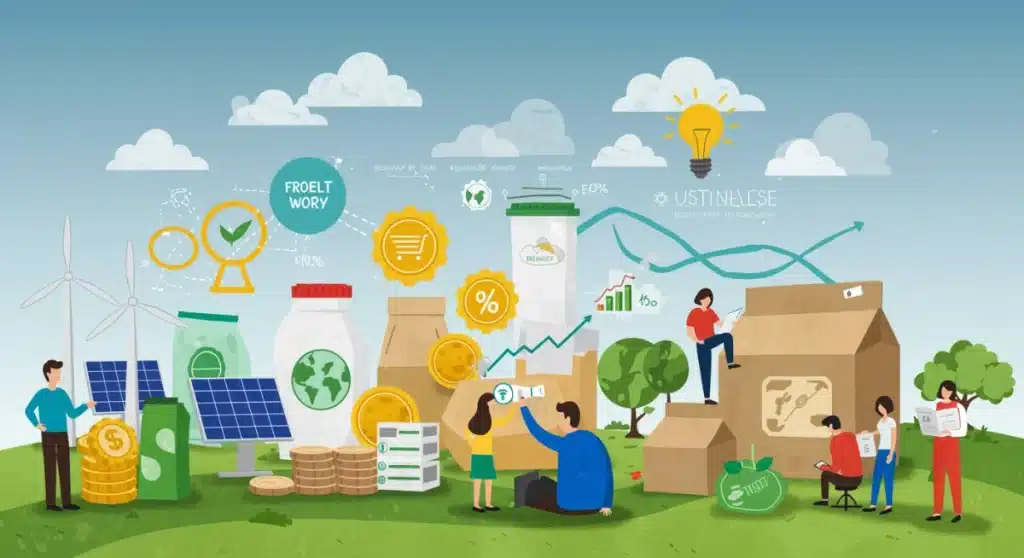
By 2025, 15% of US consumers will prioritize eco-friendly brands, positioning sustainable practices as market disruptors that redefine industry standards and consumer expectations.
The landscape of commerce is undergoing a profound transformation, driven by a powerful force that transcends traditional business models: sustainability. The notion that sustainable practices as market disruptors are reshaping consumer choices and industry standards is no longer a fringe idea but a central tenet of modern economics. By 2025, a significant 15% of US consumers are projected to actively prioritize eco-friendly brands, signaling a critical shift in purchasing power and brand loyalty.
The Rise of Conscious Consumerism in the US
Conscious consumerism is not merely a passing trend; it represents a fundamental recalibration of values among American shoppers. This movement is characterized by individuals making purchasing decisions based on ethical and environmental considerations, rather than solely on price or convenience.
Consumers are increasingly aware of the environmental and social impacts of their purchases. This heightened awareness fuels a demand for transparency and accountability from brands.
Driving Forces Behind the Shift
Several factors contribute to this growing emphasis on sustainability. Access to information, social media influence, and a generational shift in values all play significant roles.
- Information Accessibility: The internet and social media provide unprecedented access to information about corporate practices, supply chains, and environmental footprints.
- Generational Values: Younger generations, particularly Millennials and Gen Z, exhibit a stronger inherent concern for environmental issues and social justice.
- Climate Change Awareness: Growing public understanding and concern about climate change directly influence consumer behavior, leading to a demand for solutions.
This evolving mindset forces brands to re-evaluate their operations, from sourcing raw materials to product disposal, understanding that ethical practices are now a cornerstone of competitive advantage. Businesses failing to adapt risk losing a substantial segment of the market.
Defining Sustainable Practices in a Business Context
Sustainable practices in business extend far beyond simply recycling. They encompass a holistic approach to operations that minimizes negative environmental impact, maximizes social benefits, and ensures long-term economic viability. This involves integrating ecological and social concerns into every facet of a company’s strategy.
True sustainability requires a commitment to continuous improvement and innovation, constantly seeking ways to reduce waste, conserve resources, and promote fair labor practices.
Key Pillars of Corporate Sustainability
For a business to genuinely embrace sustainability, it must address several core areas systematically. These pillars form the framework for responsible and impactful operations.
- Environmental Stewardship: Reducing carbon footprint, conserving water, managing waste, and utilizing renewable energy sources.
- Social Responsibility: Ensuring fair labor practices, promoting diversity and inclusion, supporting local communities, and maintaining ethical supply chains.
- Economic Viability: Implementing practices that are financially sound and contribute to long-term business resilience, rather than short-term gains at environmental or social cost.
Companies that successfully integrate these pillars often find themselves at the forefront of innovation, developing new products and services that meet evolving consumer demands while also contributing positively to the planet and society. This comprehensive approach is what truly allows sustainable practices as market disruptors to gain traction.
The Economic Impact: Beyond Greenwashing
The economic impact of incorporating sustainable practices is increasingly significant, moving beyond mere public relations stunts. Consumers are becoming adept at identifying ‘greenwashing’ – deceptive marketing that portrays products or policies as environmentally friendly when they are not. Authenticity is paramount.
Businesses that genuinely commit to sustainability often realize tangible financial benefits, including cost savings, enhanced brand reputation, and access to new markets.
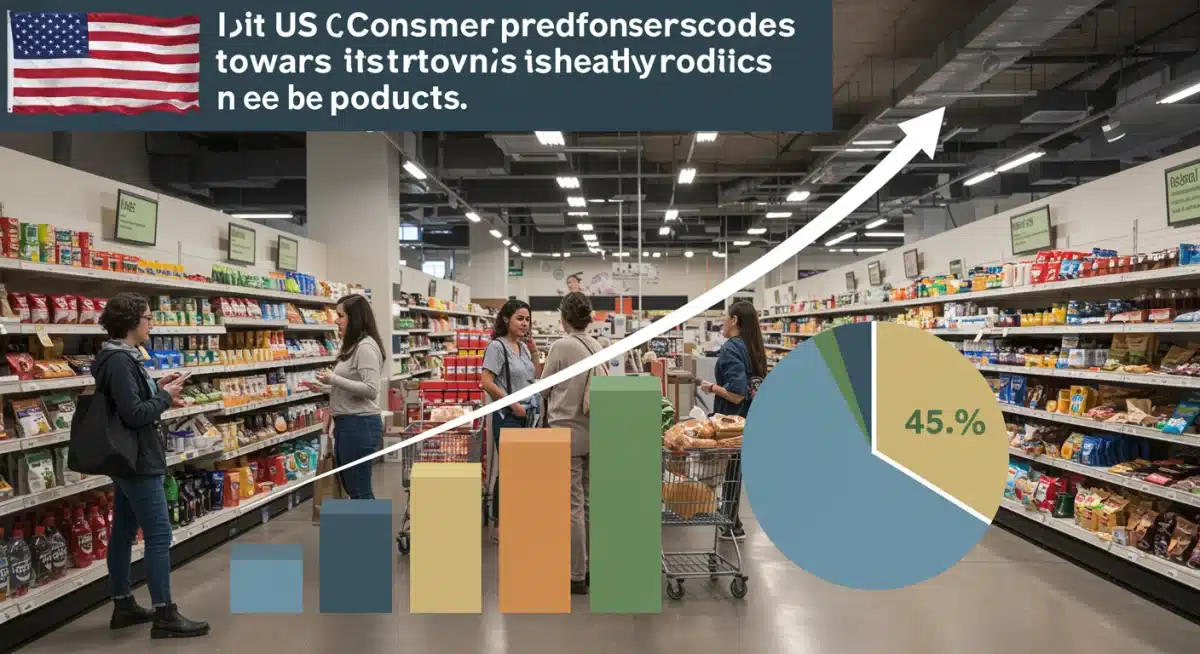
The marketplace rewards transparency and genuine effort. Brands that can demonstrate verifiable sustainable practices often see increased customer loyalty and willingness to pay a premium.
Financial Benefits of Sustainable Operations
Adopting sustainable models can lead to a variety of financial advantages that bolster a company’s bottom line.
- Cost Reduction: Energy efficiency, waste reduction, and optimized resource use can significantly lower operational costs.
- Brand Value and Reputation: A strong commitment to sustainability enhances brand image, attracting customers, investors, and top talent.
- Innovation and New Markets: Developing eco-friendly products or services can open up new market segments and foster innovation.
Furthermore, sustainable businesses often mitigate regulatory risks and attract impact investors who prioritize environmental, social, and governance (ESG) factors. This holistic view of value creation positions sustainable practices as market disruptors that reshape investment strategies and corporate governance.
Challenges and Opportunities for Brands
While the benefits of embracing sustainability are clear, brands face considerable challenges in transitioning to more eco-friendly models. These include initial investment costs, supply chain complexities, and the need for consumer education.
However, these challenges also present significant opportunities for innovation, differentiation, and building stronger relationships with consumers.
Navigating the Sustainable Transition
The path to sustainability is not without hurdles, but strategic planning and commitment can turn obstacles into competitive advantages.
- Initial Investment: Implementing sustainable technologies or processes often requires upfront capital, which can be a barrier for smaller businesses.
- Supply Chain Transparency: Ensuring sustainability across complex global supply chains demands rigorous auditing and collaboration with suppliers.
- Consumer Education: Communicating the value and impact of sustainable products effectively to consumers is crucial to justify potential price differences.
Conversely, these challenges foster innovation. Brands that successfully navigate these complexities can emerge as leaders, setting new industry benchmarks and capturing a growing market share. This strategic agility is key to leveraging sustainable practices as market disruptors, turning potential disadvantages into powerful growth engines.
Future Outlook: The 15% Milestone and Beyond
The projection that 15% of US consumers will prioritize eco-friendly brands by 2025 is a significant milestone, indicating a critical mass that can fundamentally alter market dynamics. This figure suggests that sustainability is moving from a niche concern to a mainstream expectation.
As this percentage grows, the pressure on all brands, regardless of industry, to adopt more sustainable practices will intensify, creating a ripple effect across the entire economy.
Implications for the Next Decade
Looking beyond 2025, the trajectory for sustainable consumerism points towards continued growth and deeper integration into purchasing habits.
- Mainstream Adoption: Sustainable options will become the norm, not the exception, across various product categories.
- Policy and Regulation: Increased consumer demand will likely lead to more stringent environmental regulations and incentives for sustainable businesses.
- Technological Advancements: Innovation in areas like circular economy models, green chemistry, and renewable materials will accelerate.
The 15% figure serves as a powerful indicator of a broader societal shift. Brands that proactively embrace and authentically integrate sustainable practices will not only meet consumer expectations but also drive future market trends, firmly establishing sustainable practices as market disruptors that define the competitive landscape for decades to come.
Crafting Authentic Sustainable Narratives
In an era where consumers are increasingly skeptical, crafting authentic sustainable narratives is crucial for brands. It’s not enough to simply claim to be eco-friendly; businesses must demonstrate their commitment through transparent actions and verifiable impact. This authenticity builds trust and fosters genuine connections with the conscious consumer base.
Effective communication goes beyond marketing jargon, focusing on tangible benefits and the real-world impact of sustainable choices.
Strategies for Transparent Communication
To resonate with consumers, brands need to adopt communication strategies that are honest, clear, and backed by evidence.
- Supply Chain Transparency: Openly sharing information about sourcing, manufacturing processes, and labor conditions.
- Impact Reporting: Providing clear data on environmental footprint reduction, social contributions, and other sustainability metrics.
- Certifications and Standards: Obtaining and highlighting reputable third-party certifications (e.g., B Corp, Fair Trade, Organic) to validate claims.
By telling their sustainability story with integrity and verifiable facts, brands can differentiate themselves in a crowded market. This commitment to authenticity transforms sustainable practices as market disruptors into powerful tools for building lasting brand loyalty and fostering a more responsible economy.
| Key Point | Brief Description |
|---|---|
| Consumer Prioritization | 15% of US consumers will prioritize eco-friendly brands by 2025, signaling a major market shift. |
| Market Disruption | Sustainable practices are redefining industry standards and competitive landscapes. |
| Economic Benefits | Cost savings, enhanced brand value, and new market access stem from genuine sustainability. |
| Authenticity Required | Brands must demonstrate verifiable impact and transparency to build consumer trust. |
Frequently Asked Questions About Sustainable Market Disruption
It refers to how eco-friendly and ethical business methods are fundamentally changing industries. These practices challenge traditional models, forcing companies to innovate and adapt to new consumer values, ultimately reshaping competitive landscapes and creating new market segments.
This 15% represents a critical mass of consumers whose purchasing power can drive substantial market shifts. Their collective preference for sustainable products creates strong incentives for brands to adopt greener practices, moving sustainability from a niche concern to a mainstream expectation across various industries.
Businesses benefit through reduced operational costs from efficiency, enhanced brand reputation attracting loyal customers and talent, and access to new markets for eco-friendly products. Additionally, it can mitigate regulatory risks and attract impact investors, contributing to long-term financial resilience and growth.
Brands often encounter challenges such as high initial investment costs for new technologies, complexities in ensuring sustainability across global supply chains, and the need for effective consumer education. Overcoming these requires strategic planning and a genuine commitment to long-term change.
Authenticity is built through transparency in supply chains, clear reporting of environmental and social impacts, and obtaining reputable third-party certifications. Brands should communicate their efforts honestly and consistently, avoiding greenwashing, to foster trust and build strong, lasting connections with their conscious consumer base.
Conclusion
The growing emphasis on sustainable practices is undeniably disrupting traditional market paradigms. The projection that 15% of US consumers will prioritize eco-friendly brands by 2025 is not just a statistic; it’s a powerful indicator of a fundamental shift in consumer values and market demands. Businesses that recognize and proactively integrate genuine sustainable practices into their core operations will not only meet these evolving expectations but will also emerge as leaders in a new, more responsible economy. This transition offers profound opportunities for innovation, enhanced brand loyalty, and long-term economic viability, underscoring that sustainability is no longer an option but a strategic imperative for future success.