2025 Retail Horizon: 5 Key Trends Shaping US Consumer Spending
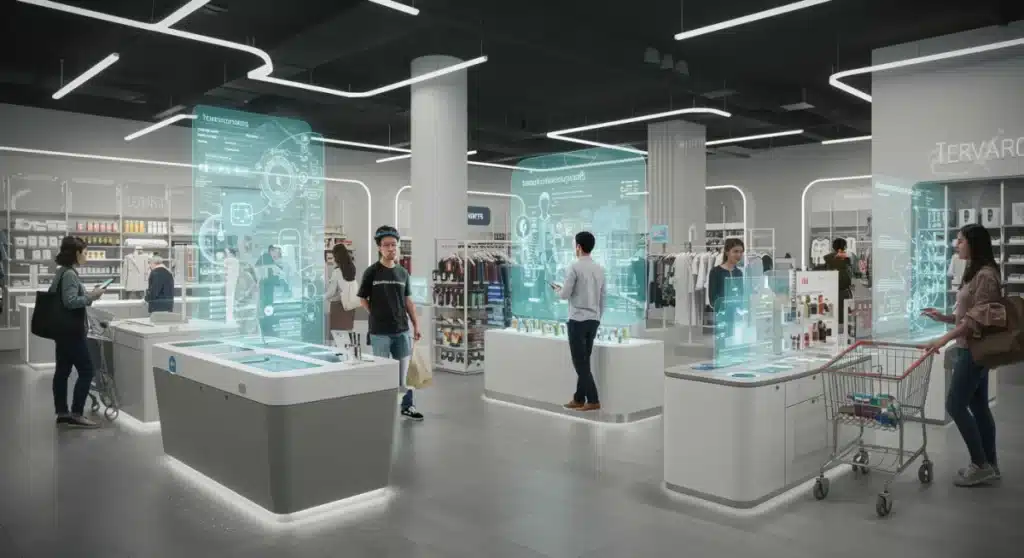
The 2025 Retail Horizon in the US will be fundamentally shaped by five transformative trends, prominently featuring a significant 15% shift in consumer spending towards experiential retail, demanding innovative engagement strategies from businesses.
The landscape of commerce is in constant flux, and understanding the 2025 Retail Horizon is crucial for any business aiming to thrive in the United States. We are not just talking about minor adjustments; rather, a profound transformation is underway, particularly with a projected 15% shift in consumer spending towards experiential retail. This evolution demands a strategic re-evaluation of how brands connect with their audience, moving beyond mere transactions to foster deeper, more memorable engagements.
The Rise of Experiential Retail: Beyond the Transaction
Experiential retail is rapidly becoming the cornerstone of the modern consumer journey. It’s no longer enough for stores to simply stock products; they must offer immersive environments that entertain, educate, and engage. This trend signifies a move away from passive shopping towards active participation, making every visit a unique event.
Consumers are increasingly prioritizing experiences over possessions, particularly younger generations. This preference is driving retailers to reimagine their physical spaces, turning them into destinations where customers can interact with products and brands in meaningful ways. The goal is to create lasting impressions that build brand loyalty and encourage repeat visits.
Redefining Physical Spaces
The traditional brick-and-mortar store is evolving into a dynamic hub for discovery and interaction. Retailers are investing in innovative store designs and technologies to deliver these enhanced experiences.
- Interactive Displays: Augmented reality (AR) and virtual reality (VR) are being integrated to allow customers to visualize products in their own homes or try on clothing virtually.
- Workshops and Classes: Stores are hosting events like cooking classes, DIY workshops, or fitness sessions, creating communities around shared interests.
- Personalized Services: On-site stylists, beauty consultations, and custom product creation stations offer tailored experiences that cannot be replicated online.
The success of experiential retail lies in its ability to transform shopping into an adventure. By offering unique, shareable moments, retailers can capitalize on the desire for authenticity and connection, driving foot traffic and boosting sales.
Ultimately, the shift to experiential retail is about understanding that consumers seek more than just goods; they crave stories, connections, and memorable moments. Brands that successfully integrate these elements into their retail strategy will be best positioned to capture the evolving US consumer spending in 2025 and beyond.
Hyper-Personalization at Scale: Tailoring the Consumer Journey
In an increasingly crowded market, standing out requires more than just excellent products. Hyper-personalization is emerging as a critical trend, allowing retailers to deliver highly relevant and individualized experiences to each customer. This goes beyond basic recommendations, leveraging data and AI to anticipate needs and preferences across every touchpoint.
Consumers expect brands to understand their unique tastes and to offer solutions that genuinely resonate with them. This demand for tailored interactions is pushing retailers to invest in sophisticated data analytics and machine learning capabilities, enabling them to create truly bespoke shopping journeys.
Leveraging Data for Individualized Experiences
The power of hyper-personalization stems from the intelligent use of customer data. From browsing history to purchase patterns, every interaction provides valuable insights that can be used to refine the consumer experience.
- AI-Powered Recommendations: Sophisticated algorithms analyze past behavior to suggest products, content, and offers that are highly likely to appeal to individual customers.
- Dynamic Content: Websites and apps adapt in real-time to display content, promotions, and layouts based on user preferences and context.
- Personalized Marketing: Email campaigns and social media ads are customized with specific product suggestions and messages, increasing their effectiveness.
The goal is to create a seamless and intuitive experience where customers feel understood and valued. By anticipating their needs and providing relevant solutions, retailers can build stronger relationships and foster greater loyalty.
Hyper-personalization is not just about technology; it’s about a fundamental shift in mindset. Retailers must move from a mass-market approach to one that prioritizes the individual, recognizing that every customer journey is unique. This trend will be a key differentiator in the competitive retail landscape of 2025.
The Blurring Lines: Seamless Omnichannel Integration
The modern consumer does not distinguish between online and offline shopping channels; they expect a fluid and consistent experience across all touchpoints. Omnichannel integration is no longer a luxury but a necessity, allowing customers to move effortlessly between digital platforms and physical stores. This seamless transition is fundamental to meeting evolving expectations.
Retailers are challenged to unify their various channels, ensuring that information, inventory, and customer service are synchronized. This integration creates a cohesive brand experience, reducing friction and enhancing convenience for the shopper.
Connecting Digital and Physical Worlds
True omnichannel success lies in the harmonious interplay between digital and physical environments. This involves more than just having an online store and a brick-and-mortar presence; it requires deep integration of systems and processes.
- Click and Collect: Customers can order online and pick up in-store, combining the convenience of e-commerce with the immediacy of physical retail.
- In-Store Returns for Online Purchases: Simplifying the return process by allowing online orders to be returned at any physical location.
- Endless Aisle: In-store kiosks or apps that provide access to a retailer’s entire online inventory, even if an item isn’t physically present in the store.
The objective is to empower customers to shop on their own terms, using the channels that best suit their needs at any given moment. This flexibility not only improves customer satisfaction but also drives sales by removing barriers to purchase.
Achieving seamless omnichannel integration requires significant investment in technology and a cultural shift within organizations. However, the payoff is substantial, as it creates a more resilient and customer-centric retail model, essential for navigating the complexities of the 2025 Retail Horizon.
Sustainability and Ethical Consumption: A Growing Imperative
Consumer consciousness regarding environmental and social issues is at an all-time high, making sustainability and ethical practices non-negotiable for retailers. The 2025 Retail Horizon will see consumers increasingly base their purchasing decisions on a brand’s commitment to responsible practices. Transparency and genuine efforts in this area will be rewarded with loyalty and trust.
This trend extends beyond simply offering eco-friendly products; it encompasses the entire supply chain, from sourcing raw materials to manufacturing processes and packaging. Brands must demonstrate a holistic approach to sustainability to resonate with today’s values-driven consumers.

From Niche to Mainstream: The Green Revolution
What was once a niche concern is now a mainstream expectation. Consumers are actively seeking out brands that align with their ethical principles, and they are willing to pay a premium for sustainable and ethically produced goods.
- Eco-Friendly Products: An increasing demand for products made from recycled materials, organic ingredients, or with reduced environmental impact.
- Ethical Sourcing: Consumers want assurance that products are made under fair labor conditions and without exploiting workers or natural resources.
- Circular Economy Models: Brands offering repair services, take-back programs, or product-as-a-service models are gaining traction.
Retailers must not only adopt sustainable practices but also communicate them effectively and transparently to their audience. Greenwashing—making unsubstantiated claims about environmental benefits—will quickly erode consumer trust.
Embracing sustainability and ethical consumption is no longer just good corporate citizenship; it’s a strategic imperative for long-term success in the 2025 Retail Horizon. Brands that genuinely commit to these values will build stronger connections with their customers and secure a competitive advantage.
The Subscription Economy: Convenience and Curation
The subscription economy continues its robust expansion, transforming how consumers access goods and services. From curated product boxes to ongoing access to digital content, subscriptions offer unparalleled convenience and a sense of ongoing discovery. This model fosters predictable revenue streams for businesses and a streamlined experience for consumers, making it a pivotal force in the 2025 Retail Horizon.
Consumers are drawn to the ease and perceived value of subscriptions, often appreciating the curated selections and the elimination of repetitive purchasing decisions. This trend reflects a desire for simplification and a preference for access over outright ownership in many categories.
Building Loyalty Through Recurring Value
The core appeal of the subscription model lies in its ability to deliver consistent value and convenience over time. This fosters strong customer relationships and a sense of anticipation with each delivery or service renewal.
- Curated Boxes: Services delivering personalized selections of products, from beauty items to gourmet foods, directly to the customer’s door.
- Replenishment Services: Automated delivery of essential goods like toiletries, pet food, or coffee, ensuring consumers never run out.
- Access-Based Subscriptions: Offering exclusive content, premium features, or members-only benefits for a recurring fee.
For retailers, the subscription model offers the advantage of predictable revenue and direct customer relationships, enabling better inventory management and personalized marketing efforts. The key is to consistently deliver value that justifies the recurring cost.
As consumer preferences continue to shift towards convenience and personalized curation, the subscription economy will play an even more significant role in the 2025 Retail Horizon. Retailers who can effectively integrate subscription services into their offerings will tap into a powerful engine for growth and customer retention.
Technology as an Enabler: AI, IoT, and Automation
Technology is not merely supporting retail; it is actively reshaping it, acting as an indispensable enabler for the trends defining the 2025 Retail Horizon. Artificial intelligence (AI), the Internet of Things (IoT), and automation are revolutionizing everything from supply chain management to in-store customer engagement. These advancements are streamlining operations, enhancing personalization, and creating entirely new possibilities for retail experiences.
The integration of these technologies allows retailers to operate with unprecedented efficiency, gain deeper insights into consumer behavior, and deliver highly responsive services. This technological foundation is critical for meeting the demands of the modern, digitally-savvy consumer.
Innovating the Retail Ecosystem
The synergistic application of AI, IoT, and automation is creating a more intelligent and responsive retail ecosystem. These technologies are improving decision-making, optimizing processes, and enhancing the overall customer journey.
- AI-Powered Analytics: Predicting consumer demand, optimizing pricing strategies, and personalizing marketing messages with greater accuracy.
- IoT for Inventory Management: Smart shelves and sensors providing real-time inventory data, reducing stockouts and improving supply chain efficiency.
- Robotics and Automation: Automating warehouse operations, in-store cleaning, and even customer service tasks, freeing up human staff for more complex interactions.
Beyond operational benefits, these technologies are also enabling more immersive and interactive in-store experiences, such as smart mirrors that offer virtual try-ons or personalized product recommendations based on real-time data.
Embracing AI, IoT, and automation is paramount for retailers looking to remain competitive and innovative within the 2025 Retail Horizon. These tools are not just about cost reduction; they are about creating richer, more efficient, and ultimately more satisfying experiences for both businesses and consumers.
| Key Trend | Brief Description |
|---|---|
| Experiential Retail Shift | Consumers shifting 15% of spending to immersive, interactive in-store experiences. |
| Hyper-Personalization | Tailoring individual customer journeys using AI and data across all touchpoints. |
| Seamless Omnichannel | Unified shopping experience across online and physical channels for ultimate convenience. |
| Sustainability & Ethics | Increased consumer demand for environmentally and socially responsible brand practices. |
Frequently Asked Questions About the 2025 Retail Horizon
The primary driver is a fundamental change in consumer values, particularly among younger demographics, who prioritize memorable experiences and authentic engagement over mere product acquisition. Retailers are responding by transforming stores into interactive destinations.
Small businesses can start by collecting customer data through loyalty programs and online interactions. Utilizing CRM tools, email marketing platforms with segmentation capabilities, and personal outreach can help tailor communications and offers effectively.
Key challenges include unifying disparate IT systems, managing consistent inventory across channels, training staff for diverse roles, and ensuring a cohesive brand message. It requires significant investment and strategic alignment across the organization.
Consumers are increasingly aware of environmental and social impacts. They demand transparency and align their spending with brands demonstrating genuine commitment to ethical sourcing, eco-friendly production, and responsible business practices.
AI and IoT will revolutionize supply chains by enabling predictive analytics for demand forecasting, real-time inventory tracking, automated warehousing, and optimized logistics, leading to greater efficiency, reduced waste, and faster delivery times.
Conclusion
The 2025 Retail Horizon in the US is poised for a dynamic transformation, driven by evolving consumer expectations and technological advancements. The significant 15% shift towards experiential retail underscores a fundamental change in how people want to engage with brands, moving beyond mere transactions to seek meaningful interactions. Alongside this, hyper-personalization, seamless omnichannel integration, a strong focus on sustainability, and the continued growth of the subscription economy will redefine competitive advantage. Retailers that strategically embrace these five pivotal trends, leveraging AI, IoT, and automation as key enablers, will not only meet but exceed consumer demands, fostering stronger loyalty and securing their position in a rapidly evolving market.