Pop-Up Stores: Boost US Retailer Awareness by 15% in 2025
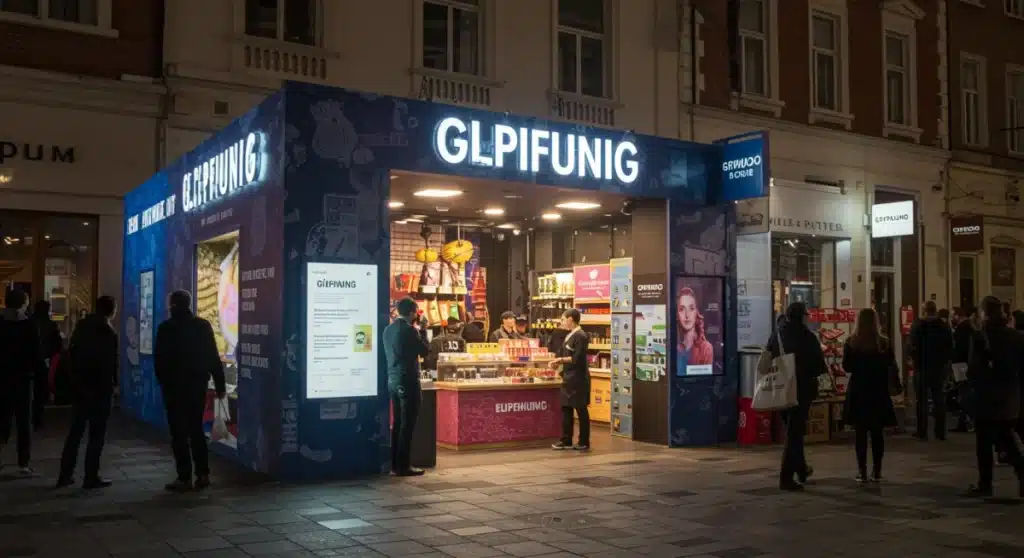
Pop-up stores are a strategic imperative for US retailers aiming to achieve a 15% increase in brand awareness within new markets by 2025, offering agile market entry and direct consumer engagement.
In the rapidly evolving retail landscape, understanding how to effectively penetrate new markets is crucial for growth. For US retailers, the strategic deployment of pop-up stores awareness initiatives presents an unparalleled opportunity to drive a significant 15% increase in brand awareness by 2025, particularly in uncharted territories. These temporary retail spaces offer agility, cost-effectiveness, and direct consumer engagement, making them an indispensable tool for modern market expansion.
The strategic advantage of pop-up stores in new markets
Pop-up stores provide a unique strategic advantage for US retailers looking to establish a foothold in new markets without the long-term commitments and substantial overheads of traditional brick-and-mortar locations. This flexibility allows for rapid market testing and immediate consumer feedback, which is invaluable for refining market entry strategies.
The ability to quickly set up and dismantle operations means retailers can experiment with various locations and demographics, optimizing their approach based on real-world results. This iterative process is far more efficient than the lengthy cycles associated with permanent store openings, offering a dynamic pathway to growth.
Cost-effectiveness and reduced risk
One of the most compelling aspects of pop-up stores is their inherent cost-effectiveness. By minimizing lease terms and build-out expenses, retailers can allocate more resources to marketing and product development, maximizing their impact in new markets.
- Lower initial investment compared to permanent stores.
- Reduced operational overheads, including utilities and staffing.
- Opportunity to test market viability before significant capital commitment.
- Flexibility to adapt to changing market conditions or consumer trends.
This reduced financial risk makes pop-up stores an attractive option for both emerging brands and established retailers seeking to innovate their expansion strategies. It allows for bold experimentation without jeopardizing long-term financial stability.
Ultimately, the strategic advantage of pop-up stores lies in their capacity to offer a low-risk, high-reward entry point into new markets, fostering brand recognition and gathering crucial data that informs future growth decisions.
Enhancing brand visibility and engagement
Beyond market entry, pop-up stores are exceptional vehicles for enhancing brand visibility and fostering deep consumer engagement. Their temporary nature creates a sense of urgency and exclusivity, drawing curious shoppers who might otherwise overlook a new brand.
These temporary spaces can be designed to be highly experiential, offering interactive elements, product demonstrations, and personalized services that leave a lasting impression. This direct, often intimate, interaction with the brand helps to build strong emotional connections with consumers, which is vital for long-term loyalty.
Creating memorable brand experiences
A well-executed pop-up store transforms a simple retail transaction into a memorable brand experience. Retailers can use these spaces to tell their brand story in a tangible way, immersing consumers in their values and unique selling propositions.
- Interactive product displays and demonstrations.
- Exclusive limited-edition product launches.
- Workshops, events, and brand collaborations.
- Personalized consultations and styling services.
Such experiences are shared widely on social media, generating organic buzz and extending the brand’s reach far beyond the physical location of the pop-up. This digital amplification is a powerful driver of brand awareness in new markets.
By focusing on experiential retail, pop-up stores go beyond mere sales, becoming powerful tools for brand building and community creation, fostering a loyal customer base from the outset.
Leveraging data and insights for market penetration
One of the often-underestimated benefits of pop-up stores is their capability to collect invaluable data and insights from new market consumers. This direct interaction provides a rich source of information about local preferences, purchasing behaviors, and demographic nuances that are difficult to obtain through traditional market research alone.
Retailers can use this real-time feedback to fine-tune their product offerings, marketing messages, and operational strategies for that specific market. This agile approach minimizes the risk of missteps and maximizes the potential for successful long-term market penetration.
Understanding consumer behavior firsthand
The direct nature of pop-up retail allows for an unfiltered view into consumer behavior. Staff can engage in conversations, observe interactions, and conduct informal surveys, gathering qualitative data that complements quantitative sales figures.
- Direct feedback on product appeal and pricing.
- Insights into local cultural preferences and trends.
- Identification of potential new customer segments.
- Analysis of foot traffic patterns and peak shopping times.
This granular level of understanding is crucial for developing a tailored strategy that resonates with the new market’s specific demands, ensuring that future investments are well-informed and targeted.
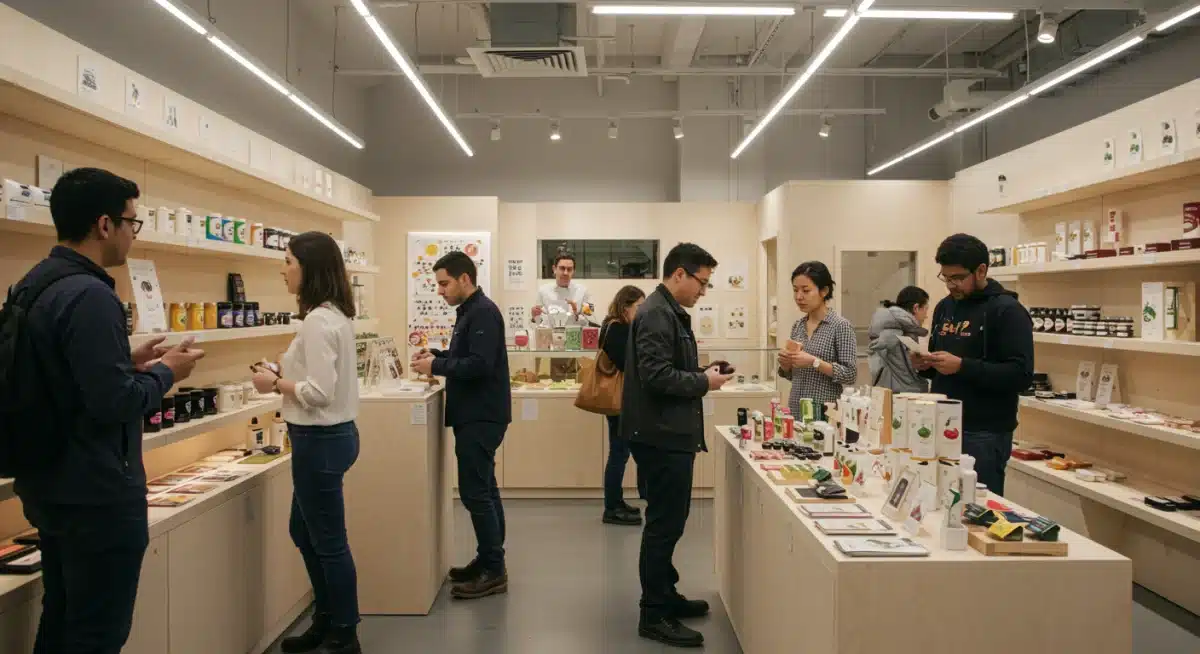
The data collected from pop-up store operations can then be used to validate assumptions, identify new opportunities, and iterate on business models before committing to more permanent structures, making it a cornerstone of smart expansion.
Strategic location and timing: maximizing impact
The success of a pop-up store heavily depends on its strategic location and timing. Choosing the right spot and opening during opportune periods can significantly amplify its impact, drawing maximum attention and generating considerable buzz in a new market.
High-traffic areas, event-specific locations, or neighborhoods undergoing revitalization can provide the perfect backdrop for a pop-up, ensuring high visibility and accessibility. Aligning the pop-up’s opening with local events, holidays, or seasonal trends can further enhance its relevance and appeal.
Identifying prime locations
Selecting a prime location involves more than just foot traffic; it requires understanding the demographics and psychographics of the area to ensure alignment with the target audience. Proximity to complementary businesses or cultural hubs can also be beneficial.
- Shopping districts with high pedestrian flow.
- Event venues during festivals or conferences.
- Trendy neighborhoods popular with the target demographic.
- Collaboration with existing businesses for shared exposure.
The temporary nature of pop-ups allows retailers to secure prime locations that might otherwise be unaffordable for a long-term lease, providing a unique window of opportunity to capture an audience.
Effective timing, coupled with a well-chosen location, transforms a pop-up from a temporary experiment into a powerful market entry statement, creating immediate impact and lasting brand recall.
Integrating pop-up stores with digital strategies
For US retailers, the true power of pop-up stores in driving brand awareness is unleashed when seamlessly integrated with robust digital marketing strategies. A pop-up should not operate in isolation but rather as a physical extension of an online presence, creating a synergistic effect that amplifies reach and engagement.
This integration allows for a holistic approach to customer acquisition and retention, bridging the gap between online discovery and offline experience. It ensures that every touchpoint, whether digital or physical, reinforces the brand message and drives consumers further down the sales funnel.
Amplify reach through online channels
Digital channels play a critical role in promoting pop-up stores and extending their impact. Social media campaigns, email marketing, and localized online advertising can generate excitement and drive foot traffic to the physical location.
- Pre-launch social media teasers and countdowns.
- Geo-targeted ads to reach local audiences.
- Email campaigns to existing customer bases in new markets.
- Influencer collaborations to create buzz and drive attendance.
Furthermore, the pop-up experience itself can be leveraged to generate user-generated content, with customers sharing their experiences online, further boosting organic brand awareness and credibility.
By connecting the physical and digital, retailers ensure that their pop-up initiatives are not just fleeting moments but integral components of a broader, more impactful market expansion strategy.
Measuring success and scaling future efforts
To truly understand the impact of pop-up stores on brand awareness and to inform future expansion, US retailers must establish clear metrics for success and rigorously measure their performance. This data-driven approach is essential for optimizing strategies and ensuring a positive return on investment.
Measuring everything from foot traffic and sales conversion rates to social media mentions and customer feedback provides a comprehensive picture of the pop-up’s effectiveness. These insights are then critical for scaling successful efforts and refining approaches in subsequent markets.
Key performance indicators for pop-ups
Defining specific KPIs before launching a pop-up is crucial. These indicators should align with the overall objectives of driving brand awareness and market penetration in new territories.
- Foot traffic and engagement rates.
- Sales performance and average transaction value.
- Social media mentions, impressions, and sentiment.
- Customer acquisition cost and lifetime value.
Beyond quantitative metrics, qualitative feedback from staff and customers offers valuable insights into the experiential aspects of the pop-up, helping to refine future designs and interactions.
By meticulously measuring and analyzing the performance of each pop-up, retailers can build a robust framework for repeatable success, confidently expanding their presence and achieving their brand awareness goals in new markets.
Future outlook: pop-up stores in 2025 and beyond
As we look towards 2025 and beyond, the role of pop-up stores in US retail is poised to become even more central to expansion strategies. Their inherent adaptability and capacity for innovation make them perfectly suited for a retail environment characterized by rapid change and evolving consumer expectations.
Retailers will increasingly leverage advanced analytics, AI-driven personalization, and immersive technologies within pop-up formats to create hyper-targeted and highly engaging experiences. The focus will shift towards even greater customization and responsiveness to local market demands, ensuring that each pop-up is a unique and impactful event.
Evolving trends and technological integration
The future of pop-up retail will be shaped by ongoing technological advancements that allow for more dynamic and data-rich experiences. From interactive digital displays to augmented reality try-ons, technology will continue to blur the lines between physical and digital retail.
- AI-powered recommendations based on real-time interactions.
- Virtual and augmented reality experiences within the physical space.
- Seamless integration with mobile commerce and loyalty programs.
- Sustainable and modular designs for rapid deployment and minimal environmental impact.
These innovations will enable pop-ups to offer unprecedented levels of personalization and convenience, further solidifying their position as a vital tool for brand awareness and market growth.
Ultimately, pop-up stores are not just a fleeting trend but a fundamental shift in how retailers approach market entry and consumer engagement, promising continued innovation and significant returns for those who embrace their full potential.
| Key Point | Brief Description |
|---|---|
| Market Entry Agility | Pop-ups offer low-risk, rapid market testing for US retailers in new territories. |
| Brand Engagement | Creates unique, memorable experiences driving strong consumer connections and loyalty. |
| Data Insights | Provides real-time consumer feedback for refined product offerings and strategies. |
| Digital Integration | Amplifies reach and impact through seamless connection with online marketing efforts. |
Frequently asked questions about pop-up stores
Pop-up stores create temporary, exclusive experiences that generate buzz and media attention. Their unique nature attracts new customers, encouraging social media shares and word-of-mouth marketing, significantly boosting visibility and recognition in new markets. This direct engagement is highly effective.
For US retailers, pop-ups offer reduced financial risk, allowing for market testing without long-term commitments. They provide direct consumer feedback, enable agile adaptation to local tastes, and create strong brand narratives, facilitating smoother and more informed market penetration strategies.
Yes, pop-up stores can effectively measure impact through various KPIs such as foot traffic, sales conversion rates, social media engagement, and direct customer feedback. These metrics provide valuable insights into consumer behavior and market reception, guiding future strategic decisions for retailers.
Pop-ups can be integrated with digital marketing through geo-targeted ads, social media campaigns, influencer collaborations, and email marketing. This synergy amplifies the reach of the physical store, drives online traffic, and leverages user-generated content, creating a cohesive brand experience.
Future trends include greater technological integration, such as AI-powered personalization and AR/VR experiences, alongside a focus on sustainability and modular designs. These advancements will enhance customer engagement, provide deeper insights, and make pop-ups even more dynamic and responsive to market needs.
Conclusion
The strategic deployment of pop-up stores is rapidly becoming an indispensable tool for US retailers aiming to significantly boost brand awareness and effectively penetrate new markets by 2025. Their inherent flexibility, cost-effectiveness, and capacity for creating memorable consumer experiences offer a compelling alternative to traditional expansion models. By embracing these temporary retail spaces, integrating them with digital strategies, and meticulously measuring their impact, retailers can not only achieve ambitious brand awareness goals but also gather critical insights that will shape their long-term success in an ever-evolving retail landscape. The future of retail expansion is agile, experiential, and increasingly powered by the dynamic potential of pop-up stores.