Micro-Influencer Power: Driving 7x Higher Engagement for Niche Markets in 2026

Micro-Influencer Power: Driving 7x Higher Engagement Than Macro-Influencers for Niche Markets in 2026
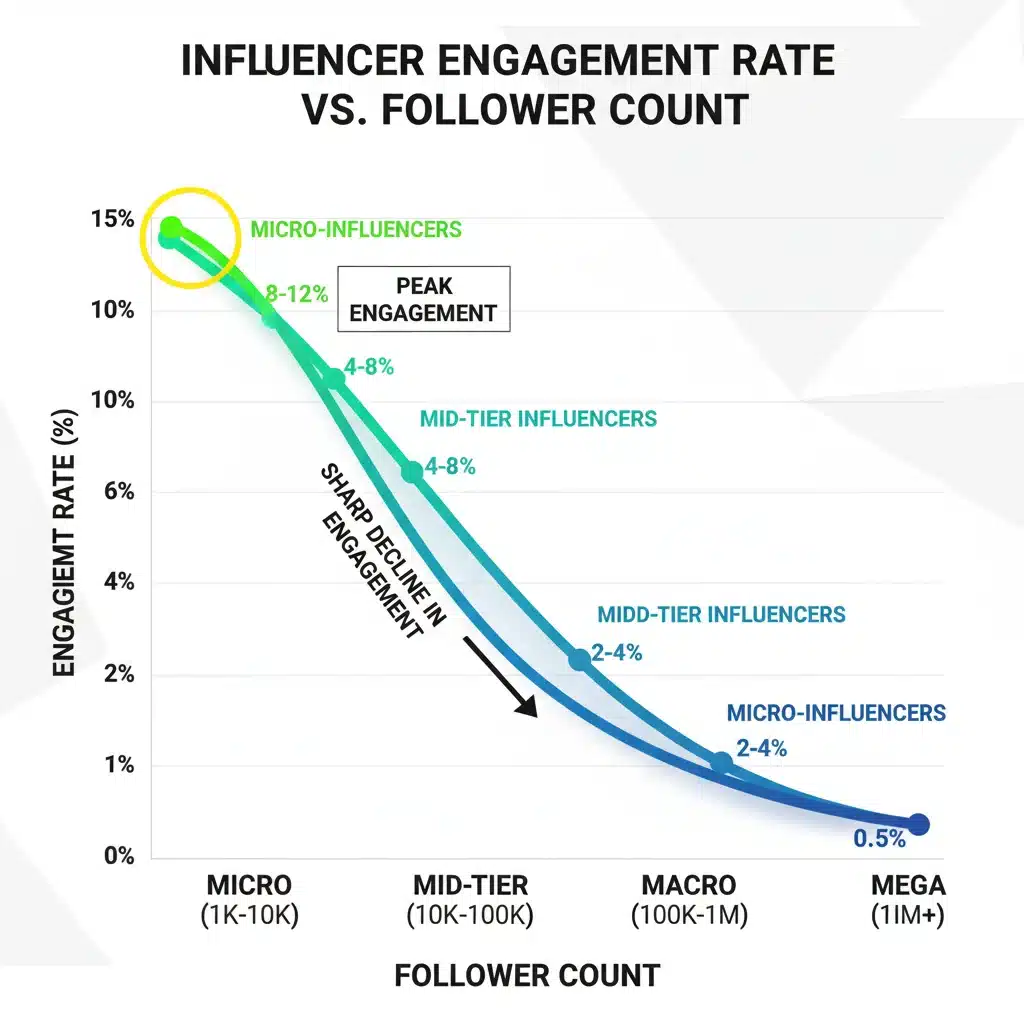
In the rapidly evolving landscape of digital marketing, the quest for authentic connection and genuine impact has never been more critical. As we approach 2026, a clear trend is emerging, one that promises to redefine how brands engage with their target audiences: the undeniable power of micro-influencer engagement niche strategies. Forget the fleeting allure of celebrity endorsements and the often-inflated reach of mega-influencers; the real magic is happening in the smaller, more intimate communities fostered by micro-influencers. These digital tastemakers, with their dedicated followings of 1,000 to 100,000 followers, are not just participants in the marketing ecosystem; they are its driving force, delivering an astonishing 7x higher engagement rate compared to their macro-influencer counterparts, especially within highly specialized niche markets.
The shift towards micro-influencers isn’t merely a fleeting trend; it’s a strategic imperative for brands seeking to cut through the noise and forge meaningful relationships with consumers. In an age of increasing skepticism towards traditional advertising, micro-influencers offer a beacon of authenticity. They are seen as trusted peers, experts in their specific fields, and their recommendations carry significant weight within their communities. This article will delve deep into why micro-influencers are poised to dominate the marketing sphere for niche markets in 2026, exploring the mechanisms behind their superior engagement, outlining practical strategies for successful collaboration, and forecasting the future trajectory of this transformative marketing approach.
Understanding the Micro-Influencer Phenomenon: Why Smaller is Indeed Better
To truly grasp the impact of micro-influencer engagement niche strategies, we must first understand what differentiates a micro-influencer from other tiers of digital personalities. Unlike celebrities or macro-influencers (typically with 100,000 to 1 million followers), micro-influencers cultivate a more focused and intimate relationship with their audience. Their followers often share a common passion, interest, or demographic, creating a highly cohesive and engaged community. This isn’t just about follower count; it’s about the quality of connection and the perceived authenticity.
The Authenticity Advantage
One of the primary drivers of superior micro-influencer engagement is authenticity. Micro-influencers are often perceived as more genuine and relatable than their larger counterparts. They haven’t reached a level of fame where their content feels overly commercialized or detached. Their recommendations often come across as personal suggestions from a trusted friend, rather than paid advertisements. This authenticity fosters a deeper level of trust, which directly translates into higher engagement rates, including likes, comments, shares, and crucially, conversions.
Niche Expertise and Relevance
Micro-influencers typically specialize in a very specific niche. Whether it’s sustainable living, obscure indie games, artisanal coffee brewing, or specific dietary needs, they possess deep knowledge and passion for their chosen subject. This specialization makes them incredibly valuable to brands operating within those same niche markets. When a micro-influencer endorses a product or service, their audience trusts that recommendation because it comes from someone they view as an expert in that specific area. This targeted relevance ensures that the marketing message reaches an audience already predisposed to be interested, significantly boosting the effectiveness of the campaign and driving unparalleled micro-influencer engagement niche results.
Community Over Mass Appeal
Macro-influencers often aim for broad appeal, which can dilute their impact. Micro-influencers, conversely, thrive on community. Their smaller audience size allows for more direct interaction, personalized responses, and a stronger sense of belonging. This fosters a highly interactive environment where followers feel heard and valued. Brands leveraging micro-influencers tap into these tight-knit communities, gaining access to a highly receptive and engaged audience that is more likely to act on recommendations.
The Data Speaks: 7x Higher Engagement Explained
The statistic of 7x higher engagement is not an arbitrary figure; it’s a reflection of fundamental differences in audience dynamics and influencer-follower relationships. Several factors contribute to this significant disparity:
- Proximity and Accessibility: Micro-influencers are often more accessible to their followers. They respond to comments, engage in direct messages, and participate in community discussions, creating a sense of personal connection that larger influencers simply cannot maintain.
- Trust and Credibility: As mentioned, their perceived authenticity and expertise translate into higher trust. When a micro-influencer recommends a product, it’s often viewed as a genuine endorsement rather than a transactional one.
- Targeted Audience: Micro-influencers have highly segmented audiences. This means that a brand’s message is delivered to consumers who are already highly interested in the product or service category, leading to more relevant interactions and higher conversion potential.
- Lower Follower Fatigue: Audiences of micro-influencers are less likely to experience ‘influencer fatigue’ because the content often feels more personal and less overtly promotional.
Strategic Advantages for Niche Markets in 2026
For niche markets, the benefits of focusing on micro-influencer engagement niche strategies are particularly pronounced. Niche brands often struggle to compete with larger corporations on mass advertising budgets. Micro-influencers provide an accessible, cost-effective, and highly efficient alternative.
Cost-Effectiveness and ROI
Micro-influencers typically charge significantly less than macro-influencers or celebrities, making them a highly attractive option for brands with limited marketing budgets. Despite the lower cost, their higher engagement rates often translate into a superior return on investment (ROI). A campaign with 10 micro-influencers can often generate more meaningful engagement and conversions than a single campaign with an expensive macro-influencer.
Precision Targeting
Niche markets require precision. Blanket advertising rarely works. Micro-influencers allow brands to pinpoint their exact target audience with surgical accuracy. For example, a brand selling organic, gluten-free dog treats would find far more success partnering with a micro-influencer focused on holistic pet health than a general pet influencer with millions of followers, many of whom may not align with the brand’s specific values or product offerings.
Building Brand Advocates
Successful collaborations with micro-influencers can transform them into genuine brand advocates. When micro-influencers truly believe in a product, their passion resonates deeply with their audience, creating a ripple effect of organic recommendations and positive word-of-mouth. This advocacy is invaluable for niche brands looking to build a loyal customer base and establish a strong community around their products.
Implementing Effective Micro-Influencer Marketing Strategies for Niche Markets
To harness the full potential of micro-influencer engagement niche, brands need a well-defined strategy. It’s not enough to simply find influencers; success lies in thoughtful collaboration and a deep understanding of their communities.
1. Define Your Niche and Campaign Goals
Before reaching out to any micro-influencers, clearly define your target niche, specific campaign objectives, and key performance indicators (KPIs). Are you aiming for brand awareness, lead generation, sales, or community building? Having clear goals will guide your influencer selection and content strategy.
2. Identify the Right Micro-Influencers
This is perhaps the most crucial step. Look beyond follower count. Focus on:
- Relevance: Do their content and audience align perfectly with your niche product or service?
- Engagement Rate: Look at the ratio of likes, comments, and shares to their follower count. Tools can help calculate this.
- Authenticity and Brand Fit: Do their values align with your brand? Is their content genuine and not overly saturated with promotions?
- Audience Demographics: Ensure their audience matches your ideal customer profile.
- Content Quality: Do they produce high-quality, engaging content that would effectively showcase your product?
Platforms like Upfluence, Grin, and AspireIQ can help streamline this discovery process, but manual research through relevant hashtags and community groups can also yield excellent results for highly specific niches.
3. Foster Genuine Relationships
Approach micro-influencers as partners, not just transactional assets. Personalize your outreach, demonstrate that you’ve genuinely engaged with their content, and explain why you believe your brand would be a good fit for their audience. Offer fair compensation, whether it’s monetary, free products, or affiliate commissions. Long-term relationships often yield the best results, transforming influencers into loyal brand advocates.
4. Co-Create Authentic Content
Give micro-influencers creative freedom. They know their audience best. Provide them with clear guidelines regarding your brand message and any mandatory disclosures, but allow them to integrate your product or service into their unique content style. This ensures the promotion feels organic and authentic, maximizing micro-influencer engagement niche impact.
5. Track and Analyze Performance
Measure the success of your campaigns against your initial KPIs. Track metrics such as:
- Engagement Rate: Likes, comments, shares per post.
- Reach and Impressions: How many unique users saw the content.
- Website Traffic: Referrals from influencer links.
- Conversions: Sales, sign-ups, downloads directly attributed to the campaign.
- Audience Sentiment: Qualitative analysis of comments and feedback.
Use unique tracking links, discount codes, or landing pages to accurately attribute results to specific influencers. This data is crucial for optimizing future campaigns and proving the ROI of your micro-influencer engagement niche strategy.

Challenges and Considerations
While the benefits are substantial, there are challenges to navigate when implementing a micro-influencer strategy:
- Scalability: Managing numerous micro-influencer relationships can be time-consuming. Brands may need to invest in influencer management platforms or dedicated personnel.
- Finding the Right Fit: Identifying truly authentic and relevant micro-influencers amidst a crowded digital space requires diligent research.
- Maintaining Brand Voice: While creative freedom is important, ensuring that the influencer’s content aligns with your brand’s overall messaging requires clear communication and guidance.
- Legal and Ethical Compliance: Ensuring influencers properly disclose sponsored content is paramount to maintaining trust and complying with advertising regulations.
The Future of Micro-Influencer Engagement in Niche Markets Beyond 2026
The trajectory for micro-influencer engagement niche strategies is unequivocally upward. As consumers become more discerning and ad-averse, the demand for authentic, peer-driven recommendations will only intensify. We can expect several key developments:
Hyper-Niche Specialization
The trend towards even more granular niche specialization will continue. We’ll see micro-influencers emerge for increasingly specific interests, offering brands unparalleled opportunities for hyper-targeted marketing. This could include influencers focused on specific sub-genres of hobbies, highly specialized professional fields, or unique lifestyle segments.
Advanced AI-Powered Matching Tools
AI and machine learning will play an increasingly sophisticated role in identifying, vetting, and matching micro-influencers with brands. These tools will go beyond basic demographics to analyze sentiment, audience psychographics, and historical performance, ensuring even more precise and effective partnerships that amplify micro-influencer engagement niche.
Performance-Based Compensation Models
As the industry matures, there will be a greater emphasis on performance-based compensation, linking influencer payments directly to measurable outcomes like sales or conversions. This incentivizes influencers to produce high-quality, impactful content and further aligns their goals with those of the brands they represent.
Integration with Broader Marketing Strategies
Micro-influencer marketing will become seamlessly integrated into holistic digital marketing strategies, working in tandem with content marketing, SEO, and paid advertising to create a synergistic approach that maximizes reach and impact. The insights gained from micro-influencer campaigns will also inform broader content creation and product development.
Conclusion: Embracing the Micro-Influencer Revolution
The evidence is clear: for brands targeting niche markets, micro-influencers are not just an option; they are a necessity for achieving meaningful results in 2026 and beyond. Their ability to deliver 7x higher engagement stems from their authenticity, niche expertise, and deep community connections. By embracing a strategic approach to micro-influencer engagement niche, brands can unlock unparalleled levels of trust, relevance, and conversion, transforming their marketing efforts from broad-stroke campaigns into precision-guided initiatives that resonate deeply with their most valuable customers.
As the digital landscape continues to evolve, the smart money is on those who understand that genuine influence isn’t always measured in millions of followers, but in the strength of connection and the depth of engagement within passionate, dedicated communities. The micro-influencer revolution is here, and it’s time for brands to fully harness its immense power.