E-commerce Environmental Regulations 2026: Sustainable Packaging & Shipping Compliance

E-commerce Environmental Regulations 2026: 3 Compliance Must-Haves for Sustainable Packaging and Shipping
The digital marketplace is constantly evolving, and with it, the expectations for corporate responsibility. As we approach 2026, e-commerce businesses face an increasingly complex landscape of environmental regulations. These aren’t just suggestions; they are becoming legal mandates that will profoundly impact how products are packaged, shipped, and ultimately, how businesses operate. Ignoring these shifts is no longer an option; proactive compliance is key to survival and success in the modern e-commerce world. This comprehensive guide will delve into the critical e-commerce environmental regulations slated for 2026, focusing on three non-negotiable compliance must-haves for sustainable packaging and shipping that every online retailer needs to implement.
The urgency for stricter environmental controls in e-commerce stems from several factors. The sheer volume of online orders has led to an exponential increase in packaging waste, carbon emissions from logistics, and resource depletion. Consumers are also more environmentally conscious than ever, actively seeking out brands that align with their values. Governments worldwide are responding to these pressures with new legislation designed to mitigate environmental damage and foster a more sustainable economy. For e-commerce businesses, this means a paradigm shift from purely transactional operations to a model that integrates environmental stewardship at every stage of the supply chain. Understanding and adapting to these e-commerce environmental regulations is not just about avoiding penalties; it’s about building a resilient, reputable, and future-proof business.
This article will serve as your essential roadmap to navigate the impending changes. We’ll explore the overarching trends in environmental policy, dissect specific regulatory frameworks emerging globally, and provide actionable insights into how your e-commerce business can not only comply but thrive by embracing sustainable practices. From material selection to logistics optimization, every decision will need to be viewed through an environmental lens. Let’s prepare your business for the future of sustainable e-commerce.
The Shifting Landscape of E-commerce Environmental Regulations
Before diving into specific compliance points, it’s crucial to understand the broader context of why e-commerce environmental regulations are becoming so stringent. The global commitment to combat climate change, reduce plastic pollution, and promote a circular economy is driving legislative efforts across continents. Regions like the European Union are often at the forefront, implementing ambitious directives that frequently set a precedent for other nations. The United States, while having a more fragmented regulatory landscape, is also seeing increasing state-level initiatives and federal pressures towards greater environmental accountability. Asia, particularly countries like China and India, are also stepping up their environmental game, recognizing the immense impact of their manufacturing and consumption patterns.
Global Trends Driving New Environmental Mandates
- Extended Producer Responsibility (EPR) Schemes: This is perhaps the most significant trend impacting packaging. EPR places the financial and/or operational responsibility for the end-of-life treatment of products and packaging on the producers. This means e-commerce businesses are increasingly accountable for the entire lifecycle of their packaging, from design to disposal. Many countries are expanding existing EPR schemes or introducing new ones, demanding businesses contribute to collection, sorting, and recycling infrastructure.
- Plastic Reduction Targets: The war on plastic waste continues to escalate. We’re seeing bans on single-use plastics, mandates for minimum recycled content in packaging, and taxes on virgin plastic. E-commerce businesses, traditionally heavy users of plastic packaging, are directly in the crosshairs of these regulations.
- Carbon Emission Reduction Goals: While often targeting larger industries, carbon reduction goals indirectly impact e-commerce through logistics and supply chain emissions. There’s a growing push for transparency in carbon footprint reporting and incentives for businesses to adopt greener transportation methods and energy-efficient operations.
- Consumer Demand for Sustainability: Beyond regulations, consumer preferences are a powerful driver. A significant portion of online shoppers now actively seek out sustainable brands and are willing to pay a premium for eco-friendly products and packaging. This creates both a challenge and an opportunity for businesses to differentiate themselves.
These overarching trends coalesce into the specific e-commerce environmental regulations that will define compliance in 2026. Businesses that begin to integrate sustainability into their core strategy now will be far better positioned than those who wait for mandatory enforcement. The shift is not merely about compliance; it’s about competitive advantage and brand reputation.
Must-Have 1: Comprehensive Sustainable Packaging Compliance
Packaging is often the first point of contact between an e-commerce business and its customer, and it’s also a major source of environmental impact. The e-commerce environmental regulations for 2026 place significant emphasis on sustainable packaging. This isn’t just about using a recyclable box; it encompasses a holistic approach to material selection, design, and end-of-life management.
A. Material Selection and Recycled Content Mandates
One of the most immediate and impactful areas of compliance relates to the materials used for packaging. Many jurisdictions are implementing strict requirements for minimum recycled content. For instance, the EU Packaging and Packaging Waste Regulation (PPWR) aims to increase recycled content targets significantly. This means e-commerce businesses will need to:
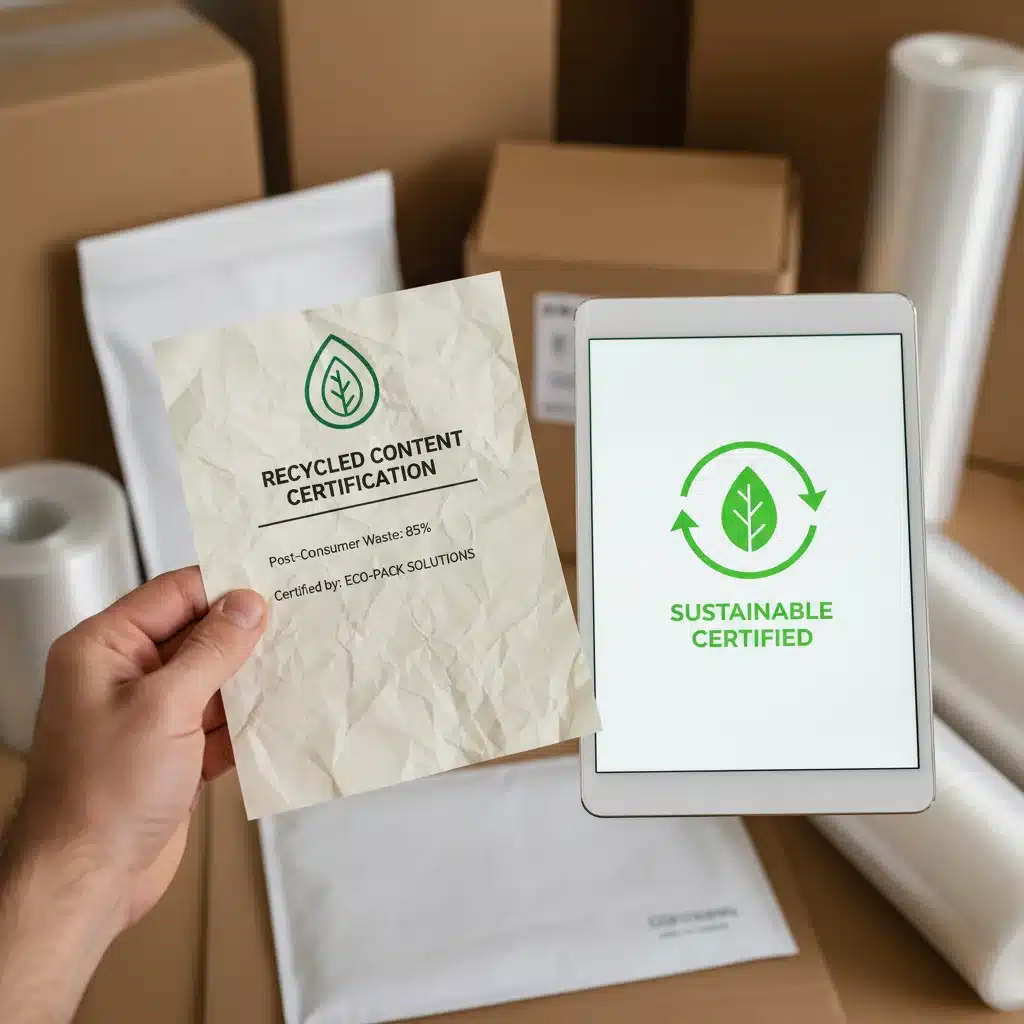
- Prioritize Recycled Materials: Source packaging made from a high percentage of post-consumer recycled (PCR) content. This applies to cardboard, plastics, and other common packaging types. Businesses must be able to verify the recycled content claims of their suppliers.
- Avoid Problematic Materials: Phasing out hard-to-recycle plastics, styrofoam, and excessive multi-material packaging that hinders recycling processes will be crucial. Single-material packaging, especially paper-based or easily recyclable plastics, will become the norm.
- Explore Biodegradable and Compostable Options: While not a universal solution, for certain products, certified compostable or biodegradable packaging can be an option, particularly where industrial composting infrastructure is available. However, businesses must be wary of ‘greenwashing’ and ensure these materials genuinely break down without leaving harmful residues.
- Lightweighting: Reducing the overall weight and volume of packaging not only saves on material costs but also reduces shipping emissions. This involves optimizing packaging design to be as lean as possible while still protecting the product.
B. Packaging Design for Reusability and Recyclability (Eco-Design)
Beyond the materials themselves, the design of packaging is coming under intense scrutiny. Eco-design principles are becoming central to e-commerce environmental regulations. This means designing packaging with its entire lifecycle in mind:
- Design for Recycling: Ensure packaging components can be easily separated and recycled. Avoid complex constructions that mix incompatible materials. Clear labeling for proper disposal is also becoming mandatory in many regions.
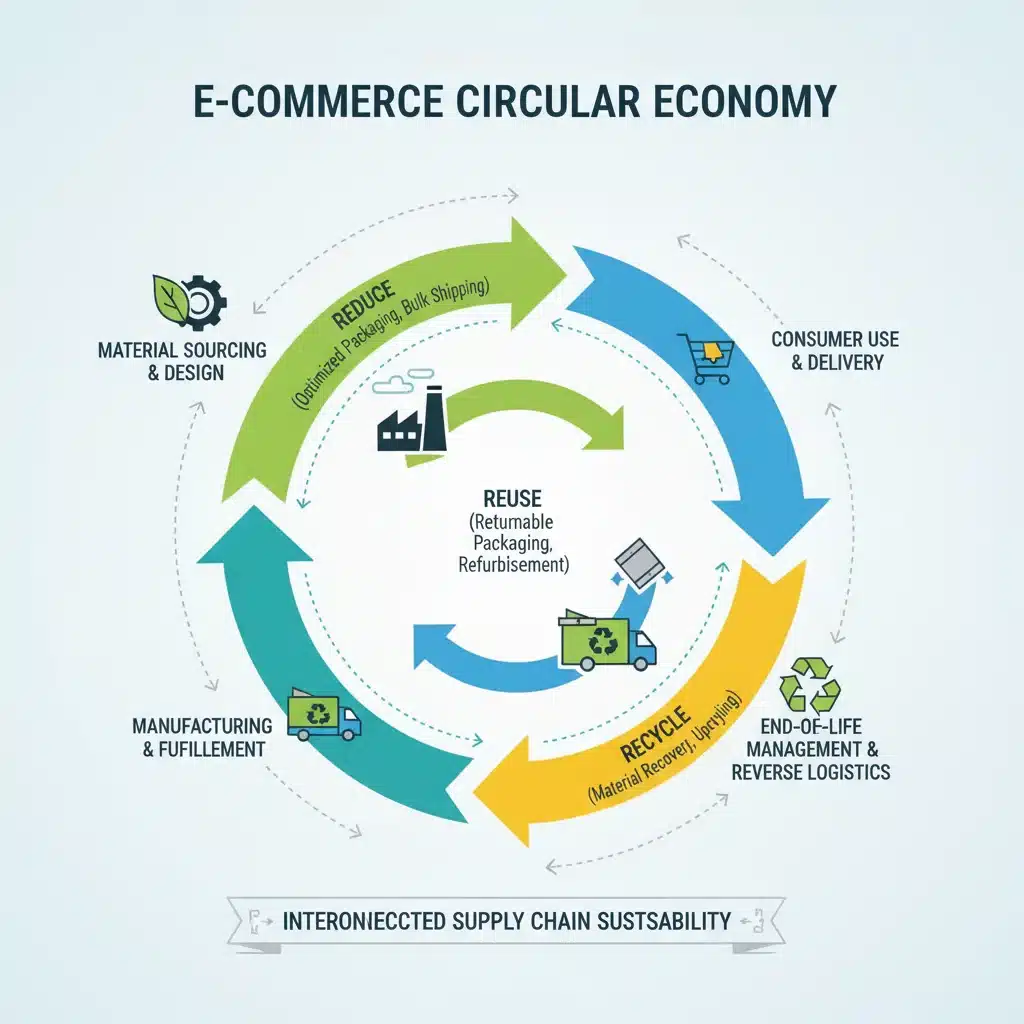
- Design for Reusability: For certain product categories, reusable packaging models are gaining traction. This could involve durable, returnable packaging systems or packaging designed for multiple uses by the consumer before eventual recycling. While logistically more complex, this aligns perfectly with circular economy principles and future e-commerce environmental regulations.
- Eliminate Void Fill: Excessive void fill (packing peanuts, bubble wrap) not only wastes material but also increases package volume. Businesses should optimize box sizes and explore more sustainable void fill alternatives like crinkled paper, mushroom-based packaging, or even product-specific inserts that eliminate the need for extra fill.
- Minimalist Branding: While branding is important, excessive inks and finishes can hinder recyclability. Opt for minimalist designs using water-based inks and avoiding metallic foils or heavy coatings when possible.
C. EPR Compliance and Data Reporting
As mentioned, Extended Producer Responsibility (EPR) schemes are a cornerstone of future e-commerce environmental regulations. For businesses operating internationally, this means navigating a patchwork of different national and regional EPR requirements. Compliance typically involves:
- Registration: Registering with relevant EPR organizations in each country where you sell and place packaging on the market.
- Declaration and Reporting: Regularly declaring the types and quantities of packaging materials (by weight) placed on the market. This data is used to calculate your financial contributions to the recycling infrastructure.
- Financial Contributions: Paying fees based on the volume and type of packaging materials. These fees fund the collection, sorting, and recycling of packaging waste.
- Due Diligence: Ensuring your suppliers are also compliant with their own EPR obligations, as responsibility can sometimes extend upstream.
The complexity of EPR compliance, especially for businesses selling across multiple borders, necessitates robust internal systems or partnerships with specialized compliance providers. Accurate data collection and reporting will be paramount to avoid penalties and ensure adherence to e-commerce environmental regulations.
Must-Have 2: Optimized and Low-Emission Shipping & Logistics
Beyond packaging, the actual movement of goods from warehouse to doorstep is a significant contributor to the environmental footprint of e-commerce. Future e-commerce environmental regulations will increasingly target logistics emissions and demand greater transparency and reduction efforts.
A. Carbon Footprint Measurement and Reporting
You can’t manage what you don’t measure. A fundamental step towards compliance with e-commerce environmental regulations regarding shipping is to accurately measure your carbon footprint. This includes:
- Scope 1, 2, and 3 Emissions: While direct emissions (Scope 1) and purchased energy emissions (Scope 2) are important, for e-commerce, Scope 3 emissions (indirect emissions from the value chain, including transportation and distribution) are particularly critical. This means tracking emissions from your carriers, warehousing, and even returns.
- Tools and Methodologies: Utilize industry-standard tools and methodologies (e.g., GHG Protocol) to calculate emissions. Many logistics providers now offer carbon reporting services, or specialized software can integrate with your e-commerce platform.
- Transparency: Be prepared to report these emissions, potentially to regulatory bodies, but also increasingly to consumers who are interested in a brand’s environmental performance. Publicly sharing your carbon footprint can be a powerful differentiator.
B. Sustainable Transportation and Delivery Solutions
Reducing emissions requires concrete actions in your logistics operations. E-commerce environmental regulations will favor businesses that actively pursue greener shipping methods:
- Carrier Selection: Partner with logistics providers who are investing in low-emission fleets (electric vehicles, alternative fuels), optimizing routes, and using renewable energy in their operations. Inquire about their sustainability certifications and targets.
- Route Optimization: Implement advanced route planning software to minimize mileage, reduce fuel consumption, and consolidate deliveries. This is not only environmentally friendly but also cost-effective.
- Last-Mile Innovation: The ‘last mile’ of delivery is often the most emission-intensive. Explore options like electric bikes, cargo bikes, or even drone delivery (where feasible and regulated) for urban areas. Utilizing local pick-up points or lockers can also reduce individual delivery trips.
- Warehouse Location Optimization: Strategically locating warehouses closer to customer bases can significantly reduce transit distances and associated emissions.
- Green Freight Programs: Participate in or align with green freight programs that promote fuel efficiency and emissions reductions across the supply chain.
C. Reverse Logistics and Returns Management
The rise of e-commerce has also led to a surge in product returns, creating a significant environmental challenge. Efficient and sustainable reverse logistics will become a key component of e-commerce environmental regulations:
- Reduce Returns: Implement strategies to minimize returns in the first place, such as accurate product descriptions, detailed sizing guides, and virtual try-on tools.
- Optimized Return Shipping: Encourage customers to use consolidated return shipping, or provide options for dropping off returns at centralized points to reduce individual parcel movements.
- Reuse and Resale: Establish processes for inspecting, refurbishing, and reselling returned items. This avoids sending functional products to landfills.
- Recycling and Responsible Disposal: For items that cannot be resold or reused, ensure components are properly recycled or disposed of in an environmentally sound manner, adhering to waste management regulations.
Addressing the environmental impact of shipping and logistics is a complex undertaking, but essential for compliance with evolving e-commerce environmental regulations. It requires a strategic approach that integrates sustainability into every decision, from initial product sourcing to final delivery and returns.
Must-Have 3: Supply Chain Transparency and Ethical Sourcing
While packaging and shipping are highly visible, the broader supply chain’s environmental and social impact is increasingly under scrutiny. E-commerce environmental regulations are expanding to demand greater transparency and accountability for the entire value chain, pushing businesses to ensure ethical and sustainable sourcing practices.
A. Due Diligence and Supplier Audits
Knowing where your products come from and how they are made is no longer a ‘nice-to-have’ but a regulatory imperative. This involves:
- Supplier Mapping: Gaining a clear understanding of your entire supply chain, from raw material extraction to manufacturing. Identify all direct and indirect suppliers.
- Risk Assessment: Assess environmental and social risks within your supply chain, including potential for deforestation, water pollution, unethical labor practices, and high carbon emissions.
- Supplier Codes of Conduct: Establish clear environmental and social standards for your suppliers and integrate these into contractual agreements.
- Auditing and Verification: Conduct regular audits of your suppliers, either directly or through third-party certification bodies, to ensure compliance with your standards and relevant e-commerce environmental regulations. Verify claims of sustainable practices and certifications.
B. Certifications and Eco-Labels
Navigating the world of eco-labels and certifications can be daunting, but they are becoming vital for demonstrating compliance and building consumer trust. E-commerce businesses should:
- Understand Relevant Certifications: Research and understand the most credible and recognized environmental certifications for your industry (e.g., FSC for wood/paper, GOTS for organic textiles, Fair Trade, B Corp certification for overall sustainability).
- Prioritize Certified Suppliers: Actively seek out suppliers who hold reputable environmental and social certifications. This simplifies your own due diligence process.
- Communicate Certifications Clearly: If your products or packaging are certified, clearly communicate this to your customers through your website, product listings, and packaging. This builds trust and helps customers make informed choices.
- Avoid Greenwashing: Be genuinely committed to the principles behind certifications. Misleading or unsubstantiated environmental claims (greenwashing) are increasingly being targeted by consumer protection agencies and can severely damage brand reputation.
C. Product Lifecycle Assessment (LCA) Integration
A Product Lifecycle Assessment (LCA) is a methodology to assess the environmental impacts associated with all stages of a product’s life, from raw material extraction through materials processing, manufacturing, distribution, use, repair and maintenance, and disposal or recycling. Integrating LCA into your business strategy will be a powerful tool for meeting future e-commerce environmental regulations:
- Identify Hotspots: LCA helps pinpoint the stages in a product’s lifecycle where the greatest environmental impacts occur, allowing you to focus your reduction efforts where they will be most effective.
- Informed Decision-Making: Use LCA data to make informed decisions about material choices, manufacturing processes, packaging design, and transportation methods.
- Continuous Improvement: View LCA as an ongoing process of assessment and improvement, continually seeking ways to reduce your products’ environmental footprint.
- Regulatory Compliance: As e-commerce environmental regulations become more sophisticated, LCA data may be required for certain product categories or for demonstrating adherence to specific environmental performance standards.
Establishing a transparent and ethically sourced supply chain is a long-term endeavor, but it’s one that will define responsible e-commerce businesses in 2026 and beyond. It requires commitment, investment, and a willingness to collaborate with suppliers to drive systemic change.
The Business Benefits of Proactive E-commerce Environmental Regulations Compliance
While the focus has been on compliance, it’s crucial to recognize that embracing these e-commerce environmental regulations offers significant business advantages beyond simply avoiding penalties:
- Enhanced Brand Reputation and Customer Loyalty: Consumers are increasingly choosing brands that demonstrate genuine environmental responsibility. Proactive compliance builds trust and fosters loyalty.
- Competitive Advantage: Businesses that lead in sustainability can differentiate themselves in a crowded market, attracting eco-conscious customers and potentially new talent.
- Cost Savings: Optimizing packaging to reduce material use, lightweighting, and improving logistics efficiency often lead to significant cost reductions in the long run.
- Reduced Risk: Proactive compliance minimizes the risk of fines, legal challenges, supply chain disruptions due to non-compliant suppliers, and reputational damage.
- Innovation and Efficiency: The drive for sustainability often sparks innovation in product design, packaging materials, and operational processes, leading to greater overall efficiency.
- Access to New Markets and Investment: Many investors and even some marketplaces are now prioritizing businesses with strong ESG (Environmental, Social, and Governance) performance. Compliance can open doors to new funding and market opportunities.
The journey towards full compliance with e-commerce environmental regulations by 2026 is not a sprint but a marathon. It requires a strategic, integrated approach that touches every aspect of your business. Start by conducting an internal audit of your current packaging, shipping, and supply chain practices. Identify your biggest environmental impacts and prioritize areas for improvement. Engage with your suppliers, educate your team, and consider partnering with sustainability consultants or technology providers who can help streamline your efforts.
Conclusion: Future-Proofing Your E-commerce Business for 2026 and Beyond
The impending e-commerce environmental regulations for 2026 signal a fundamental shift in how online businesses must operate. The three compliance must-haves – comprehensive sustainable packaging, optimized low-emission shipping, and transparent ethical sourcing – are not merely checkboxes to tick. They represent a new paradigm for responsible business conduct.
For e-commerce businesses, the time to act is now. Delaying action will only lead to greater challenges, increased costs, and potential regulatory non-compliance. By proactively embracing these changes, investing in sustainable practices, and fostering a culture of environmental responsibility, your business can not only meet the demands of future e-commerce environmental regulations but also emerge as a leader in the sustainable digital economy. The future of e-commerce is green, and those who adapt will be the ones to thrive.
Start your journey today. Assess your current practices, identify areas for improvement, and begin implementing the necessary changes to ensure your e-commerce business is fully prepared for the environmental mandates of 2026 and well into the future. The health of our planet, and the longevity of your business, depend on it.