Predictive Maintenance for Retail: Boost Efficiency with Data Analytics in 2025
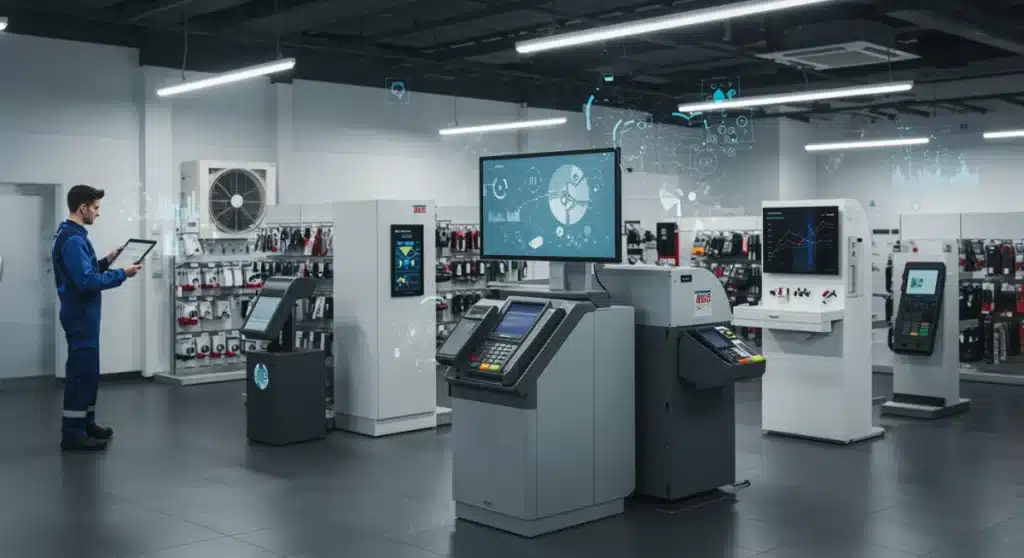
Predictive maintenance, driven by sophisticated data analytics, is projected to cut retail operational downtime by 15% in 2025, ensuring seamless store functionality and improved customer experiences.
Imagine a retail environment where equipment failures are no longer a surprise, but rather anticipated and addressed proactively. This isn’t a futuristic dream; it’s the tangible reality offered by predictive maintenance for retail operations: reducing downtime by 15% with data analytics in 2025. Retailers are increasingly recognizing the immense value in leveraging data to preempt potential issues, moving beyond reactive repairs to a strategic, forward-thinking approach that directly impacts their bottom line and customer satisfaction.
The imperative for predictive maintenance in retail
Retail operations are a complex web of interconnected systems, from HVAC and refrigeration units to point-of-sale (POS) systems and digital signage. A single equipment failure can trigger a cascade of problems, leading to lost sales, damaged inventory, and a tarnished brand reputation. Traditional maintenance approaches, often reactive or time-based, simply can’t keep pace with the demands of modern retail.
The shift towards predictive maintenance isn’t merely an upgrade; it’s an evolutionary step. By analyzing data from sensors, historical performance, and even external factors like weather patterns, retailers can identify subtle deviations that signal impending failure. This allows for scheduled maintenance during off-peak hours, minimizing disruption and ensuring that stores remain fully operational when it matters most.
Understanding the cost of downtime
Downtime in retail isn’t just about a broken machine; it’s about lost revenue, frustrated customers, and operational inefficiencies. Quantifying this cost helps in building a strong case for investing in advanced maintenance strategies.
- Lost Sales: When POS systems fail, transactions halt, directly impacting daily sales targets.
- Customer Dissatisfaction: A malfunctioning HVAC system can make a store uncomfortable, driving customers away.
- Inventory Damage: Refrigeration unit failures can lead to spoilage of perishable goods, resulting in significant financial losses.
- Employee Productivity: Staff may spend valuable time troubleshooting issues instead of serving customers or managing inventory.
Embracing predictive maintenance transforms these potential liabilities into opportunities for continuous improvement and sustained profitability. It’s about building resilience into the very fabric of retail operations.
Leveraging data analytics for proactive insights
The heart of predictive maintenance beats with data analytics. Retailers generate vast amounts of operational data daily, often without fully realizing its potential. This data, when properly collected, processed, and analyzed, can unlock profound insights into equipment health and performance.
Advanced analytical tools, including machine learning algorithms, are capable of detecting patterns and anomalies that human observation might miss. These algorithms learn from historical data, identifying correlations between various parameters and eventual equipment failures. The more data they process, the more accurate their predictions become.
Key data sources for predictive models
To build robust predictive models, a diverse range of data inputs is crucial. Integrating these sources provides a holistic view of equipment status and operational context.
- Sensor Data: Temperature, vibration, pressure, energy consumption from IoT-enabled devices.
- Historical Maintenance Records: Dates of repairs, types of failures, parts replaced, and technician notes.
- Operational Data: Equipment runtime, usage intensity, load variations.
- Environmental Data: Store temperature, humidity, external weather conditions impacting outdoor units.
By effectively aggregating and analyzing these data streams, retailers can move beyond guesswork, making informed decisions that optimize maintenance schedules and extend asset lifespans. This data-driven approach is fundamental to achieving significant downtime reductions.
Implementing predictive maintenance: a step-by-step guide
Adopting predictive maintenance requires a structured approach, moving from initial assessment to full-scale implementation and continuous improvement. It’s not an overnight transformation but a strategic journey that yields substantial long-term benefits.
The first step involves identifying critical assets within the retail environment. Not all equipment will benefit equally from predictive maintenance; prioritizing high-value, high-impact assets ensures the most efficient allocation of resources. Following this, the focus shifts to data collection and integration, ensuring that relevant information is captured and made accessible for analysis.
Choosing the right technology and partners
Selecting appropriate technologies and collaborating with experienced partners are pivotal for successful implementation. The market offers a wide array of solutions, from specialized IoT sensors to comprehensive enterprise asset management (EAM) systems with integrated analytics capabilities.
- IoT Sensors: For real-time data collection from various equipment types.
- Cloud Platforms: To store and process large volumes of data securely and scalably.
- AI/ML Software: For pattern recognition, anomaly detection, and predictive modeling.
- Integration Specialists: To ensure seamless data flow between disparate systems.
A well-chosen technology stack and a reliable implementation partner can significantly accelerate the transition to a predictive maintenance model, ensuring that the system is tailored to the specific needs and complexities of retail operations.
Measuring impact and achieving a 15% downtime reduction
The goal of reducing downtime by 15% by 2025 is ambitious but entirely achievable with a well-executed predictive maintenance strategy. Measurement is key to demonstrating success and identifying areas for further optimization. Establishing clear baseline metrics before implementation is crucial for accurately tracking progress.
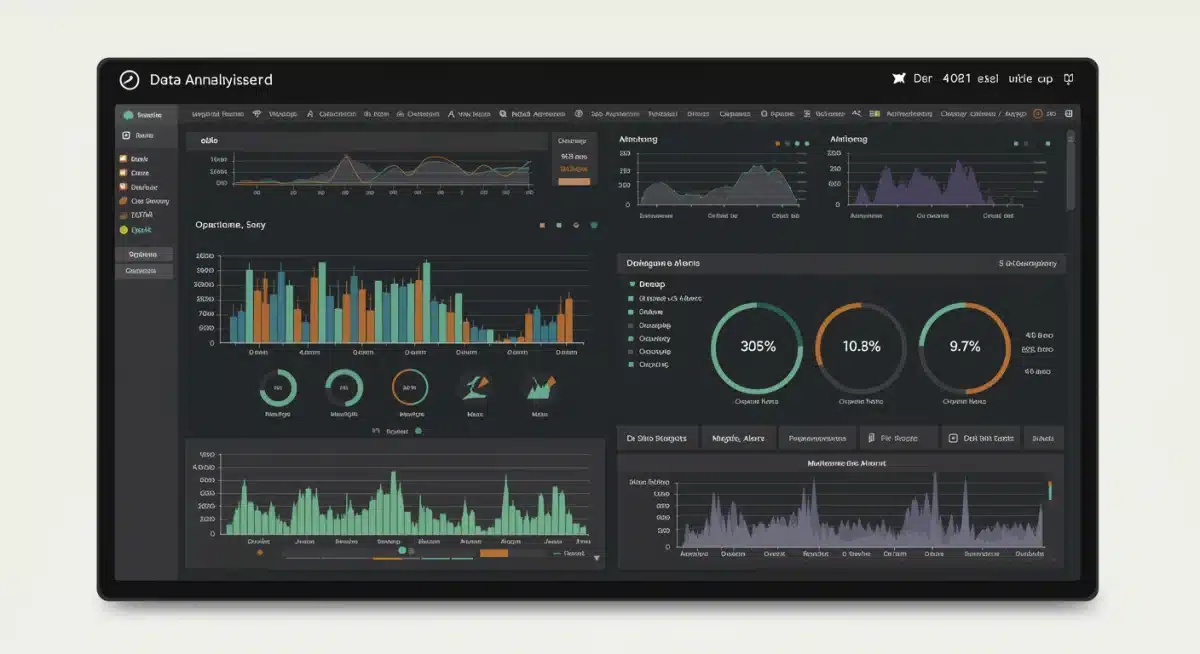
Key performance indicators (KPIs) such as mean time between failures (MTBF), mean time to repair (MTTR), and overall equipment effectiveness (OEE) provide measurable insights into the impact of predictive maintenance. Regular reporting and analysis of these metrics allow retailers to quantify the benefits and refine their strategies over time.
Strategies for maximizing downtime reduction
Beyond initial implementation, several strategies can help retailers maximize the benefits of predictive maintenance and surpass the 15% downtime reduction target.
- Continuous Learning and Model Refinement: Regularly update and retrain AI/ML models with new data to improve prediction accuracy.
- Preventive Action Protocols: Develop clear, actionable protocols for maintenance teams based on predictive alerts.
- Integration with Supply Chain: Link predictive insights with inventory management for spare parts, ensuring availability when needed.
- Employee Training: Equip maintenance staff with the skills to interpret data insights and perform proactive interventions.
By focusing on these areas, retailers can create a self-improving maintenance ecosystem that not only reduces downtime but also enhances operational efficiency across the board.
Challenges and considerations for retail adoption
While the benefits of predictive maintenance are clear, its adoption in retail is not without challenges. Addressing these proactively is essential for a smooth and successful transition. Data privacy, cybersecurity, and the initial investment cost are common concerns that require careful planning and robust solutions.
Integration with existing legacy systems can also present significant hurdles. Many retail environments operate with a mix of old and new technologies, making seamless data flow a complex undertaking. Furthermore, the cultural shift required for maintenance teams to embrace a data-driven approach can be substantial, necessitating comprehensive training and change management initiatives.
Overcoming implementation hurdles
Successfully navigating these challenges involves a multi-faceted approach, combining technological solutions with strategic organizational development.
- Phased Rollout: Implement predictive maintenance in stages, starting with a pilot program on critical assets to demonstrate value.
- Data Governance: Establish clear policies for data collection, storage, and usage to ensure compliance and security.
- Vendor Collaboration: Work closely with technology providers to address integration complexities and customize solutions.
- Upskilling Workforce: Invest in training programs for maintenance personnel to develop new skills in data interpretation and predictive analytics.
By systematically tackling these challenges, retailers can mitigate risks and ensure that their predictive maintenance initiatives deliver on their promise of reduced downtime and enhanced operational resilience.
The future of retail: smart, connected, and predictive
The retail landscape is evolving rapidly, driven by technological advancements and changing consumer expectations. Predictive maintenance is not just a trend; it’s a foundational element of the smart, connected store of the future. As IoT devices become more ubiquitous and AI capabilities grow more sophisticated, the potential for intelligent, self-optimizing retail operations will expand exponentially.
Beyond simply preventing failures, predictive maintenance will enable retailers to optimize energy consumption, extend asset lifespans far beyond their traditional limits, and even inform equipment purchasing decisions. This proactive paradigm shift will free up resources, allowing retailers to focus more on innovation, customer experience, and strategic growth.
Beyond maintenance: broader retail implications
The insights gained from predictive maintenance can have far-reaching implications across the entire retail ecosystem. Understanding equipment performance and potential failures can inform store layout decisions, staffing levels, and even product placement.
- Enhanced Customer Experience: Reliable operations mean fewer disruptions and a more pleasant shopping environment.
- Operational Efficiency: Optimized maintenance schedules lead to better resource allocation and reduced operational costs.
- Sustainability Goals: Efficient equipment operation and extended lifespans contribute to reduced waste and energy consumption.
- Competitive Advantage: Retailers who embrace predictive maintenance can offer a more consistent and reliable service, differentiating themselves in a crowded market.
The integration of predictive maintenance into the broader retail strategy is poised to create a more resilient, efficient, and customer-centric future for the industry.
| Key Aspect | Brief Description |
|---|---|
| Downtime Reduction Goal | Targeting a 15% reduction in operational downtime for retail by 2025 using data analytics. |
| Core Technology | Utilizes data analytics, IoT sensors, and machine learning to predict equipment failures. |
| Benefits for Retail | Minimizes lost sales, improves customer experience, extends asset lifespan, and optimizes costs. |
| Implementation Strategy | Requires phased rollout, data governance, vendor collaboration, and workforce upskilling. |
Frequently asked questions about predictive maintenance in retail
Predictive maintenance in retail is a strategy that uses data analytics and sensor technology to monitor equipment condition and predict potential failures before they occur. This allows retailers to schedule maintenance proactively, minimizing unexpected downtime and operational disruptions, ultimately improving efficiency and customer satisfaction.
Data analytics processes vast amounts of operational data from retail equipment, identifying patterns and anomalies indicative of impending failure. Machine learning algorithms then use these insights to forecast when maintenance is needed, enabling timely interventions and significantly reducing the likelihood of unexpected breakdowns and associated downtime.
High-value and mission-critical equipment benefit most, including HVAC systems, refrigeration units, point-of-sale (POS) terminals, security cameras, digital signage, and lighting systems. Failures in these areas directly impact customer experience, energy costs, and sales, making proactive maintenance highly impactful.
Key challenges include integrating new technologies with existing legacy systems, managing cybersecurity and data privacy concerns, the initial investment cost, and the need for upskilling maintenance teams. Overcoming these requires strategic planning, vendor collaboration, and a phased implementation approach.
Absolutely. By preventing equipment failures in critical areas like climate control, lighting, and POS systems, predictive maintenance ensures a consistently comfortable and efficient shopping environment. This reduces customer frustration from operational glitches, leading to a more positive and seamless experience, which fosters loyalty.
Conclusion
The journey towards a 15% reduction in retail operational downtime by 2025 through predictive maintenance and data analytics isn’t just a technological upgrade; it’s a fundamental shift in how retailers manage their physical assets and deliver value to their customers. By embracing data-driven insights, retailers can move beyond reactive problem-solving to proactive prevention, building more resilient, efficient, and customer-centric operations. This strategic investment not only safeguards against costly disruptions but also positions businesses for sustainable growth in an increasingly competitive market.