Building Customer Loyalty in 2025: Strategies for US Retailers

Achieving a 30% repeat purchase rate by 2025 is critical for US retailers, requiring a strategic shift towards personalized experiences, data-driven insights, and exceptional service to foster enduring customer loyalty.
Building customer loyalty in 2025 is no longer just a goal for US retailers; it’s a fundamental necessity for sustainable growth. With increasing competition and evolving consumer expectations, retailers must adapt their strategies to secure a significant repeat purchase rate, aiming for a 30% benchmark by the middle of the decade.
Understanding the Evolving Landscape of Customer Loyalty
The retail environment in the US is dynamic, constantly shaped by technological advancements, shifting consumer behaviors, and economic fluctuations. For retailers, understanding these underlying currents is paramount to crafting loyalty strategies that resonate and endure.
Traditional loyalty programs, often transactional and points-based, are losing their efficacy. Today’s consumers, particularly younger demographics, seek more than just discounts; they crave authentic connections, personalized experiences, and brands that align with their values. This paradigm shift necessitates a more holistic approach to loyalty, one that integrates seamlessly across all touchpoints, both online and offline.
The Shift from Transactional to Experiential Loyalty
The focus has moved from simply rewarding purchases to enriching the overall customer experience. Retailers who excel in this area create memorable moments that foster emotional connections, turning shoppers into advocates. This involves everything from intuitive website design to seamless in-store interactions and proactive customer support.
- Personalized Interactions: Tailoring communications and offers based on individual preferences.
- Seamless Omnichannel Experience: Ensuring a consistent and integrated journey across all channels.
- Value Alignment: Connecting with customers on shared values, such as sustainability or community involvement.
In essence, the modern definition of customer loyalty extends beyond the wallet; it encompasses the heart and mind. Retailers must invest in understanding their customers deeply, leveraging data not just for sales, but for building meaningful, long-term relationships.
Strategy 1: Hyper-Personalization Through Data Analytics
In 2025, generic marketing messages are largely ignored. The first and arguably most crucial strategy for US retailers looking to boost repeat purchases is hyper-personalization, driven by sophisticated data analytics. This involves collecting, analyzing, and acting upon customer data to deliver highly relevant and timely experiences.
Hyper-personalization goes beyond merely addressing a customer by their first name. It means understanding their past purchases, browsing history, demographic information, and even their preferred communication channels to anticipate their needs and offer products or services before they even realize they want them. This level of foresight builds trust and makes customers feel genuinely valued.
Leveraging AI and Machine Learning for Insights
Advanced AI and machine learning algorithms are indispensable tools for achieving hyper-personalization. These technologies can process vast amounts of data to identify patterns, predict future behavior, and segment customers into highly specific groups. This allows retailers to craft tailored recommendations, personalized promotions, and even custom product bundles.
- Predictive Analytics: Foreseeing customer needs and potential churn risks.
- Dynamic Content Generation: Automatically adapting website content and email campaigns to individual users.
- Real-time Offer Delivery: Presenting relevant offers at the precise moment a customer is most receptive.
The implementation of robust Customer Relationship Management (CRM) systems integrated with AI-powered analytics platforms is key. These systems provide a unified view of the customer, enabling consistent and personalized interactions across all touchpoints, from initial browsing to post-purchase support. By harnessing the power of data, retailers can transform anonymous shoppers into loyal patrons.
Strategy 2: Elevating the Customer Experience Across All Touchpoints
A truly loyal customer base is built on consistently positive experiences. For US retailers, this means a concerted effort to elevate every single touchpoint, whether online, in-store, or through customer service interactions. The seamless integration of these experiences is critical to fostering loyalty in 2025.
Consumers expect convenience, efficiency, and a sense of connection. Retailers must ensure that their digital platforms are intuitive and fast, their physical stores are engaging and well-staffed, and their customer service is responsive and empathetic. Any friction point can deter a customer from returning, regardless of how good the product might be.
Creating Immersive In-Store Environments
While online shopping continues to grow, physical stores remain vital. They offer unique opportunities for sensory engagement and personal interaction that digital channels cannot fully replicate. Retailers should focus on creating immersive experiences that go beyond mere transactions, transforming stores into destinations.
- Interactive Displays: Utilizing augmented reality (AR) or virtual reality (VR) to enhance product exploration.
- Community Hubs: Hosting workshops, events, or pop-ups that foster a sense of belonging.
- Expert Assistance: Staff trained to be knowledgeable consultants rather than just sales associates.
Beyond the physical space, the digital experience must be equally compelling. This includes mobile-first website design, easy checkout processes, and proactive communication regarding order status. Every interaction, big or small, contributes to the overall perception of the brand and its commitment to customer satisfaction.
Strategy 3: Implementing Robust and Rewarding Loyalty Programs
While traditional loyalty programs have evolved, their core function of rewarding repeat business remains essential. In 2025, US retailers need to implement programs that are not only robust and easy to understand but also genuinely rewarding and differentiated from competitors. These programs must offer tangible value that encourages continued engagement.
The most effective loyalty programs today move beyond simple points-for-purchase models. They incorporate tiered structures, exclusive access, experiential rewards, and personalized perks that resonate deeply with individual customer segments. The goal is to make membership feel like an exclusive club, not just another discount scheme.
Designing Tiered Loyalty Structures
Tiered loyalty programs incentivize higher spending and deeper engagement by unlocking progressively better benefits. For example, a basic tier might offer points per dollar spent, while a premium tier could provide free shipping, early access to new products, or dedicated customer support.
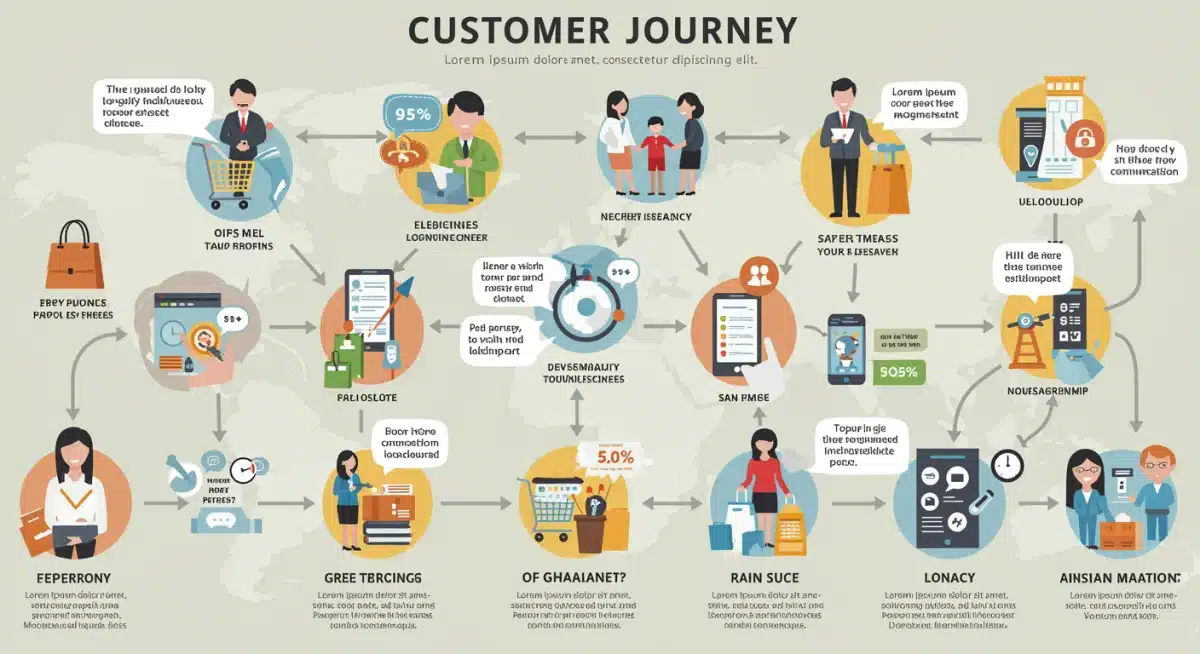
- Exclusive Access: Offering members early access to sales, new product launches, or limited editions.
- Experiential Rewards: Providing unique experiences, such as private shopping events or product testing opportunities.
- Birthday and Anniversary Perks: Personalized gifts or discounts during significant customer milestones.
Furthermore, loyalty programs should be seamlessly integrated across all channels, allowing customers to earn and redeem rewards effortlessly, whether online or in-store. Clear communication about program benefits and easy tracking of rewards are also critical for maximizing participation and perceived value.
Strategy 4: Fostering Community and Emotional Connection
In an increasingly digital world, consumers often seek authentic connections and a sense of belonging. The fourth strategy for US retailers aiming for high repeat purchase rates in 2025 involves actively fostering community and building emotional ties with their customer base. This moves beyond transactional relationships to deeply rooted brand affinity.
Building a community around a brand involves creating platforms and opportunities for customers to interact with each other and with the brand itself. This can take many forms, from online forums and social media groups to in-person events and collaborative product development. When customers feel part of something larger, their loyalty transcends mere product satisfaction.
Engaging Through Social Media and User-Generated Content
Social media platforms offer powerful avenues for community building. Retailers can use these channels to not only promote products but also to share brand stories, engage in conversations, and encourage user-generated content. Featuring customer photos, reviews, and testimonials can significantly amplify brand reach and authenticity.
- Dedicated Online Forums: Creating spaces for customers to discuss products, share tips, and offer feedback.
- Influencer Collaborations: Partnering with authentic voices who genuinely connect with the brand’s target audience.
- Customer Spotlight Programs: Recognizing and celebrating loyal customers, making them feel seen and appreciated.
Emotional connection is also forged through a brand’s values. Retailers that demonstrate a commitment to social responsibility, sustainability, or ethical practices often resonate more deeply with consumers, inspiring a loyalty that goes beyond price or convenience. Authenticity and transparency are paramount in these efforts.
Strategy 5: Prioritizing Exceptional Post-Purchase Support and Feedback Loops
The customer journey doesn’t end at the point of sale; in fact, the post-purchase experience is often where loyalty is truly solidified or lost. The fifth strategy for US retailers to achieve a 30% repeat purchase rate in 2025 is to prioritize exceptional post-purchase support and establish robust feedback loops that demonstrate genuine care and continuous improvement.
Efficient and empathetic customer service, hassle-free returns, and proactive communication about product care or usage can turn a one-time buyer into a lifelong advocate. Issues are inevitable, but how a retailer handles them can significantly impact customer perception and future purchasing decisions. A well-handled complaint can actually increase loyalty.
Streamlining Returns and Exchanges
One of the biggest pain points for online shoppers is the returns process. Retailers who offer easy, free, and transparent return and exchange policies significantly reduce customer anxiety and build trust. This includes clear instructions, multiple return options (e.g., mail-in, in-store drop-off), and prompt refunds.
- Proactive Communication: Sending post-purchase emails with product tips, warranty information, or complementary item suggestions.
- Multi-Channel Support: Offering customer service via phone, email, live chat, and social media for convenience.
- Gathering and Acting on Feedback: Actively soliciting reviews, surveys, and direct feedback, then visibly implementing changes based on this input.
By creating an environment where customers feel heard, supported, and valued even after their purchase, retailers can significantly enhance satisfaction and encourage repeat business. This continuous cycle of support and improvement reinforces the brand’s commitment to its customers, making them feel like a priority.
| Strategy | Brief Description |
|---|---|
| Hyper-Personalization | Utilize data analytics, AI, and machine learning to deliver tailored experiences, products, and offers to individual customers. |
| Elevate Customer Experience | Ensure seamless, engaging, and positive interactions across all online and in-store touchpoints to build brand affinity. |
| Robust Loyalty Programs | Implement tiered, rewarding programs offering exclusive access and experiential perks beyond simple points systems. |
| Foster Community | Create platforms for customer interaction, encouraging user-generated content and aligning with shared values to build emotional connections. |
Frequently Asked Questions About Customer Loyalty
A 30% repeat purchase rate signifies strong customer retention, which is often more cost-effective than acquiring new customers. Loyal customers tend to spend more, provide valuable feedback, and act as brand advocates, contributing significantly to revenue growth and market stability for retailers.
Hyper-personalization should always prioritize transparency and consent. Retailers must clearly communicate data usage, offer opt-out options, and focus on non-sensitive data points like purchase history and browsing behavior. Anonymized data and aggregated insights can still drive effective personalization without compromising privacy.
Physical stores remain crucial as hubs for experiential loyalty. They offer unique opportunities for sensory engagement, personalized service, and community building through events and direct interaction. Integrating in-store experiences with digital channels creates a powerful omnichannel loyalty ecosystem.
Loyalty programs are more relevant than ever, but their design has evolved. Modern programs move beyond simple points, offering tiered benefits, exclusive access, and personalized experiences. They must provide genuine value and foster emotional connections to be effective in retaining customers in 2025.
Retailers can gather feedback through surveys, direct outreach, social media monitoring, and review platforms. The key is to actively listen, analyze the feedback for actionable insights, and transparently communicate how that feedback is being used to improve products and services, closing the loop with customers.
Conclusion
Achieving a 30% repeat purchase rate by 2025 for US retailers is an ambitious yet attainable goal, provided a strategic and customer-centric approach is adopted. The five proven strategies—hyper-personalization, elevating customer experience, robust loyalty programs, fostering community, and prioritizing post-purchase support—form a comprehensive framework. By integrating these elements, retailers can move beyond transient transactions to cultivate deep, enduring customer relationships that drive sustainable growth and brand advocacy in an ever-evolving market. The future of retail loyalty lies in understanding, valuing, and consistently delighting the customer at every turn.