New Regulations for Subscription Services: Reducing Churn by 10%
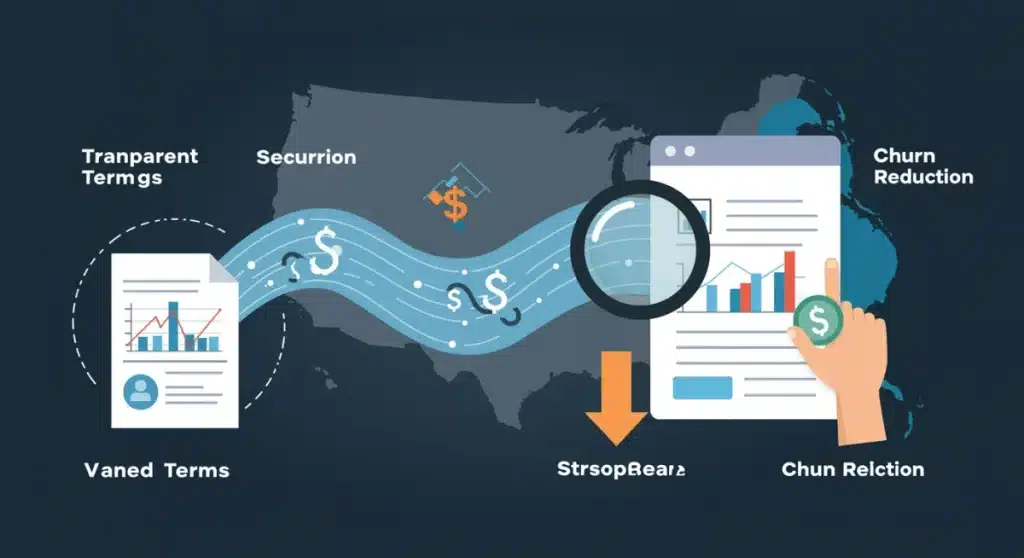
New regulations on subscription services are being implemented to mandate greater transparency and simpler cancellation processes, with a strategic goal of reducing customer churn by a significant 10% across the United States by mid-2025.
The landscape of digital commerce is constantly evolving, and at its heart lies the ubiquitous subscription model. From streaming platforms to software-as-a-service, consumers are increasingly engaging with recurring payments for access to goods and services. However, this convenience often comes with hidden complexities, leading to frustration and, ultimately, customer churn. A pivotal shift is underway with the introduction of new regulations on subscription services: reducing churn by 10% through transparent practices by mid-2025. This ambitious initiative aims to foster a more equitable and understandable environment for subscribers, ultimately benefiting both consumers and businesses.
Understanding the Need for Enhanced Transparency
The proliferation of subscription-based models has brought immense convenience but also a rise in consumer complaints regarding opaque terms, difficult cancellation processes, and unexpected charges. Regulators have taken notice, recognizing that a lack of transparency erodes trust and fuels customer dissatisfaction. This foundational issue directly contributes to high churn rates, impacting the long-term sustainability of many businesses.
The core problem often lies in the fine print. Consumers frequently sign up for services without fully grasping the renewal terms, pricing structures, or the steps required to cancel. This can lead to a feeling of being trapped or misled, which inevitably results in customers seeking to terminate their subscriptions, often with a negative sentiment that spreads through word-of-mouth and online reviews.
The Impact of Hidden Fees and Automatic Renewals
One of the most significant pain points for consumers is the discovery of hidden fees or the automatic renewal of subscriptions they no longer wish to maintain. These practices, while sometimes technically disclosed, are often obscured in lengthy terms and conditions that few people read in their entirety. The psychological impact of an unexpected charge can be profound, creating a sense of betrayal.
- Unclear pricing structures: Initial promotional rates often do not clearly indicate the full price after the introductory period.
- Difficult cancellation paths: Companies sometimes make the cancellation process deliberately complicated, requiring multiple steps or phone calls.
- Lack of renewal notifications: Many consumers are not adequately reminded before an automatic renewal, leading to charges for unwanted services.
- Ambiguous terms and conditions: Legal jargon and lengthy documents deter consumers from understanding their commitments.
By addressing these issues head-on, the new regulations seek to establish a baseline of clarity and fairness. This is not merely about consumer protection; it is also about creating a healthier market where businesses thrive on genuine value and customer satisfaction, rather than relying on convoluted practices.
Key Pillars of the New Regulatory Framework
The impending regulations are built upon several critical pillars designed to enforce greater transparency and consumer control. These measures are not arbitrary; they are the result of extensive research into consumer behavior and common grievances within the subscription economy. The goal is to standardize practices across the industry, ensuring a consistent and fair experience for all subscribers.
At the forefront is the requirement for clear and conspicuous disclosure of all material terms. This means that pricing, renewal dates, and cancellation policies must be presented in an easily understandable format, free from deceptive language or hidden clauses. The days of burying critical information deep within terms of service documents are drawing to a close.
Mandatory Clear Disclosures and Consent
Businesses will be required to provide unambiguous information about their subscription services at every key stage of the customer journey. This includes the initial sign-up, during the subscription term, and particularly before any automatic renewal. Explicit consent for recurring charges will become paramount, shifting the onus onto businesses to ensure consumers fully understand what they are agreeing to.
- Pre-purchase transparency: Clear display of full pricing, terms, and auto-renewal details before the final purchase decision.
- Affirmative consent: Requiring active consent from consumers for recurring charges, not just passive acceptance.
- Accessible terms: Making terms and conditions easy to find and understand, possibly through simplified summaries.
- Plain language: Eliminating overly complex legal jargon in favor of straightforward explanations.
These requirements are designed to empower consumers, enabling them to make informed decisions about their subscriptions. When consumers feel respected and informed, their likelihood of remaining loyal to a service increases significantly, directly contributing to the desired reduction in churn.
Streamlining Cancellation Processes for Consumers
One of the most frustrating aspects of subscription services for many consumers is the difficulty in canceling. The new regulations directly tackle this issue by mandating streamlined, user-friendly cancellation processes. The intent is to make canceling a subscription as straightforward as signing up for one, removing unnecessary hurdles and bureaucratic delays.
Historically, some companies have employed ‘dark patterns’ or intentionally complex cancellation flows to deter customers from leaving. This often involves requiring phone calls, navigating through multiple web pages, or even sending written notices. Such practices are not only consumer-unfriendly but also breed resentment, making it highly unlikely that a customer will ever return.
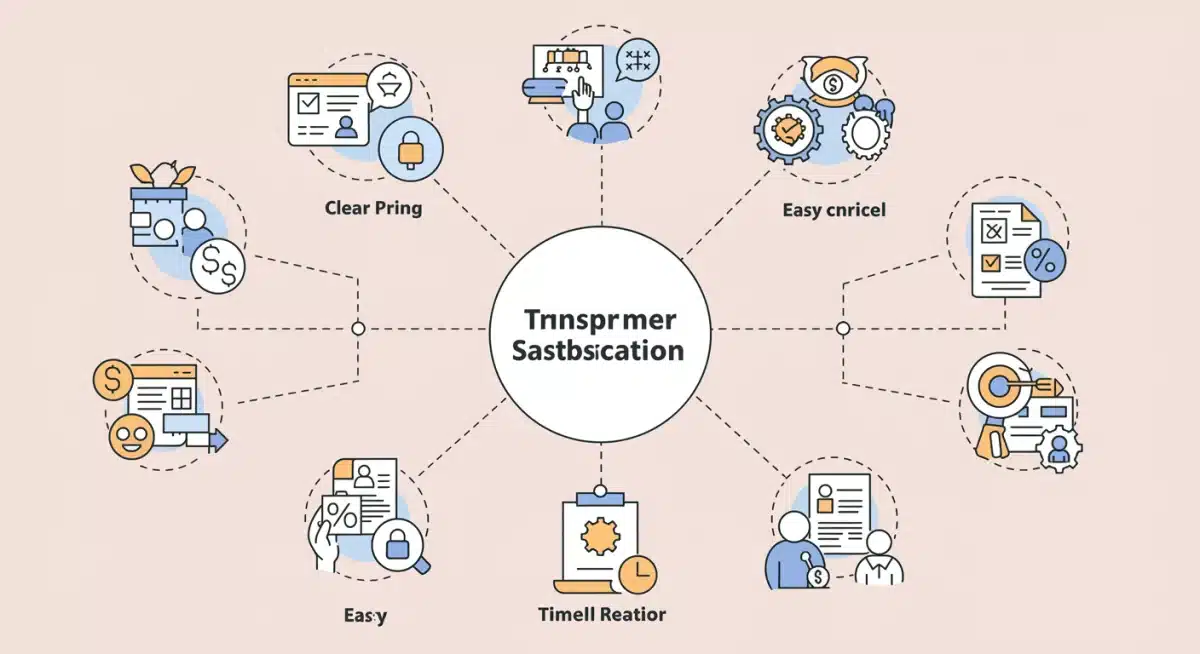

Easy-to-Find and Execute Cancellation Options
The new framework will require businesses to offer equally simple and accessible methods for cancellation as they do for sign-up. If a subscription can be initiated online with a few clicks, it must also be terminable with similar ease. This could mean a prominent ‘cancel’ button within account settings or a direct link in renewal emails.
- One-click cancellation: Where feasible, a single action to terminate the service.
- Same channel cancellation: Allowing cancellation through the same method used for sign-up (e.g., online if signed up online).
- Clear instructions: Providing step-by-step guidance for cancellation, avoiding ambiguity.
- No unjustified delays: Preventing companies from imposing cooling-off periods or mandatory contact before cancellation.
By removing friction from the cancellation process, businesses can actually build greater trust. Even if a customer decides to leave, a positive final experience can lead to future re-engagement or positive recommendations, mitigating the negative impact of churn.
The Role of Timely Renewal Notifications
A significant portion of involuntary churn stems from consumers simply forgetting about an upcoming renewal. The new regulations are expected to mandate timely and clear renewal notifications, giving subscribers ample opportunity to review their commitment and decide whether to continue the service. This proactive communication is a cornerstone of transparent practices.
These notifications are not just a courtesy; they are a critical mechanism for empowering consumers. By providing a heads-up before a charge is processed, businesses allow customers to avoid unwanted expenses and prevent the frustration that often accompanies unexpected billing. This small act of transparency can significantly improve the customer experience.
Standardizing Notification Requirements
The regulations will likely specify the timing, content, and delivery methods for these renewal reminders. For instance, notifications might need to be sent a certain number of days before the renewal date, clearly state the upcoming charge amount, and include an easy link to cancel or modify the subscription. The goal is to eliminate any ambiguity.
- Advance notice: Notifications sent sufficiently ahead of the auto-renewal date (e.g., 7-14 days).
- Clear financial details: Explicitly stating the amount to be charged and the date of the charge.
- Easy cancellation link: Providing a direct and prominent link to the cancellation process within the notification.
- Multiple communication channels: Potentially allowing for notifications via email, in-app messages, or SMS.
Implementing robust renewal notification systems helps to convert what might have been an involuntary churn into an informed decision. This not only reduces the immediate churn rate but also fosters a more positive relationship with the customer, even if they choose not to renew at that time.
Expected Impact on Businesses and Consumer Behavior
The introduction of these new regulations will undoubtedly require adjustments from businesses, particularly those with less transparent practices. However, the long-term benefits are expected to outweigh the initial implementation challenges. For consumers, the impact will be overwhelmingly positive, leading to greater confidence and satisfaction in their subscription choices.
Businesses that embrace these changes proactively are likely to see improved customer loyalty and a stronger brand reputation. While some might initially fear an increase in churn due to easier cancellations, the focus shifts to retaining customers through genuine value and excellent service, rather than through friction and obscurity. This recalibration is essential for sustainable growth.
Shifting Towards Value-Driven Retention
With less reliance on contractual lock-ins and opaque terms, businesses will be incentivized to focus more on providing compelling value. This means continuous innovation, superior customer support, and a constant effort to meet evolving customer needs. Retention will increasingly depend on the perceived benefits of the service, rather than the difficulty of exiting it.
- Increased customer trust: Transparent practices build confidence, encouraging longer subscription durations.
- Improved brand reputation: Companies known for fairness attract and retain more customers.
- Data-driven insights: Understanding why customers genuinely leave can lead to better product development.
- Reduced customer service load: Fewer complaints related to billing and cancellation issues.
The shift towards value-driven retention will differentiate businesses that truly prioritize their customers. Those that adapt successfully will likely find that a 10% reduction in churn is not just a regulatory target but a natural outcome of fostering stronger, more ethical relationships with their subscriber base.
Strategies for Businesses to Ensure Compliance and Thrive
For businesses operating within the subscription economy, preparing for these new regulations is not just about compliance; it’s an opportunity to optimize operations and enhance customer relationships. Proactive strategies will be key to not only meeting the mid-2025 deadline but also leveraging the changes for competitive advantage. This involves a comprehensive review of existing practices and the implementation of new, consumer-centric approaches.
The first step is a thorough audit of all current subscription enrollment, billing, and cancellation processes. Identify any areas where information might be unclear, difficult to access, or where cancellation is unnecessarily complex. This internal assessment will provide a roadmap for necessary changes, ensuring that every touchpoint aligns with the spirit and letter of the new regulations.
Implementing Best Practices for Transparency
Beyond mere compliance, businesses should aim to exceed the regulatory minimums, striving for exemplary transparency. This can involve adopting plain language policies, creating dedicated customer dashboards for managing subscriptions, and offering multi-channel support for inquiries and cancellations. Such efforts demonstrate a genuine commitment to customer well-being.
- Simplify terms and conditions: Rewrite legal documents into clear, concise language.
- Enhance user interfaces: Design intuitive dashboards for subscription management and cancellation.
- Automate clear communication: Implement systems for automated, timely, and informative renewal notices.
- Train customer support: Equip support teams to handle cancellation requests efficiently and empathetically.
By viewing these regulations not as burdens but as catalysts for improvement, businesses can transform their subscription models. The focus on transparency and ease of cancellation will ultimately lead to a more engaged and satisfied customer base, making the 10% churn reduction target an achievable and beneficial outcome.
The Long-Term Vision: A Fairer Subscription Economy
The ultimate goal of these new regulations is to cultivate a fairer, more transparent subscription economy across the United States. By reducing churn through clear practices, the regulatory bodies are not just protecting consumers; they are also promoting healthy competition and sustainable business models. This long-term vision envisages an environment where trust is paramount and recurring revenue is earned through consistent value, not confusing terms.
This shift represents a maturation of the subscription market. Early growth often prioritizes acquisition, sometimes at the expense of retention ethics. Now, with widespread adoption, the focus is rightfully shifting towards ethical engagement and sustainable customer relationships. The mid-2025 target for a 10% churn reduction is an ambitious yet attainable milestone in this journey.
Building Sustainable Customer Relationships
Businesses that proactively embrace these changes will be better positioned for long-term success. A transparent approach fosters loyalty, reduces negative publicity, and can even turn former customers into future advocates. It’s about building a reputation for integrity that resonates with today’s discerning consumer.
- Increased consumer confidence: Customers are more likely to subscribe to services from trusted providers.
- Reduced regulatory scrutiny: Proactive compliance minimizes the risk of future legal challenges and fines.
- Innovation in value delivery: Focus shifts from retention tactics to enhancing core service offerings.
- Positive market perception: Leading by example can set new industry standards and attract talent.
Ultimately, a fairer subscription economy benefits everyone. Consumers enjoy greater control and peace of mind, while businesses gain the stability that comes from a loyal and genuinely satisfied customer base, moving closer to the ambitious goal of significantly reducing churn.
| Key Point | Brief Description |
|---|---|
| Regulatory Goal | Reduce subscription churn by 10% through transparent practices by mid-2025. |
| Transparency Mandate | Requires clear disclosure of all terms, pricing, and auto-renewal details. |
| Simplified Cancellation | Mandates easy, accessible, and equivalent cancellation methods as sign-up. |
| Renewal Notifications | Requires timely and clear reminders before any automatic subscription renewal. |
Frequently Asked Questions About Subscription Regulations
The main goals are to increase transparency in subscription terms, simplify cancellation processes, and ensure consumers have better control over their recurring services. Ultimately, these measures aim to reduce customer churn by 10% across the US by mid-2025, fostering a more trustworthy market environment for both consumers and businesses.
Consumers are expected to benefit from greater clarity regarding pricing, renewal terms, and cancellation procedures, leading to increased trust and confidence. This empowerment will enable more informed decisions, making consumers more likely to engage with services that prioritize transparency and fairness, ultimately enhancing their overall satisfaction.
Businesses will need to revise their disclosure practices for clarity, streamline cancellation workflows to be as easy as signing up, and implement timely and explicit renewal notification systems. This will involve auditing existing processes and potentially redesigning user interfaces to meet the new standards, focusing on consumer-centric design principles.
While the core principles of transparency and ease of cancellation will apply broadly, the specific implementation details might vary slightly depending on the industry and nature of the subscription. However, the overarching goal of consumer protection and churn reduction will be consistent, impacting digital and physical subscription models across the board.
Proactive compliance can lead to increased customer loyalty, enhanced brand reputation, and more sustainable revenue streams. By focusing on genuine value and transparent practices, businesses can foster stronger customer relationships, reduce customer service friction, and gain a competitive edge in a market where trust and ethical conduct are increasingly valued by consumers.
Conclusion
The new regulations on subscription services, with their ambitious target of reducing churn by 10% through transparent practices by mid-2025, mark a significant turning point for the digital economy in the United States. This initiative underscores a collective commitment to fostering an environment where consumers are empowered, and businesses operate with integrity. By prioritizing clear disclosures, simplified cancellation processes, and timely renewal notifications, the industry is poised to build stronger, more trustworthy relationships with its customers. While the transition may require considerable effort from businesses, the long-term benefits of enhanced customer loyalty, reduced friction, and a more robust market will ultimately create a win-win scenario for everyone involved. The future of subscription services is moving towards a model built on clarity, fairness, and mutual respect, promising a more sustainable and consumer-friendly landscape.