Sustainable Retail: US Brands Target 10% Market Share by 2025

The rise of sustainable retail in the US is marked by a growing number of brands committed to ethical sourcing and environmental responsibility, collectively targeting a 10% market share by 2025 through innovative practices and consumer engagement.
The landscape of American commerce is undergoing a profound transformation, driven by an increasing consumer demand for ethical practices and environmental responsibility. This shift has given rise to a powerful movement: sustainable retail US. Major brands are not merely adapting; they are actively leading this charge, setting ambitious targets to capture a significant 10% market share by 2025. This article delves into the strategies and impact of four pioneering US brands at the forefront of this green revolution.
Understanding the sustainable retail revolution
The concept of sustainable retail extends far beyond simply offering eco-friendly products. It encompasses a holistic approach to business that considers environmental, social, and economic impacts across the entire supply chain. From sourcing raw materials to manufacturing, packaging, distribution, and even end-of-life product management, every step is scrutinized for its sustainability credentials. This comprehensive view is what truly defines the movement and sets leading brands apart.
Consumers, particularly younger generations, are increasingly making purchasing decisions based on a brand’s commitment to sustainability. They want transparency, authenticity, and tangible proof of positive impact. This growing awareness is not just a trend; it’s a fundamental shift in consumer values that is reshaping the retail industry.
Defining sustainable practices
- Ethical sourcing: Ensuring raw materials are obtained responsibly, respecting human rights and environmental standards.
- Reduced waste: Implementing strategies to minimize waste throughout production, packaging, and consumption.
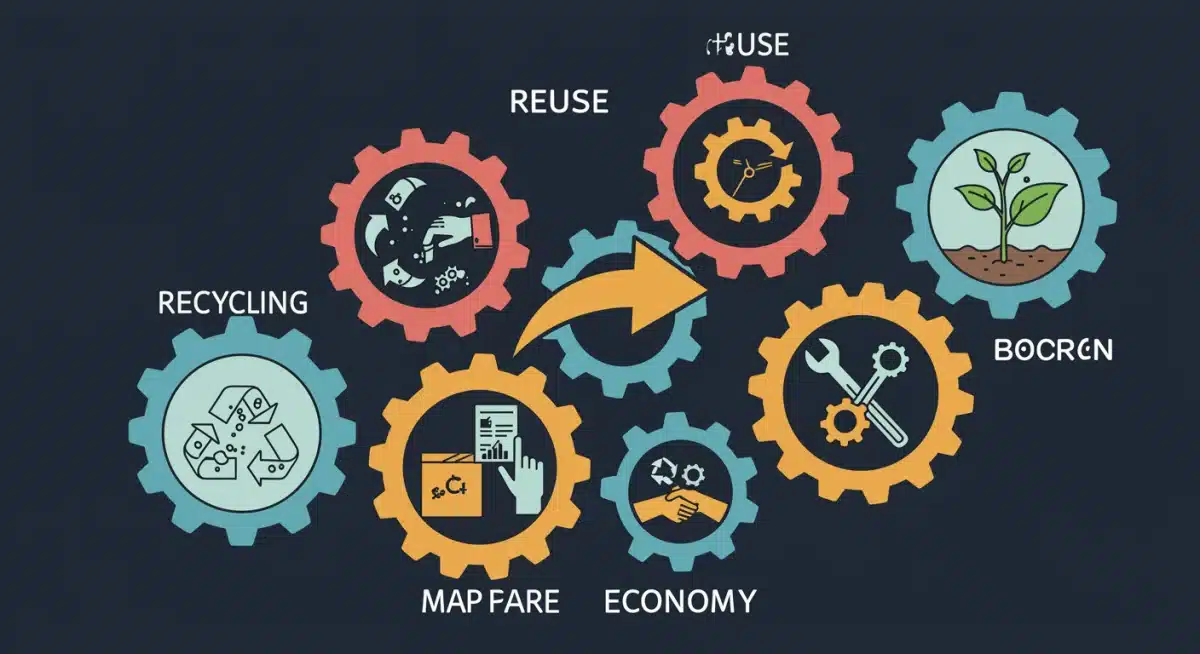
- Circular economy principles: Designing products for longevity, repairability, and recyclability to keep materials in use.
- Energy efficiency: Utilizing renewable energy sources and optimizing operations to reduce carbon footprint.
The drive towards sustainable retail is also fueled by regulatory pressures and investor expectations. Governments are introducing stricter environmental regulations, while investors are increasingly favoring companies with strong ESG (Environmental, Social, and Governance) performance. This convergence of consumer demand, regulatory frameworks, and financial incentives creates a compelling case for brands to integrate sustainability into their core business models.
Ultimately, the sustainable retail revolution is about creating a resilient and responsible economy. It’s about moving away from a linear ‘take-make-dispose’ model towards one that values regeneration and long-term well-being. Brands that embrace this philosophy are not only contributing to a better planet but are also positioning themselves for future success in a rapidly evolving market.
Patagonia: a trailblazer in ethical outdoor gear
Patagonia has long been synonymous with environmental activism and high-quality outdoor apparel. Their commitment to sustainability is deeply woven into their brand identity, making them a benchmark for others in the industry. From their ‘Worn Wear’ program, which encourages repairing and reusing garments, to their robust supply chain transparency, Patagonia consistently demonstrates how a business can thrive while prioritizing planetary health.
Their mission statement, ‘We’re in business to save our home planet,’ is not just a slogan; it’s a guiding principle that influences every decision. This unwavering dedication resonates strongly with their customer base, fostering fierce brand loyalty and advocacy. Patagonia’s approach proves that sustainability can be a powerful differentiator and a driver of commercial success.
Key sustainable initiatives
- 1% for the Planet: Donating 1% of sales to environmental preservation and restoration.
- Fair Trade Certified: Ensuring fair wages and safe working conditions for factory workers.
- Recycled materials: Extensive use of recycled polyester and other reclaimed fabrics in their products.
- Product longevity: Designing durable goods and offering repair services to extend product life.
Patagonia’s influence extends beyond its own operations. They actively lobby for environmental policies and inspire other businesses to adopt more responsible practices. Their transparency reports provide detailed insights into their supply chain, allowing consumers to understand the true impact of their purchases. This level of openness builds trust and reinforces their position as a leader in sustainable retail.
The brand’s success demonstrates that consumers are willing to invest in products that align with their values. By offering products that are not only functional and durable but also produced with minimal environmental and social harm, Patagonia has cultivated a loyal community that champions their mission. Their continued growth is a testament to the power of authentic sustainability.
Allbirds: innovating footwear with natural materials
Allbirds burst onto the scene with a simple yet revolutionary idea: create comfortable, stylish footwear using natural, sustainable materials. Their commitment to minimizing their environmental footprint quickly set them apart in the competitive footwear market. By focusing on materials like merino wool, eucalyptus tree fiber, and sugarcane, they have challenged traditional manufacturing processes that often rely on petroleum-based synthetics.
The brand’s transparency about its carbon footprint is another hallmark of its sustainable approach. Allbirds labels each product with its carbon impact, empowering consumers to make informed choices. This dedication to eco-innovation has resonated with a broad audience seeking both comfort and conscientiousness in their purchases.
Sustainable material focus
- Merino wool: Naturally breathable, temperature-regulating, and renewable.
- Eucalyptus tree fiber: Soft, breathable, and sustainably sourced.
- SweetFoam™: A sole material derived from sugarcane, offering a low-carbon alternative to traditional EVA.
- Recycled plastic bottles: Used for laces and other components, diverting waste from landfills.
Allbirds’ success highlights the potential for innovation in sustainable product development. They have proven that performance and style do not have to be sacrificed for environmental responsibility. Their expansion into apparel, using similar sustainable principles, further solidifies their position as a versatile sustainable brand.
The brand is also actively involved in carbon offsetting and reduction initiatives, striving towards a net-zero carbon footprint. This proactive stance on environmental stewardship, combined with their innovative product design, positions Allbirds as a key player in the sustainable retail market, attracting consumers who value both quality and ecological integrity.
Eileen Fisher: timeless fashion with ethical production
Eileen Fisher has been a quiet leader in sustainable fashion for decades, long before it became a mainstream trend. Known for its minimalist designs, high-quality fabrics, and timeless aesthetic, the brand’s commitment to ethical production and circularity is deeply ingrained in its operations. They focus on creating durable garments that transcend fleeting fashion trends, encouraging longevity and reducing consumption.
Their initiatives include using organic and recycled fibers, implementing a take-back program for worn garments, and investing in fair labor practices. Eileen Fisher’s dedication to sustainability is a testament to the idea that fashion can be both elegant and environmentally responsible, appealing to a discerning clientele that values both style and substance.
Commitment to circularity
- Renew program: Collecting and reselling/repurposing pre-owned Eileen Fisher garments.
- Organic materials: Extensive use of organic cotton, linen, and other natural fibers.
- Responsible dyeing: Investing in water-saving and non-toxic dyeing processes.
- Fair labor: Partnering with factories that uphold fair wages and safe working conditions.
Eileen Fisher’s approach to sustainability is comprehensive, addressing environmental impact from fiber to finished garment and beyond. Their Renew program is particularly noteworthy, as it embodies the principles of a circular economy by keeping garments in use for as long as possible. This not only reduces waste but also provides affordable access to their high-quality designs.
The brand’s longevity in the fashion industry, coupled with its unwavering commitment to ethical practices, showcases that a sustainable business model can be enduring and profitable. Eileen Fisher serves as an inspiration for other fashion brands looking to integrate genuine sustainability into their core identity, proving that style and ecological consciousness can coexist gracefully.
The Honest Company: clean living for families
Founded by Jessica Alba, The Honest Company has carved out a significant niche in the market by offering safe, effective, and environmentally friendly products for babies and families. From diapers and wipes to cleaning supplies and personal care items, their commitment to transparency and non-toxic ingredients has resonated with health-conscious consumers.
Their mission is to empower people to live a happy, healthy life by providing products that are thoughtfully designed and ethically produced. This focus on ‘clean living’ extends to their ingredient sourcing, manufacturing processes, and packaging, making them a leading example of sustainable retail in the household and personal care sectors.
Product and packaging innovations
- Non-toxic ingredients: Avoiding harmful chemicals and synthetic fragrances.
- Plant-derived formulas: Utilizing natural, renewable resources.
- Sustainable packaging: Using recycled and recyclable materials for product containers.
- B Corp certification: Meeting high standards of social and environmental performance, accountability, and transparency.
The Honest Company’s success underscores the growing demand for transparent and safe products, especially for families. Their rigorous ingredient screening process and commitment to avoiding over 2,500 questionable chemicals have built a strong foundation of trust with their customers. This dedication to purity and safety is a cornerstone of their sustainable retail strategy.
Beyond product formulation, the company actively engages in social responsibility initiatives, supporting various community programs. This blend of environmental stewardship and social impact strengthens their brand appeal and reinforces their position as a leader in conscious consumerism. The Honest Company demonstrates that prioritizing health and sustainability can lead to significant market success and positive societal change.
The path to 10% market share by 2025
The ambition of sustainable retail brands to capture 10% of the US market by 2025 is not merely aspirational; it’s a reflection of tangible shifts in consumer behavior, technological advancements, and evolving business strategies. This growth trajectory is supported by several key factors that are accelerating the adoption of sustainable practices across the retail sector.
Firstly, consumer awareness and demand for sustainable products continue to surge. Shoppers are increasingly willing to pay a premium for goods that align with their values, prioritizing environmental protection and social equity. This demographic shift, particularly among Gen Z and Millennials, provides a strong tailwind for brands committed to sustainability.
Driving forces for growth
- Consumer demand: Increasing preference for ethical and eco-friendly products.
- Technological innovation: Development of new sustainable materials and production methods.
- Investment in ESG: Growing capital flow towards companies with strong environmental, social, and governance performance.
- Regulatory support: Emerging policies and incentives favoring sustainable business practices.
Secondly, technological innovations are making sustainable production more feasible and cost-effective. Advances in material science, renewable energy, and supply chain optimization are enabling brands to reduce their environmental footprint without compromising on quality or affordability. This innovation cycle is crucial for scaling sustainable solutions.
Finally, the competitive landscape itself is pushing brands towards sustainability. As more consumers choose eco-conscious options, traditional retailers are compelled to adapt or risk losing market share. This creates a positive feedback loop, where leading sustainable brands inspire broader industry transformation. The collective efforts of these pioneering brands, combined with market forces, suggest that the 10% market share target by 2025 is indeed within reach, marking a significant milestone in the evolution of retail.
Challenges and opportunities in sustainable retail
While the growth of sustainable retail is promising, the path forward is not without its challenges. Brands must navigate complex supply chains, manage higher initial costs for sustainable materials, and combat greenwashing to maintain consumer trust. However, these challenges also present significant opportunities for innovation, differentiation, and long-term value creation.
One primary challenge is the perception of higher prices associated with sustainable goods. While this can be true due to ethical sourcing and production methods, consumer education about the long-term value and benefits of these products is crucial. Brands must effectively communicate the true cost of conventional products, including their environmental and social externalities, to highlight the value proposition of sustainable alternatives.
Navigating the landscape
- Supply chain complexity: Ensuring sustainability across global networks.
- Cost management: Balancing ethical production with competitive pricing.
- Greenwashing: Building genuine trust through transparent practices.
- Consumer education: Communicating the value and impact of sustainable choices.
Another significant opportunity lies in the development of truly circular business models. Moving beyond simply using recycled materials to designing products for repair, reuse, and ultimate recyclability can unlock new revenue streams and foster deeper customer engagement. This holistic approach to product lifecycle management is a key differentiator for leading sustainable brands.
Furthermore, collaboration across industries and with consumers can accelerate progress. Sharing best practices, investing in joint research and development, and engaging customers in co-creation processes can amplify the impact of individual brand efforts. Overcoming these challenges and seizing these opportunities will be critical for sustainable retail brands to not only achieve their 10% market share goal but also to drive a more profound and lasting transformation in the retail industry.
| Key Aspect | Brief Description |
|---|---|
| Market Share Goal | US sustainable retail aims for 10% market share by 2025. |
| Driving Forces | Consumer demand, innovation, ESG investment, and regulations. |
| Leading Brands | Patagonia, Allbirds, Eileen Fisher, The Honest Company. |
| Key Challenges | Supply chain complexity, cost, greenwashing, and education. |
Frequently asked questions about sustainable retail
Sustainable retail involves business practices that minimize environmental harm and promote social equity across the entire supply chain. This includes ethical sourcing, waste reduction, responsible manufacturing, and creating products designed for longevity and recyclability, often with a focus on transparency.
The 10% market share target reflects growing consumer demand for ethical products, technological advancements making sustainable practices more viable, increased investor focus on ESG, and emerging regulatory support. These factors collectively create a strong growth environment for sustainable businesses.
Patagonia leads through deep commitment to environmental activism, using recycled materials, offering repair services, donating 1% of sales to environmental causes, and ensuring fair labor. Their business model integrates sustainability as a core principle, inspiring both consumers and other companies.
Circularity is crucial for sustainable retail, focusing on designing products for reuse, repair, and recycling to keep materials in use and minimize waste. Brands like Eileen Fisher’s Renew program exemplify this by extending product lifecycles, reducing the need for new resources and landfill contributions.
Key challenges include managing complex global supply chains, potentially higher production costs for sustainable materials, combating greenwashing to maintain consumer trust, and effectively educating consumers about the value of sustainable products. Overcoming these requires innovation and transparency.
Conclusion
The rise of sustainable retail in the US is more than just a passing trend; it’s a fundamental shift in how businesses operate and how consumers make choices. Brands like Patagonia, Allbirds, Eileen Fisher, and The Honest Company are not only demonstrating the viability of ethical and environmentally responsible business models but are also actively shaping the future of commerce. Their collective ambition to capture 10% of the market by 2025 underscores a broader industry transformation driven by innovation, consumer demand, and a profound commitment to planetary well-being. As these pioneers continue to lead, their influence will undoubtedly inspire more retailers to embrace sustainability, paving the way for a more conscious and resilient economy.