Metaverse & Commerce: 5 US Retail Opportunities in 2025
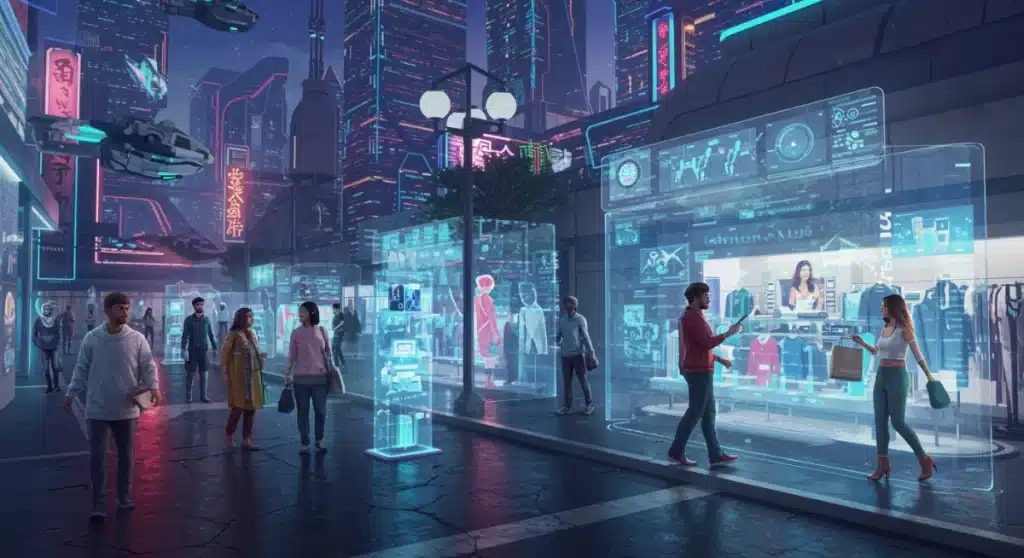
The metaverse will significantly transform US retail by 2025, creating new avenues for commerce through virtual storefronts, immersive experiences, and innovative digital product offerings.
The convergence of virtual worlds and physical commerce is no longer a distant dream but a rapidly approaching reality. The Metaverse and Commerce: Exploring 5 Key US Retail Opportunities Emerging in 2025 promises to reshape how consumers interact with brands and make purchases, presenting an unprecedented landscape for US retailers.
Understanding the metaverse retail landscape
The metaverse represents a persistent, interconnected set of virtual spaces where users can interact with each other, digital objects, and AI-driven entities. For retailers, this isn’t merely about selling goods in a new digital format; it’s about creating entirely new consumption experiences and forging deeper connections with customers. The US market, with its tech-forward consumer base and robust retail infrastructure, is particularly ripe for this transformation.
As virtual reality (VR) and augmented reality (AR) technologies become more accessible and sophisticated, the line between online and offline shopping will continue to blur. This evolution demands a strategic approach from retailers, moving beyond simple e-commerce to embrace immersive virtual environments. Early adopters are already experimenting with virtual showrooms and digital product launches, setting the stage for widespread adoption.
The foundational shift in consumer behavior
- Increased digital immersion: Consumers, especially younger demographics, are spending more time in virtual worlds, making these spaces prime locations for retail engagement.
- Demand for experiential shopping: Traditional online shopping often lacks the sensory and social aspects of physical retail. The metaverse fills this void with rich, interactive experiences.
- Ownership of digital assets: The rise of NFTs and blockchain technology has introduced the concept of verifiable ownership for digital items, fueling a new economy within virtual spaces.
Retailers ignoring these shifts risk being left behind. The metaverse offers a chance to innovate business models, reach new customer segments, and build brand loyalty in ways previously unimaginable. Success will hinge on understanding the technical capabilities and the psychological drivers behind metaverse adoption.
Opportunity 1: Immersive virtual storefronts and showrooms
One of the most immediate and impactful opportunities for US retailers in the metaverse is the creation of immersive virtual storefronts and showrooms. Unlike traditional e-commerce websites, these spaces allow customers to explore products in a 3D environment, interact with them, and even customize them before purchase. Imagine walking through a luxury car dealership in the metaverse, examining every detail of a new model, or trying on virtual clothes that drape realistically on your avatar.
These virtual spaces can transcend geographical limitations, offering a global reach without the overheads of physical stores. Brands can design highly curated experiences that reflect their identity, providing a level of engagement far beyond static images or videos. This approach caters to a generation of consumers who value experience and personalization above all else.
Enhanced product visualization and interaction
Virtual storefronts facilitate unparalleled product visualization. Customers can manipulate items, view them from all angles, and even see how they would look in different contexts. This reduces uncertainty and can significantly lower return rates, a persistent challenge in online retail.
- 3D product configurators: Allow customers to customize products like furniture, vehicles, or apparel in real-time within the virtual environment.
- Virtual try-on experiences: Avatars can virtually wear clothing, accessories, or even makeup, providing a realistic preview of how items fit and appear.
- Interactive product demonstrations: Brands can host live, interactive sessions where experts demonstrate products, answer questions, and engage with potential buyers in a dynamic setting.
The data collected from these interactions can also provide invaluable insights into customer preferences and behavior, enabling retailers to refine their offerings and marketing strategies. The potential for personalized recommendations and tailored promotions within these virtual spaces is immense, leading to more efficient sales funnels and higher customer satisfaction. This immersive retail strategy is not just about novelty; it’s about delivering tangible business value through enhanced customer experience.
Opportunity 2: Digital fashion and collectible NFTs
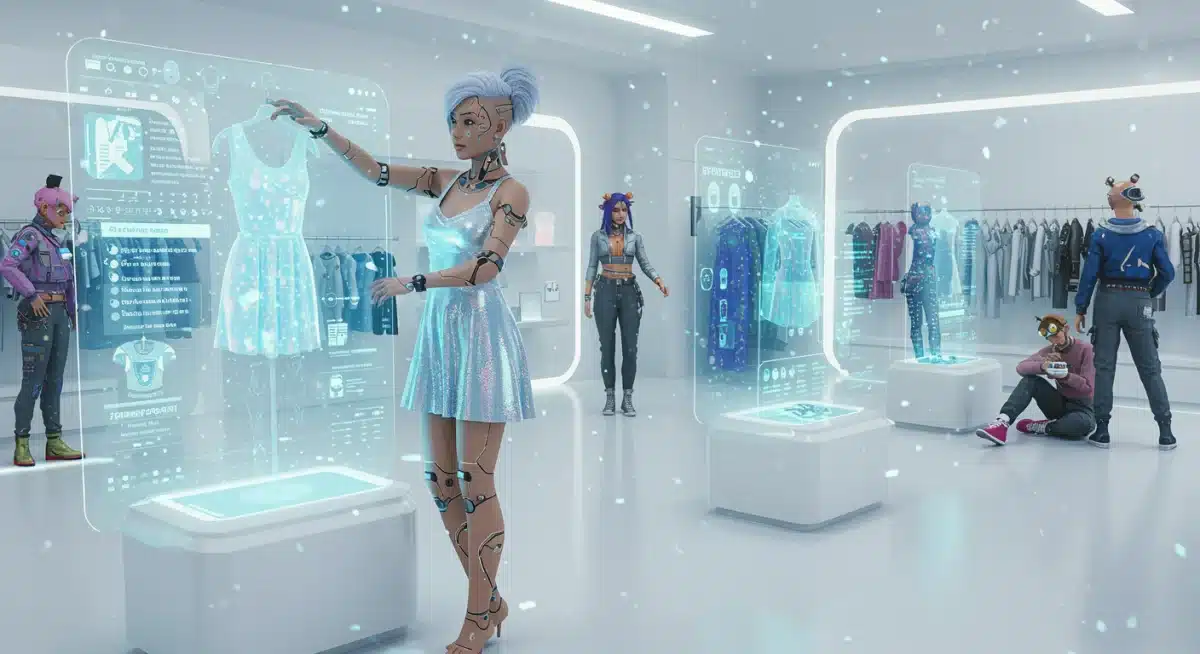
The rise of non-fungible tokens (NFTs) has unlocked a completely new revenue stream for retailers: digital fashion and collectibles. In the metaverse, avatars are extensions of users’ identities, and just as in the physical world, people want to express themselves through what their avatars wear and own. This has given birth to a burgeoning market for digital clothing, accessories, and unique virtual items that can be bought, sold, and traded.
Luxury brands have been quick to recognize this trend, launching exclusive digital collections that fetch high prices. But the opportunity isn’t limited to high fashion; mainstream retailers can also enter this space by creating branded digital apparel for popular metaverse platforms or offering unique collectible NFTs that grant access to exclusive real-world or virtual perks.

Bridging physical and digital economies
Digital fashion and NFTs offer a unique way to bridge the gap between physical and digital economies. Many brands are exploring “phygital” products, where the purchase of a physical item comes with its digital counterpart, or vice-versa. This creates added value for consumers and opens up new layers of engagement.
- Limited edition digital drops: Create scarcity and hype around digital fashion items, mirroring strategies used in physical streetwear and sneaker culture.
- NFT utility: Offer NFTs that not only serve as collectibles but also provide utility, such as exclusive access to virtual events, discounts on physical products, or unlockable content.
- Co-creation with consumers: Engage the community by allowing users to design or vote on future digital fashion items, fostering a sense of ownership and brand loyalty.
The appeal of digital assets lies in their uniqueness and provable ownership on the blockchain. For retailers, this means a new frontier for intellectual property, brand extension, and community building. By understanding the nuances of digital ownership and the desires for self-expression in virtual worlds, US retailers can tap into a highly engaged and financially invested consumer base, securing a significant share of this evolving market by 2025.
Opportunity 3: Experiential marketing and brand activation
Beyond direct sales, the metaverse presents an unparalleled platform for experiential marketing and brand activation. Retailers can create branded virtual worlds, host interactive events, or sponsor metaverse experiences that deeply immerse consumers in their brand narrative. This moves beyond traditional advertising, offering memorable interactions that build emotional connections and foster loyalty.
Imagine a sports apparel company hosting a virtual marathon in the metaverse, where participants’ avatars wear their latest gear, or a beverage company setting up a virtual concert venue with branded concession stands. These activations allow consumers to engage with a brand in a playful, social, and impactful way, leaving a lasting impression that static ads simply cannot achieve.
Creating memorable virtual events
The metaverse enables brands to host events that are not bound by physical space or logistical constraints. From product launches to fashion shows, the possibilities for creative and engaging virtual experiences are endless. These events can attract a global audience, generating significant buzz and media coverage.
- Virtual product launches: Introduce new items with interactive demonstrations, Q&A sessions with designers, and opportunities for immediate virtual purchase.
- Branded games and challenges: Develop mini-games or quests within the metaverse that feature brand elements and reward participants with digital assets or discounts.
- Metaverse concerts and festivals: Partner with artists or event organizers to create branded entertainment experiences that draw large virtual crowds.
The key to successful experiential marketing in the metaverse lies in authenticity and value. Simply porting a physical event into a virtual space won’t suffice; brands must leverage the unique capabilities of the metaverse to create experiences that are genuinely engaging and relevant to their target audience. By doing so, US retailers can elevate their brand presence, cultivate a strong community, and drive future sales through meaningful interactions.
Opportunity 4: New payment systems and digital currencies
The metaverse economy is largely built on digital currencies, including cryptocurrencies and in-platform tokens. This presents a significant opportunity for US retailers to integrate new payment systems, streamline transactions, and potentially reduce processing fees. Accepting cryptocurrencies not only caters to a tech-savvy demographic but also positions a brand as forward-thinking and innovative.
Beyond simple acceptance, retailers can explore issuing their own brand-specific digital tokens, which could be used for purchases, loyalty rewards, or even fractional ownership in certain ventures. This creates a closed-loop economy that strengthens brand ties and offers unique incentives to customers. The transition to these new financial paradigms requires careful planning but offers substantial long-term benefits.
Leveraging blockchain for secure transactions
Blockchain technology, which underpins cryptocurrencies and NFTs, provides a secure and transparent framework for all transactions within the metaverse. This inherent security can build greater trust with consumers regarding their digital purchases and financial interactions.
- Cryptocurrency integration: Implement payment gateways that support major cryptocurrencies, making it easy for metaverse users to spend their digital assets.
- Brand-specific tokens: Create utility tokens that offer exclusive benefits, discounts, or access to special content for holders.
- Decentralized finance (DeFi) partnerships: Explore collaborations with DeFi platforms to offer innovative financial services within the metaverse, such as micro-loans for digital purchases.
Embracing these new payment systems is not just about convenience; it’s about future-proofing retail operations. As the metaverse economy matures, digital currencies will become increasingly prevalent. Retailers who are proactive in adopting and innovating with these systems will gain a competitive advantage, attracting a digitally native customer base and unlocking new revenue streams by 2025. The US financial infrastructure is well-positioned to adapt to these changes, making it a fertile ground for innovation in digital commerce.
Opportunity 5: Data-driven personalization and AI integration
The metaverse generates an unprecedented amount of user data, offering retailers a golden opportunity for hyper-personalized shopping experiences. Every interaction, every movement, and every preference expressed by an avatar can be analyzed to create highly tailored recommendations, promotions, and virtual environments. This level of data insight goes far beyond what traditional e-commerce can provide.
Artificial intelligence (AI) will be crucial in processing this vast data, identifying patterns, and delivering personalized content in real-time. AI-powered virtual assistants can guide shoppers, answer questions, and even anticipate needs, making the shopping journey seamless and highly relevant. This personalization can significantly boost conversion rates and customer satisfaction.
AI-powered virtual assistants and predictive analytics
AI integration can transform customer service and sales within the metaverse. Virtual assistants can operate 24/7, providing instant support and personalized recommendations based on past behavior and current interests. Predictive analytics can help retailers understand future trends and optimize inventory.
- Personalized avatar styling: AI can suggest clothing and accessories based on an avatar’s appearance, user preferences, and current metaverse trends.
- Dynamic virtual store layouts: AI can adapt the layout and product displays of virtual storefronts in real-time based on individual shopper behavior and preferences.
- Sentiment analysis: AI can analyze user sentiment from interactions to gauge satisfaction and identify areas for improvement in products or experiences.
The ethical collection and use of this data will be paramount, requiring transparent policies and robust security measures. However, for retailers who navigate these challenges responsibly, the ability to offer truly individualized shopping journeys in the metaverse represents a colossal competitive advantage. By 2025, AI-driven personalization will be a cornerstone of successful metaverse retail, allowing US businesses to connect with consumers on a deeply personal and effective level, fostering unparalleled loyalty and engagement.
| Key Opportunity | Brief Description |
|---|---|
| Virtual Storefronts | Create immersive 3D retail spaces for product exploration and customization. |
| Digital Fashion & NFTs | Sell virtual clothing, accessories, and unique digital collectibles for avatars. |
| Experiential Marketing | Host engaging virtual events and brand activations to build deeper connections. |
| New Payment Systems | Integrate cryptocurrencies and explore brand-specific digital tokens for transactions. |
Frequently asked questions about metaverse retail
The metaverse for retail refers to persistent, interconnected virtual spaces where brands can establish immersive storefronts, host interactive events, and sell both physical and digital products. It offers a new dimension for customer engagement, allowing for 3D product exploration, virtual try-ons, and social shopping experiences that go beyond traditional e-commerce platforms.
Small US businesses can start by exploring existing metaverse platforms, establishing a virtual presence, or creating digital versions of their products. Collaborating with metaverse developers or agencies can help with initial setup. Focusing on niche digital collectibles or unique virtual experiences can also be a cost-effective entry point, building community before scaling up.
Yes, digital fashion NFTs represent a significant and growing market opportunity. Consumers are increasingly willing to spend on virtual clothing and accessories for their avatars to express identity in the metaverse. Brands can leverage this by creating unique digital collections, offering ‘phygital’ products, and building scarcity through limited edition drops, generating new revenue streams.
Key challenges include the high cost of initial development and ongoing maintenance for metaverse experiences, ensuring interoperability across different platforms, and addressing concerns around data privacy and security. Additionally, educating consumers about metaverse commerce and adapting marketing strategies to this new environment require significant investment and strategic planning from retailers.
AI will be transformative for metaverse retail personalization by processing vast amounts of user data to offer tailored recommendations, dynamic virtual store layouts, and intelligent virtual assistants. It will enable hyper-personalized shopping journeys, real-time customer support, and predictive analytics, significantly enhancing customer satisfaction and driving more effective sales strategies within virtual environments.
Conclusion
The metaverse is not just a technological fad but a profound shift that will redefine the landscape of commerce, particularly for US retailers. The five key opportunities—immersive virtual storefronts, digital fashion NFTs, experiential marketing, new payment systems, and AI-driven personalization—represent significant avenues for growth and innovation by 2025. Proactive engagement with these emerging trends will enable retailers to connect with consumers in unprecedented ways, build resilient brands, and secure a leading position in the next era of digital commerce.