Metaverse Commerce: $50 Billion Market by 2025
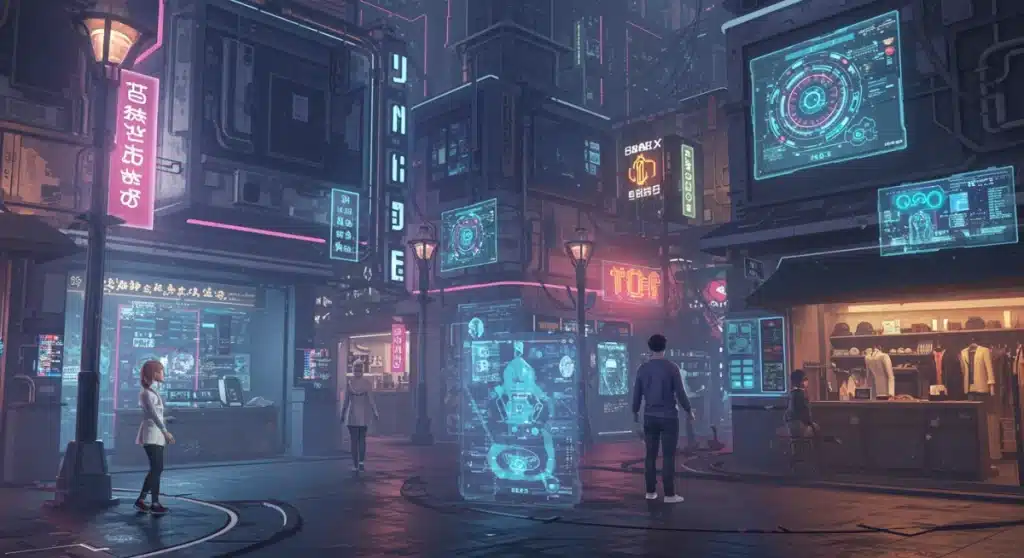
The metaverse is rapidly transforming into a significant commerce frontier, anticipated to command a $50 billion market by 2025 through immersive digital experiences and innovative transaction models.
The digital landscape is constantly evolving, and at its forefront stands the metaverse as a new commerce frontier: predicting a $50 billion market by 2025. This immersive, interconnected virtual world is no longer confined to science fiction; it is rapidly becoming a tangible reality, reshaping how we interact, socialize, and, crucially, how we conduct business. As technology advances and user adoption grows, the metaverse promises unprecedented opportunities for brands, retailers, and consumers alike, signaling a monumental shift in the global economy. This article delves into the burgeoning potential of this virtual realm, exploring the forces driving its growth and the transformative impact it is poised to have on commerce.
The Dawn of Digital Economies: Understanding the Metaverse
The metaverse represents a persistent, interconnected set of virtual spaces where users can interact with each other, digital objects, and AI-driven entities in real-time. It’s a convergence of virtual reality (VR), augmented reality (AR), artificial intelligence (AI), and blockchain technology, creating a shared online environment that blurs the lines between our physical and digital lives. This evolving ecosystem is more than just a gaming platform; it’s a parallel universe for social interaction, entertainment, education, and, most notably, commerce.
Understanding the fundamental components of the metaverse is crucial to grasping its commercial implications. It’s built on principles of decentralization and interoperability, aiming for a future where digital assets and identities can seamlessly transition between different virtual worlds. This interconnectedness fuels a new type of digital economy, where value is exchanged, goods are bought and sold, and services are rendered within virtual boundaries.
Key Pillars of Metaverse Development
Several technological advancements are converging to make the metaverse a reality, each playing a vital role in its commercial viability:
- Immersive Technologies: VR and AR headsets provide the gateway to experiencing the metaverse, offering unparalleled levels of immersion that enhance engagement and interaction.
- Blockchain and NFTs: Non-fungible tokens (NFTs) enable true digital ownership of assets within the metaverse, from virtual land and clothing to artwork and collectibles, fostering a robust digital economy.
- Artificial Intelligence: AI powers intelligent avatars, dynamic environments, and personalized experiences, making interactions more realistic and engaging.
- High-Speed Connectivity: 5G and future network technologies are essential for real-time, low-latency interactions across vast virtual spaces, critical for seamless commerce.
The metaverse is not a singular destination but a collection of interconnected experiences, each offering unique commercial prospects. From virtual concerts selling digital merchandise to digital fashion shows showcasing NFT apparel, the possibilities are only just beginning to unfold, creating a fertile ground for innovation and significant economic growth.
Brand Engagement in Virtual Worlds: A New Marketing Paradigm
As consumers spend more time in virtual spaces, brands are recognizing the immense potential for engagement and monetization within the metaverse. This isn’t just about recreating existing marketing strategies in a 3D environment; it’s about pioneering entirely new forms of interaction that leverage the unique capabilities of virtual worlds. Early adopters are already experimenting with innovative campaigns, building virtual storefronts, hosting digital events, and even creating brand-specific metaverse experiences.
The metaverse offers a level of immersion and interactivity unmatched by traditional digital platforms. Consumers can not only view products but also interact with them, try them on (virtually), and experience them in a simulated environment before making a purchase. This experiential marketing approach fosters deeper connections with brands and enhances the overall customer journey, moving beyond passive consumption to active participation.
Innovative Brand Strategies in the Metaverse
Brands are employing a variety of creative strategies to carve out their niche in this new digital frontier:
- Virtual Storefronts and Showrooms: Companies like Nike and Gucci have launched virtual stores where users can browse and purchase digital items for their avatars or even physical products with exclusive metaverse benefits.
- Experiential Marketing Events: Brands are hosting concerts, fashion shows, and product launches within virtual platforms, offering unique, interactive experiences that attract massive audiences.
- NFT Collections and Digital Assets: Creating limited-edition NFTs for virtual wearables, collectibles, or access passes generates hype and provides a new revenue stream, appealing to a tech-savvy audience.
- Co-creation and User-Generated Content: Empowering users to create and customize brand-related content within the metaverse fosters a sense of community and deeper brand loyalty.
The key to success in metaverse marketing lies in understanding the unique dynamics of virtual communities and offering genuine value that resonates with users. Brands that prioritize authentic engagement and innovative experiences will be best positioned to capitalize on this evolving commercial landscape, transforming passive consumers into active brand advocates within their digital ecosystems.
The Rise of Digital Goods and Services: Fueling the $50 Billion Market
A significant driver of the metaverse’s projected $50 billion market by 2025 is the burgeoning economy of digital goods and services. Unlike traditional e-commerce, where digital products are often supplementary, in the metaverse, digital items are intrinsic to the user experience. From avatar customization and virtual real estate to in-game assets and exclusive digital experiences, these offerings represent a massive and rapidly expanding market. The concept of ownership via NFTs has supercharged this trend, giving digital assets tangible value and tradability.
The demand for digital goods is fueled by a desire for self-expression, status, and utility within virtual worlds. Users are willing to invest in items that enhance their identity, provide unique functionalities, or simply offer aesthetic pleasure in their digital lives. This extends beyond simple cosmetics to complex digital services, such as virtual event planning, educational courses, and even professional consultations conducted entirely within the metaverse.

Categories of High-Value Digital Assets
Several categories of digital goods and services are currently dominating the metaverse economy:
- Virtual Land and Real Estate: Digital plots in metaverse platforms like Decentraland and The Sandbox are being bought and sold for millions, serving as venues for advertising, events, and virtual businesses.
- Fashion and Wearables: Brands are designing digital clothing and accessories for avatars, allowing users to express their style in virtual environments. These can be exclusive NFTs or mass-produced items.
- Gaming Assets: In-game items, characters, and upgrades often have real-world value and can be traded or sold, forming a core part of many metaverse experiences.
- Art and Collectibles: Digital art and unique collectibles, often represented as NFTs, are highly sought after by collectors and investors, creating a vibrant secondary market.
The ability to securely own, trade, and monetize these digital assets through blockchain technology has created a robust economic model. This digital scarcity and verifiable ownership are critical to the perceived value of metaverse goods, driving both consumer spending and investor interest, and laying the groundwork for substantial market expansion.
Challenges and Opportunities for Businesses in the Metaverse
While the commercial promise of the metaverse is immense, businesses venturing into this new frontier face a unique set of challenges alongside exciting opportunities. Navigating this nascent ecosystem requires strategic foresight, technological adaptation, and a deep understanding of evolving consumer behaviors. The rapid pace of development means that what works today may be obsolete tomorrow, demanding agility and continuous innovation.
One primary challenge is the technological barrier to entry. Developing immersive, interactive metaverse experiences requires significant investment in specialized talent and infrastructure. Furthermore, ensuring interoperability between different metaverse platforms remains a complex technical and standardization hurdle. On the consumer side, widespread adoption depends on accessible hardware and intuitive user interfaces that overcome current limitations.
Navigating the Metaverse Commercial Landscape
Businesses must consider several factors to succeed in the metaverse:
- Technological Adaptation: Investing in VR/AR development, blockchain integration, and AI capabilities is essential to create compelling metaverse experiences.
- Regulatory Uncertainty: The lack of clear regulations around digital ownership, data privacy, and taxation in virtual worlds presents legal and ethical challenges that require careful consideration.
- User Experience Design: Creating intuitive, engaging, and valuable experiences for users is paramount to attracting and retaining a metaverse audience.
- Intellectual Property Protection: Safeguarding digital assets and brand identity in a decentralized environment is crucial, requiring robust legal frameworks and technical solutions.
Despite these challenges, the opportunities are transformative. Early movers can establish strong brand presence, cultivate loyal communities, and tap into entirely new revenue streams. The metaverse offers a chance to redefine customer engagement, innovate product development, and build truly global, borderless businesses, making the investment worthwhile for those willing to embrace the future.
The Role of Web3 and Blockchain in Metaverse Commerce
The foundational technologies enabling the metaverse’s commercial potential are Web3 and blockchain. These decentralized technologies are not merely supplementary; they are intrinsic to the very definition of metaverse commerce, providing the infrastructure for digital ownership, secure transactions, and user empowerment. Without Web3’s promise of a more open and user-centric internet, the metaverse would likely remain a collection of siloed, company-controlled virtual experiences rather than a truly interconnected digital economy.
Blockchain technology, in particular, underpins the concept of digital scarcity and verifiable ownership through NFTs. This allows users to truly own their digital assets, a paradigm shift from previous online environments where platforms typically retained ultimate control. This ownership fosters a vibrant marketplace for digital goods, from virtual land to unique avatar accessories, creating real economic value within virtual worlds. Smart contracts facilitate trustless transactions, automating agreements and ensuring transparency.
Blockchain’s Impact on Metaverse Commerce
The integration of blockchain brings several critical advantages to the metaverse economy:
- True Digital Ownership: NFTs allow users to own unique digital assets, which can be bought, sold, and traded, creating a robust secondary market.
- Decentralized Finance (DeFi): Blockchain-based financial services, including lending, borrowing, and trading of virtual currencies, are emerging within the metaverse, offering new avenues for wealth creation.
- Secure and Transparent Transactions: All transactions on a blockchain are immutable and verifiable, reducing fraud and increasing trust among participants.
- Interoperability: While still evolving, blockchain aims to enable the seamless transfer of assets and identities across different metaverse platforms, fostering a truly open digital economy.
Web3’s vision of a decentralized internet empowers users with greater control over their data and digital identities, moving away from centralized corporate control. This user-centric approach is vital for building a sustainable and thriving metaverse economy, where participants are not just consumers but also creators and owners, collectively contributing to its growth and value. The synergy between Web3 and blockchain is thus indispensable for realizing the full commercial potential of the metaverse.
Predicting the $50 Billion Market by 2025: Key Growth Factors
The projection of a $50 billion metaverse commerce market by 2025 is not merely speculative; it is based on several converging growth factors that indicate a rapid acceleration in adoption and investment. This aggressive growth trajectory is fueled by technological maturity, increasing corporate interest, and a growing consumer appetite for immersive digital experiences. Understanding these drivers is key to appreciating the scale of the impending economic transformation.
One significant factor is the continued investment from tech giants and venture capitalists. Companies like Meta, Microsoft, and Nvidia are pouring billions into metaverse research and development, signaling a strong belief in its long-term viability. This investment drives innovation in hardware, software, and underlying infrastructure, making metaverse experiences more accessible and appealing to a broader audience. Furthermore, the increasing sophistication of VR/AR devices, becoming more affordable and user-friendly, will significantly lower the barrier to entry for consumers.
Drivers of Metaverse Market Expansion
Several critical elements are propelling the metaverse towards its projected valuation:
- Increased Corporate Investment: Major tech companies and brands are heavily investing in metaverse platforms, content creation, and infrastructure, validating its commercial potential.
- Growing Consumer Adoption: As VR/AR technology becomes more mainstream and accessible, a larger user base will flock to virtual worlds for entertainment, social interaction, and commerce.
- Maturation of Blockchain and NFTs: The enhanced understanding and acceptance of NFTs as a mechanism for digital ownership are unlocking new revenue streams and fostering a robust digital economy.
- Expansion of Use Cases: Beyond gaming and social interaction, the metaverse is expanding into education, healthcare, remote work, and professional services, diversifying its commercial applications.
The confluence of these factors creates a powerful momentum that is rapidly accelerating the metaverse’s economic development. As more users join, more content is created, and more businesses establish a presence, a positive feedback loop will drive exponential growth. The $50 billion forecast represents not just a prediction, but a reflection of the profound shift in how we will conduct commerce in the digital age, a shift that is already well underway.
| Key Aspect | Brief Description |
|---|---|
| Digital Ownership (NFTs) | Enables verifiable ownership of virtual assets, driving a new economy for digital goods and collectibles. |
| Immersive Experiences | VR/AR technologies create engaging environments for brand interaction and product exploration, enhancing customer journeys. |
| Brand Engagement | New marketing paradigms allow brands to build virtual storefronts, host events, and offer unique digital products. |
| Market Growth Drivers | Increased corporate investment, growing consumer adoption, and Web3 advancements are fueling rapid expansion. |
Frequently Asked Questions About Metaverse Commerce
Metaverse commerce refers to economic activities, including buying, selling, and trading goods and services, within persistent, interconnected virtual worlds. It encompasses everything from purchasing digital fashion for avatars to acquiring virtual real estate and attending ticketed virtual events.
This projection is driven by significant corporate investments in metaverse development, increasing consumer adoption of VR/AR technologies, the growth of NFT-backed digital ownership, and the expansion of metaverse use cases beyond gaming into various industries like retail, education, and entertainment.
NFTs (Non-Fungible Tokens) provide verifiable proof of ownership for unique digital assets within the metaverse. This enables secure buying, selling, and trading of items like virtual land, avatar wearables, and digital art, creating scarcity and value in the digital economy.
Brands can leverage the metaverse for immersive experiential marketing, creating virtual storefronts, hosting digital events, launching NFT collections, and fostering co-creation with users. This offers new avenues for customer engagement, brand loyalty, and direct monetization.
Key challenges include high development costs, technological barriers to entry, regulatory uncertainties regarding digital assets and data privacy, ensuring interoperability between platforms, and creating compelling user experiences that drive sustained engagement and adoption.
Conclusion
The metaverse stands on the brink of becoming a transformative force in global commerce, with a projected market size of $50 billion by 2025 underscoring its immense potential. This isn’t merely an incremental evolution of e-commerce; it’s a paradigm shift towards immersive, interactive, and decentralized digital economies. Brands and consumers are increasingly converging within these virtual realms, driven by technological advancements in VR, AR, AI, and blockchain, particularly NFTs which are redefining digital ownership. While challenges related to technology, regulation, and user experience persist, the opportunities for innovation, engagement, and new revenue streams are unparalleled. Businesses that strategically embrace this new frontier, focusing on authentic experiences and leveraging Web3 principles, are poised to capture significant value in the burgeoning metaverse commerce landscape, fundamentally reshaping the future of retail and interaction.