Blockchain’s Quiet Revolution in Supply Chain: Reducing Fraud by 20% and Improving Transparency by Q2 2026
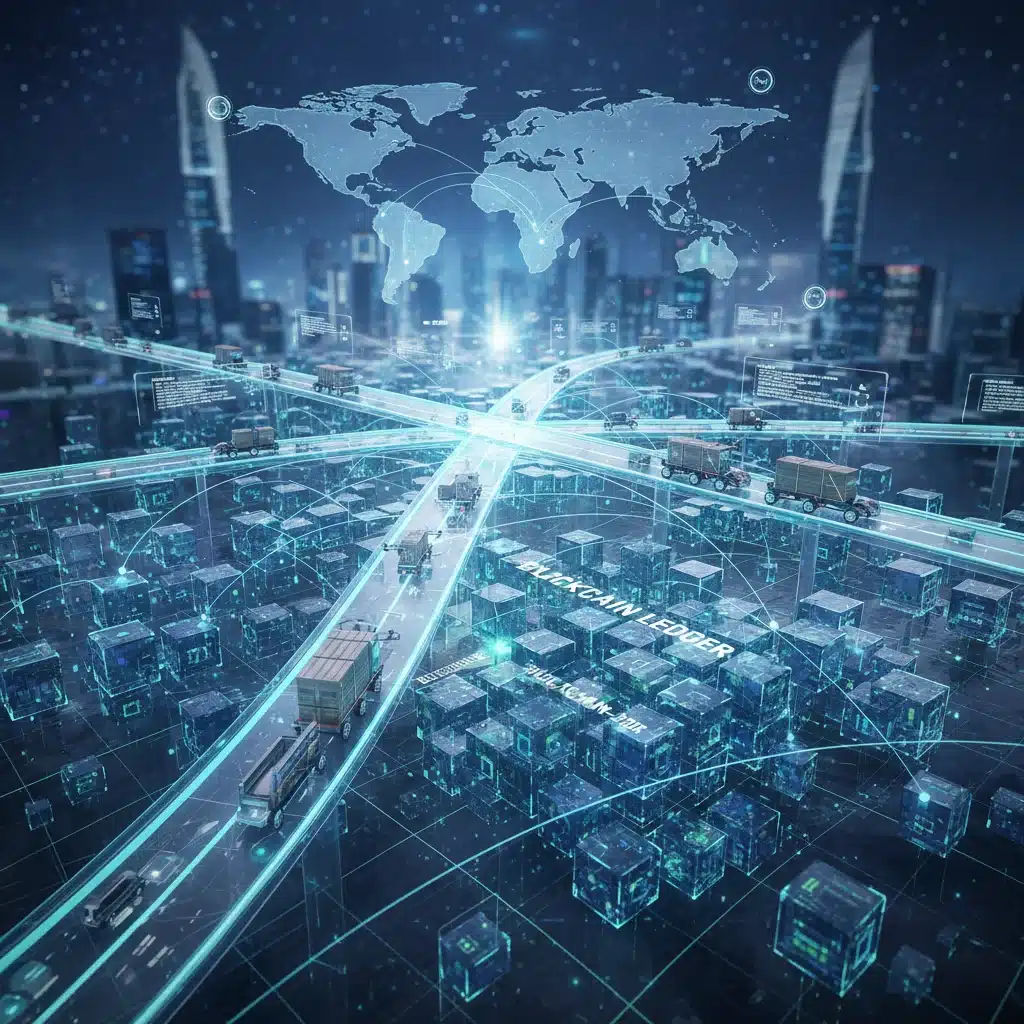
The global supply chain, a complex web of interconnected processes, has long been plagued by inefficiencies, lack of transparency, and persistent vulnerabilities to fraud. From counterfeit goods to unethical sourcing and opaque logistics, the challenges are immense. However, a quiet revolution is underway, spearheaded by the transformative power of blockchain supply chain technology. This distributed ledger technology (DLT) is not just a buzzword; it’s a fundamental shift promising to reshape the very foundations of how goods move from origin to consumer.
Industry experts and early adopters are projecting significant improvements, with forecasts indicating a remarkable 20% reduction in fraud and substantial enhancements in transparency within global supply chains by the second quarter of 2026. This isn’t merely an optimistic outlook; it’s a calculated expectation based on the inherent capabilities of blockchain to create immutable records, foster trust, and streamline operations. In this comprehensive exploration, we delve into how blockchain supply chain solutions are achieving these ambitious goals, examining the mechanisms, benefits, challenges, and the exciting future ahead.
The Enduring Challenges of Traditional Supply Chains
Before understanding the revolutionary impact of blockchain supply chain, it’s crucial to acknowledge the systemic issues that have historically hindered traditional supply chains. These challenges are multifaceted and often intertwined:
- Lack of Transparency: Often referred to as ‘black boxes,’ many supply chains lack end-to-end visibility. Companies often have limited insight into the journey of their products beyond immediate suppliers, making it difficult to verify origins, ethical practices, or quality at every stage.
- Vulnerability to Fraud and Counterfeiting: The global market for counterfeit goods is enormous, costing industries billions annually and posing significant risks to consumer safety. Traditional paper-based records or centralized digital systems are susceptible to tampering, making it easy for fraudulent items to infiltrate legitimate channels.
- Inefficiency and Manual Processes: Relying on disparate systems, manual data entry, and extensive paperwork leads to delays, errors, and increased operational costs. Reconciliation across multiple parties is often cumbersome and time-consuming.
- Disputes and Lack of Trust: Without a single, verifiable source of truth, disputes between suppliers, manufacturers, distributors, and retailers are common. Establishing trust among numerous independent entities in a complex chain is a constant battle.
- Slow Traceability: In the event of a recall or quality issue, pinpointing the exact origin and affected batch can be a lengthy and expensive process, exacerbated by fragmented data.
- Ethical Sourcing Concerns: Consumers increasingly demand ethically sourced and sustainable products. Verifying claims about labor practices, environmental impact, and material origins is challenging without robust, auditable records.
These challenges collectively undermine efficiency, erode consumer confidence, and pose significant financial risks. The need for a more robust, transparent, and secure solution has never been more pressing, paving the way for the emergence of blockchain supply chain technology.
How Blockchain Technology Addresses Supply Chain Pain Points
At its core, blockchain is a decentralized, distributed, and immutable ledger. Each ‘block’ in the chain contains a timestamped batch of transactions, and once added, it cannot be altered or removed. This fundamental characteristic provides the bedrock for addressing the aforementioned supply chain issues. Here’s how blockchain supply chain solutions are making a difference:
Enhanced Transparency and Traceability
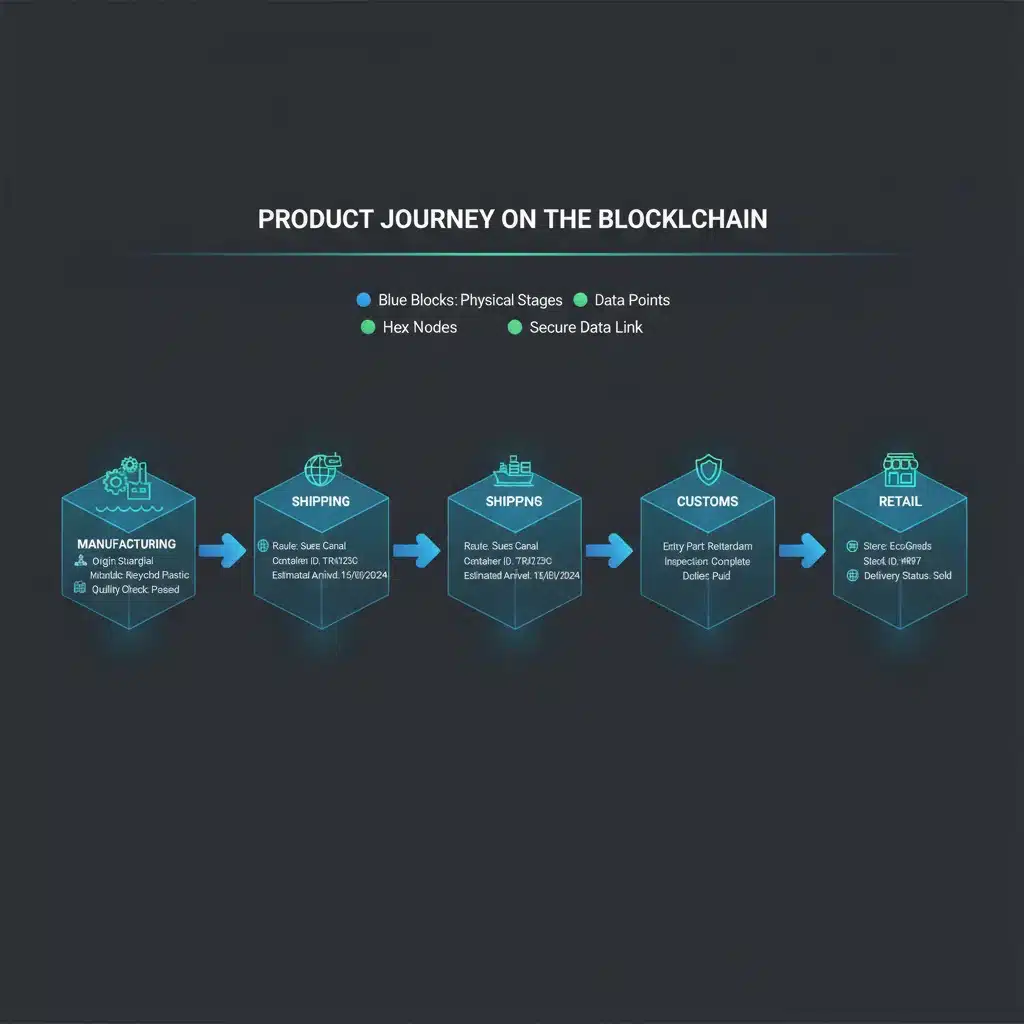
One of the most significant advantages of blockchain supply chain is its ability to provide unparalleled transparency. Every step a product takes, from raw material extraction to manufacturing, assembly, shipping, and retail, can be recorded as a transaction on the blockchain. This creates a complete, end-to-end digital audit trail that is accessible to all authorized participants in the network.
Imagine a consumer scanning a QR code on a product and instantly seeing its entire history: where the raw materials came from, who processed them, when and where it was manufactured, its shipping route, and even quality control checks. This level of visibility builds immense consumer trust and allows companies to demonstrate their commitment to ethical sourcing and sustainability. For businesses, it means real-time tracking, better inventory management, and the ability to quickly identify bottlenecks.
Drastic Reduction in Fraud and Counterfeiting
The immutable nature of blockchain is a powerful weapon against fraud and counterfeiting. Once a product’s unique identifier (e.g., a serial number or RFID tag) and its associated data are recorded on the blockchain, they cannot be changed. This makes it incredibly difficult for counterfeiters to introduce fake products into the legitimate supply chain, as their items would lack the verifiable blockchain entry.
Furthermore, any attempt to tamper with product data, such as altering origin or expiration dates, would be immediately evident to all network participants, as it would break the cryptographic link in the chain. This inherent security mechanism is why projections for a 20% fraud reduction by Q2 2026 are not only ambitious but also achievable through widespread adoption of blockchain supply chain solutions.
Streamlined Operations and Increased Efficiency
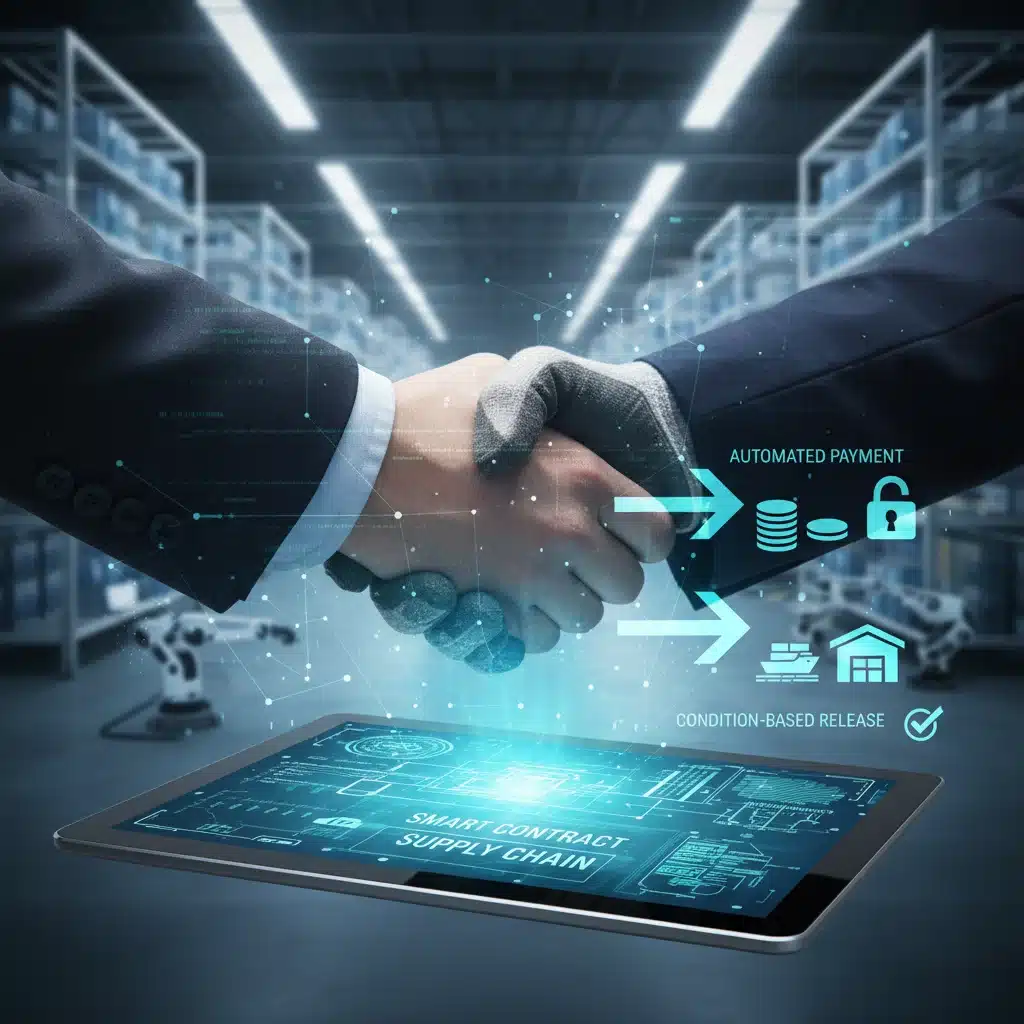
Blockchain supply chain technology facilitates greater operational efficiency through automation and reduced manual intervention. Smart contracts, self-executing agreements with the terms of the agreement directly written into code, play a pivotal role here. For example, a smart contract can automatically release payment to a supplier once a shipment is verified as received and inspected, eliminating delays and reducing administrative overhead.
This automation extends to customs clearance, regulatory compliance, and quality assurance processes. By digitizing and automating these steps, businesses can significantly cut down on paperwork, reduce human error, and accelerate the flow of goods, leading to substantial cost savings and faster time-to-market.
Enhanced Data Security and Integrity
The cryptographic security inherent in blockchain ensures that data is protected from unauthorized access and tampering. Each transaction is encrypted and linked to the previous one, forming an unbreakable chain. While the ledger is distributed, access to specific data can be permissioned, allowing companies to share sensitive information only with relevant parties while maintaining confidentiality. This robust security framework makes blockchain supply chain a highly reliable system for managing critical business data.
Improved Trust and Collaboration Among Stakeholders
In a traditional supply chain, trust is often built through long-term relationships and legal contracts, which can be slow and expensive to enforce. Blockchain, by providing a single, shared, and immutable source of truth, fundamentally shifts this dynamic. Participants no longer need to trust each other blindly; instead, they can trust the network and the verified data on the blockchain. This ‘trustless’ environment fosters greater collaboration, reduces disputes, and strengthens partnerships across the entire supply chain ecosystem, making blockchain supply chain a true game-changer.
Key Use Cases and Real-World Applications
The application of blockchain supply chain extends across various industries, demonstrating its versatility and impact:
- Food and Beverage: Companies like IBM Food Trust are using blockchain to trace food products from farm to fork. This allows for rapid identification of contamination sources during recalls, improving food safety and reducing waste. Consumers can verify organic claims or sustainable sourcing.
- Pharmaceuticals: Counterfeit drugs are a grave concern. Blockchain can track pharmaceuticals, ensuring their authenticity and preventing fake medications from reaching patients. It also helps comply with regulations like the Drug Supply Chain Security Act (DSCSA).
- Luxury Goods: Authenticity is paramount. Blockchain provides verifiable proof of origin and ownership for high-value items, combating counterfeiting and protecting brand reputation.
- Automotive: Tracing components, managing warranties, and ensuring the authenticity of spare parts are critical. Blockchain can create a secure record for every part, from manufacturing to installation.
- Retail and Apparel: Verifying ethical labor practices, sustainable materials, and combating ‘fast fashion’ waste are growing priorities. Blockchain offers transparency into the entire production process.
- Logistics and Shipping: Tracking containers, managing customs documentation, and automating payments upon delivery can significantly streamline complex international shipping processes.
These examples highlight how blockchain supply chain is moving beyond theoretical discussions to practical, impactful implementations that deliver tangible benefits.
The Path to 20% Fraud Reduction and Enhanced Transparency by Q2 2026
Achieving the ambitious target of a 20% reduction in fraud and significant transparency improvements by Q2 2026 requires a concerted effort and continued innovation. Several factors will contribute to this success:
- Increased Adoption Rates: As more industry leaders implement blockchain supply chain solutions and demonstrate their ROI, smaller players will be encouraged to follow suit, creating a network effect that strengthens the entire ecosystem.
- Standardization and Interoperability: The development of industry-wide standards and protocols will be crucial for seamless data exchange between different blockchain platforms and existing legacy systems. This interoperability will unlock the full potential of interconnected supply chains.
- Maturity of Technology: As blockchain technology matures, it will become more scalable, user-friendly, and cost-effective, lowering barriers to entry for businesses of all sizes.
- Regulatory Support: Governments and regulatory bodies recognizing the benefits of blockchain for compliance, consumer protection, and trade facilitation will accelerate its adoption.
- Focus on Education and Talent: A growing pool of skilled blockchain developers, architects, and business strategists will drive innovation and successful implementation.
The journey is not without its challenges, but the momentum behind blockchain supply chain is undeniable. The projected outcomes are not merely aspirational; they are grounded in the proven capabilities of the technology to create a more secure, efficient, and trustworthy global commerce environment.
Challenges and Considerations for Blockchain Adoption
While the benefits of blockchain supply chain are compelling, its widespread adoption faces several hurdles:
- Scalability: Public blockchains, like Bitcoin or Ethereum, can face scalability issues, impacting transaction speed and cost. Private or permissioned blockchains are often preferred for enterprise supply chains, offering better control and performance.
- Integration with Legacy Systems: Many companies operate with deeply entrenched legacy IT systems. Integrating blockchain solutions with these existing infrastructures can be complex and expensive.
- Data Privacy and Confidentiality: While transparency is a core feature, businesses often require confidentiality for sensitive data (e.g., pricing, proprietary processes). Permissioned blockchains with granular access controls are essential to balance transparency with privacy.
- High Initial Investment: Implementing a blockchain supply chain solution can require significant upfront investment in technology, infrastructure, and training.
- Consortium Building and Governance: For a blockchain network to be effective, all participants in the supply chain must agree to join and adhere to common rules. Building and governing such a consortium can be challenging.
- Lack of Standardization: The nascent nature of the technology means there’s a lack of universal standards, which can hinder interoperability between different blockchain platforms.
Addressing these challenges requires careful planning, strategic partnerships, and a clear understanding of the specific needs and complexities of each supply chain. However, as the technology evolves and best practices emerge, these barriers are steadily being overcome.
The Future of Supply Chains with Blockchain
Looking beyond 2026, the future of supply chains powered by blockchain supply chain technology promises an even more integrated and intelligent ecosystem. We can anticipate:
- Hyper-Personalized Supply Chains: Real-time data from blockchain, combined with AI and IoT, will enable highly adaptable supply chains that can respond dynamically to individual customer demands and market fluctuations.
- Circular Economy Facilitation: Blockchain can track product lifecycles, enabling efficient recycling, reuse, and repair initiatives, thereby supporting the transition to a more sustainable circular economy.
- Decentralized Autonomous Organizations (DAOs) in Logistics: Entire segments of the supply chain could potentially be managed by DAOs, where decisions are made by collective consensus recorded on the blockchain, further decentralizing control and increasing fairness.
- Enhanced Regulatory Compliance: Automated compliance checks and immutable records will make it easier for businesses to meet complex international regulations, reducing legal risks and penalties.
- New Business Models: The transparency and trust enabled by blockchain will foster innovative business models, such as fractional ownership of assets in transit or new forms of supply chain financing.
The quiet revolution of blockchain supply chain is not just about incremental improvements; it’s about fundamentally rethinking and rebuilding the infrastructure of global commerce. The projected milestones of fraud reduction and enhanced transparency by Q2 2026 are just the beginning of a much larger transformation.
Conclusion: A New Era of Trust and Efficiency
The journey of a product from its raw materials to the hands of a consumer is a testament to global cooperation and intricate logistics. Yet, this journey has long been shadowed by vulnerabilities to fraud, a lack of visibility, and operational inefficiencies. The emergence and increasing adoption of blockchain supply chain technology are now illuminating this path, ushering in a new era of trust, transparency, and efficiency.
With clear projections for a 20% reduction in fraud and significant improvements in transparency by Q2 2026, blockchain is proving to be more than just a technological advancement; it is a strategic imperative for businesses aiming to thrive in an increasingly complex global marketplace. By providing an immutable, distributed, and secure ledger, blockchain empowers stakeholders with real-time, verifiable data, fostering unprecedented collaboration and accountability.
As industries continue to embrace and integrate these powerful solutions, the once-quiet revolution of blockchain supply chain will undoubtedly become a loud testament to human ingenuity, reshaping global commerce for the better and ensuring a more secure, ethical, and efficient future for all.