Gig Economy’s 40% Last-Mile Delivery Growth for US Retail
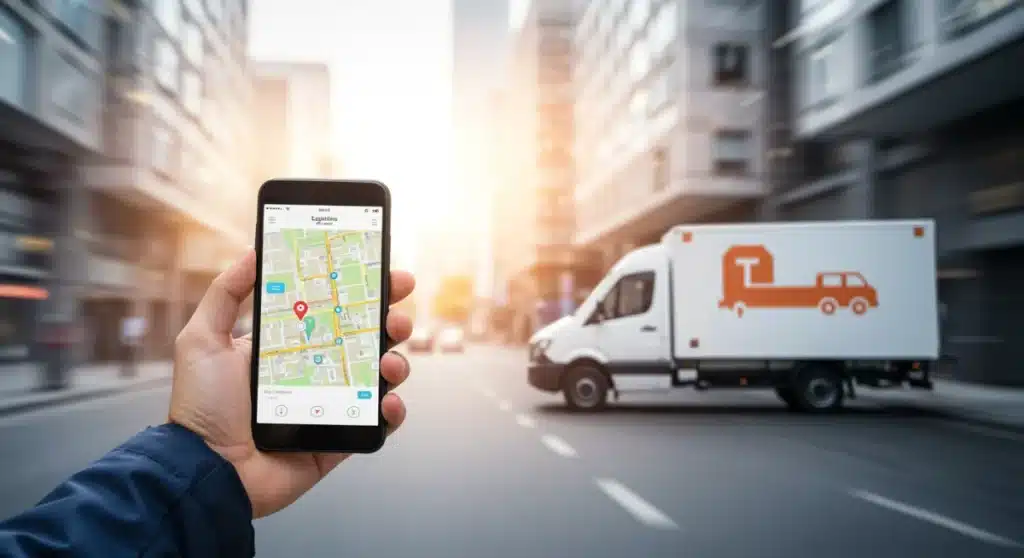
The gig economy is poised to drive a remarkable 40% growth in last-mile delivery for US retail over the next year, fundamentally transforming logistics, consumer fulfillment, and operational strategies for businesses nationwide.
The profound influence of the gig economy on last-mile delivery is reshaping how US retail operates, with a projected 40% growth in the next 12 months. This significant shift demands a closer look at the mechanisms driving such rapid expansion and its implications for both businesses and consumers.
Understanding the last-mile delivery surge
The last mile, the final leg of a product’s journey from a distribution center to the customer’s doorstep, has always been the most complex and costly part of the supply chain. Historically, it was a bottleneck, but the advent of the gig economy has dramatically altered this landscape, turning a challenge into a competitive advantage for many retailers.
This surge isn’t merely incremental; it represents a fundamental re-evaluation of logistics. Retailers are increasingly leveraging flexible, on-demand labor pools to meet fluctuating consumer demands, especially in urban and suburban areas. The ability to scale delivery operations up or down without the overhead of a traditional fleet is a game-changer.
The shift to on-demand fulfillment
Consumers now expect rapid delivery, often within hours, a expectation largely shaped by e-commerce giants. The gig economy provides the agility needed to meet these heightened expectations without massive capital investment in fixed assets. This model allows for:
- Faster delivery times, improving customer satisfaction.
- Increased operational flexibility to handle peak demands.
- Reduced overhead costs associated with permanent delivery fleets.
- Broader geographic reach for localized delivery services.
The growth projection of 40% underscores a clear trend: the gig economy is not just a temporary fix but a foundational element of future retail logistics. Businesses that fail to adapt risk falling behind competitors who embrace this model for its efficiency and responsiveness.
In essence, the last-mile delivery surge fueled by the gig economy is a testament to its capacity to innovate and optimize. It allows retailers to navigate the complexities of modern consumer expectations, offering speed and convenience that were once unimaginable for many.
Economic drivers behind gig growth in retail
Several powerful economic factors are converging to propel the gig economy’s expansion within the retail sector, particularly for last-mile services. These drivers collectively create a compelling case for businesses to integrate gig workers into their operational models, fostering the projected 40% growth.
Cost efficiency stands out as a primary motivator. Traditional delivery models involve significant expenses related to vehicle maintenance, fuel, insurance, and full-time employee benefits. The gig model, by contrast, externalizes many of these costs to independent contractors, offering a more variable and often lower operational expenditure.
Lower operational overheads
By utilizing independent contractors, retailers can significantly reduce their fixed costs. This translates into healthier margins and the ability to offer more competitive delivery pricing to consumers. The shift from a fixed-cost model to a variable-cost structure provides immense financial flexibility. Key benefits include:
- Reduced capital investment in delivery vehicles.
- Elimination of employment-related benefits for drivers.
- Lower administrative burden associated with managing a large employee base.
This economic advantage allows smaller retailers to compete with larger players who have established complex logistics networks. It democratizes access to efficient delivery services, leveling the playing field in an increasingly competitive market.
Furthermore, the gig economy offers unparalleled scalability. Retailers can quickly adjust their delivery capacity based on real-time demand, avoiding the inefficiencies of overstaffing during slow periods or understaffing during peak seasons. This elasticity is crucial for managing unpredictable consumer behavior and seasonal spikes, ensuring that delivery promises are consistently met without incurring unnecessary costs.
The economic drivers, from cost savings to unparalleled scalability, firmly position the gig economy as an indispensable component for retailers aiming to thrive in the dynamic last-mile delivery landscape. Its ability to optimize resources and adapt to market fluctuations is critical for sustained growth.
Technological innovations enabling rapid expansion
The impressive growth in gig economy-driven last-mile delivery would not be possible without significant technological advancements. These innovations serve as the backbone, providing the infrastructure and tools necessary for efficient coordination, real-time tracking, and seamless communication between retailers, gig workers, and customers.
Platform technology, in particular, has revolutionized how delivery services are managed. Sophisticated algorithms now optimize routes, assign deliveries based on proximity and efficiency, and predict demand patterns. This level of algorithmic precision ensures that deliveries are not just fast, but also cost-effective and environmentally conscious.
Advanced logistics software
Modern logistics software integrates various data points to create highly optimized delivery networks. These systems consider traffic conditions, weather, delivery windows, and driver availability to generate the most efficient routes. This translates into:
- Minimizing fuel consumption and travel time.
- Maximizing the number of deliveries per driver.
- Providing accurate estimated times of arrival (ETAs) to customers.
Beyond route optimization, these platforms also facilitate dynamic pricing models, enabling retailers to adjust delivery fees based on demand and driver availability. This flexibility helps balance supply and demand within the gig workforce, ensuring that there are always enough drivers to meet consumer needs.
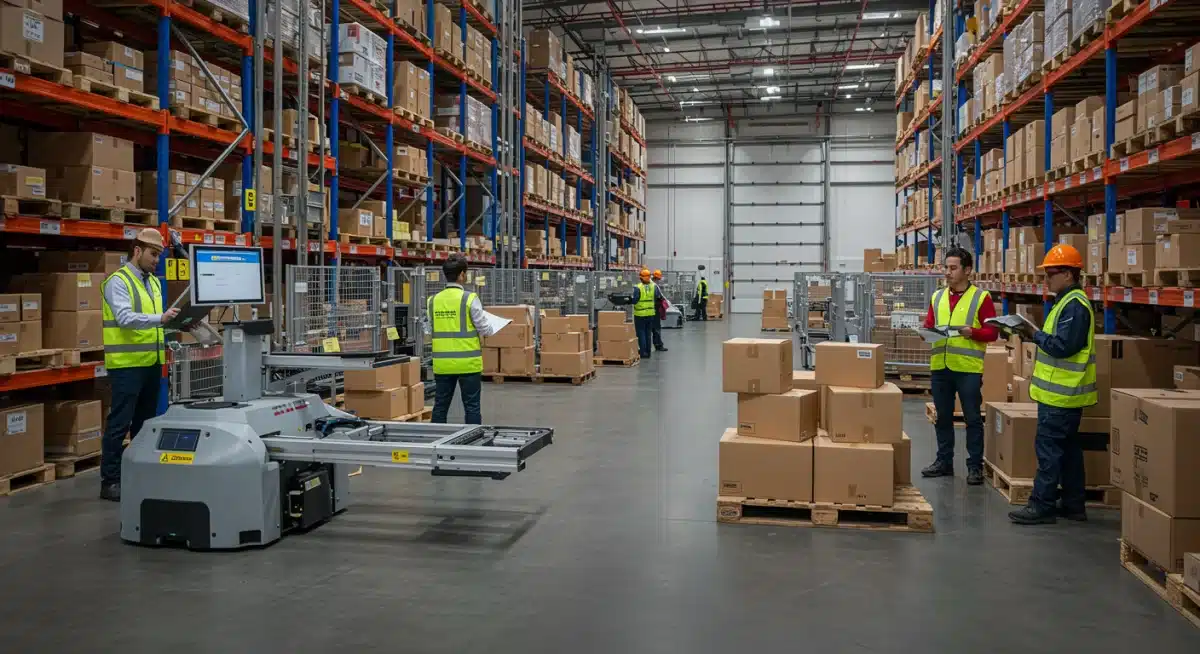
Real-time tracking and communication tools further enhance the efficiency and transparency of last-mile delivery. Customers can track their orders from dispatch to arrival, reducing anxiety and improving satisfaction. Gig workers benefit from clear instructions and instant support, while retailers gain valuable insights into their delivery performance.
Ultimately, technological innovations are the unsung heroes of the gig economy’s last-mile delivery boom. They provide the intelligence and connectivity required to manage complex operations with unprecedented efficiency, making the 40% growth projection not just ambitious, but eminently achievable.
Impact on US retail and consumer behavior
The gig economy’s influence on last-mile delivery has profoundly reshaped the US retail landscape and fundamentally altered consumer behavior. This symbiotic relationship, driven by convenience and speed, is a key factor in the projected 40% growth, creating both opportunities and challenges for businesses.
For US retail, the primary impact is the ability to meet heightened customer expectations for immediate gratification. Retailers can now offer delivery speeds that were once exclusive to large e-commerce players, thereby broadening their competitive reach. Small and medium-sized businesses, in particular, can leverage gig platforms to expand their customer base beyond immediate geographical limits.
Reshaping consumer expectations
Consumers have become accustomed to instant access and rapid fulfillment. The availability of same-day or even hourly delivery has become a significant differentiator, influencing purchasing decisions. This shift in expectations means:
- Increased demand for fast and flexible delivery options.
- Higher customer loyalty for retailers offering superior delivery services.
- A willingness to pay a premium for convenience in certain situations.
This new consumer paradigm forces retailers to prioritize efficient last-mile solutions. Those who adapt quickly can capture a larger market share, while those who lag may see customer attrition. The gig economy offers a viable, scalable path to meet these evolving demands without the prohibitive costs of building proprietary delivery networks.
Moreover, the integration of gig workers into delivery operations allows for greater personalization of services. From specific drop-off instructions to direct communication with the driver, the last-mile experience can be tailored to individual customer needs, further enhancing satisfaction and brand perception. This level of customization was previously difficult to achieve at scale.
The gig economy’s impact is not just about speed; it’s about redefining the entire retail-consumer interaction. It empowers retailers to be more responsive and agile, while simultaneously accustoming consumers to an unprecedented level of convenience and choice in their shopping experiences.
Challenges and considerations for sustainable growth
While the gig economy offers immense potential for last-mile delivery in US retail, realizing the projected 40% growth sustainably requires addressing several significant challenges and considerations. These issues range from regulatory complexities to ensuring a consistent quality of service and driver satisfaction.
Regulatory frameworks for gig workers remain a contentious area. The classification of gig workers as independent contractors rather than employees has led to debates over benefits, minimum wage, and collective bargaining rights. Uncertainty in these areas can create legal risks for platforms and retailers, potentially impacting operational stability.
Ensuring fair labor practices
Maintaining a satisfied and motivated gig workforce is crucial for long-term success. Issues such as adequate compensation, access to basic benefits, and transparent working conditions are vital for attracting and retaining reliable drivers. Addressing these concerns is not just ethical; it’s a business imperative. Key considerations include:
- Developing clear and fair compensation models.
- Exploring benefit options or partnerships for gig workers.
- Providing clear communication channels and support.
Another significant challenge lies in maintaining consistent service quality. Unlike a dedicated employee fleet, gig workers are independent, and their performance can vary. Retailers must implement robust vetting processes, continuous performance monitoring, and feedback mechanisms to ensure that the last-mile experience consistently meets customer expectations.
Furthermore, the environmental impact of increased last-mile deliveries, particularly in densely populated areas, is a growing concern. Retailers and gig platforms need to explore sustainable practices, such as optimizing routes to reduce emissions, utilizing electric vehicles, and consolidating deliveries where feasible, to mitigate their ecological footprint.
Addressing these challenges proactively will be critical for the gig economy to not only achieve its projected growth but also to ensure that this expansion is sustainable, equitable, and beneficial for all stakeholders involved in the last-mile delivery ecosystem.
Future outlook: Innovation and adaptation
Looking ahead, the future of last-mile delivery, heavily influenced by the gig economy, promises continued innovation and adaptation. The projected 40% growth for US retail in the next 12 months is merely a stepping stone toward a more integrated, intelligent, and flexible delivery ecosystem. This evolution will be driven by emerging technologies and evolving business strategies.
One key area of innovation will be the further integration of artificial intelligence (AI) and machine learning (ML) into logistics platforms. These technologies will move beyond basic route optimization to predictive analytics, anticipating demand, optimizing inventory placement, and even forecasting potential delivery delays before they occur.
Emerging delivery methods
While human-driven gig delivery will remain central, we can expect to see increasing experimentation and deployment of alternative delivery methods. These innovations aim to further enhance efficiency and reduce costs:
- Drone delivery for specific packages and locations.
- Autonomous vehicles for predefined routes or warehouse-to-hub transfers.
- Robot delivery for short-distance, localized fulfillment in urban areas.
These emerging methods, while still in various stages of development and regulatory approval, will likely complement the human gig workforce, taking on tasks that are repetitive, dangerous, or highly localized. The future will involve a hybrid model, leveraging the strengths of both human flexibility and automated precision.
Retailers will also need to adapt their store layouts and fulfillment centers to better support last-mile operations. This could involve creating dedicated pick-up zones for gig drivers, optimizing inventory for faster packing, and implementing micro-fulfillment centers closer to urban consumers to reduce delivery distances.
The future outlook for last-mile delivery within the gig economy is one of dynamic evolution. Continuous innovation in technology, coupled with strategic adaptations by retailers, will be essential to sustain growth and meet the ever-increasing demands of the modern consumer, solidifying the gig economy’s role as a market disruptor.
| Key Point | Brief Description |
|---|---|
| 40% Growth Projection | US retail last-mile delivery is set to grow 40% in 12 months, driven by the gig economy. |
| Economic Efficiency | Gig model offers lower operational costs and greater scalability compared to traditional fleets. |
| Tech Integration | Advanced AI, ML, and logistics software are crucial for optimizing routes and managing demand. |
| Consumer Expectations | Rapid delivery options are now standard, influencing purchasing decisions and retailer competitiveness. |
Frequently asked questions
The 40% growth is primarily driven by the gig economy’s ability to provide flexible, on-demand labor, coupled with increasing consumer expectations for rapid delivery and significant technological advancements in logistics optimization.
Retailers benefit from reduced operational overheads, enhanced scalability to meet fluctuating demand, and the ability to offer faster, more competitive delivery options without investing heavily in traditional delivery fleets or full-time staff.
Advanced logistics software, AI-driven route optimization, real-time tracking, and predictive analytics are crucial. These technologies ensure efficiency, transparency, and seamless coordination between all parties involved in the delivery process.
Key challenges include navigating evolving regulatory frameworks for gig workers, ensuring fair labor practices and driver satisfaction, maintaining consistent service quality, and mitigating the environmental impact of increased deliveries.
Future evolution will likely involve greater integration of AI and ML, the emergence of hybrid delivery models utilizing drones and autonomous vehicles, and adaptations in retail infrastructure to support more efficient, localized fulfillment options.
Conclusion
The gig economy’s transformative role in last-mile delivery is undisputable, setting the stage for a remarkable 40% growth in US retail over the coming year. This expansion is not merely a quantitative increase but a qualitative shift, redefining operational efficiencies, consumer expectations, and competitive landscapes. While challenges surrounding regulation, labor practices, and sustainability persist, the ongoing innovation in technology and strategic adaptation by retailers suggest a robust and dynamic future. Businesses that embrace these changes, leveraging the flexibility and scalability of the gig model, are best positioned to thrive in the evolving retail ecosystem, ultimately delivering unparalleled convenience to the modern consumer.