Physical Store Evolution: 7 Concepts Boosting US Retail Traffic by 18% in 2025
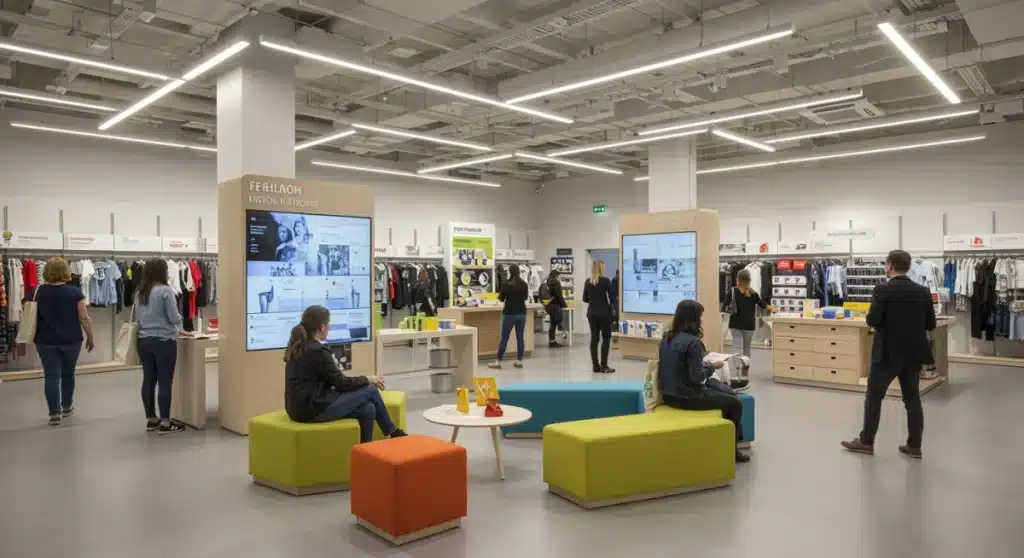
The physical store evolution is marked by innovative concepts, offering unique experiences that are projected to increase US retail foot traffic by 18% in 2025 through enhanced engagement and personalized services.
The landscape of retail is undergoing a profound transformation, challenging traditional notions of brick-and-mortar shopping. Far from becoming obsolete, the physical store is reinventing itself, emerging as a dynamic hub for experience, community, and personalized service. This shift is not merely about survival but about thriving in an increasingly digital world, with projections indicating that innovative concepts could drive an 18% increase in foot traffic for US retailers by 2025. This article delves into seven groundbreaking strategies redefining the physical retail experience.
Experiential Retail: Beyond Transactions
Experiential retail moves beyond the simple exchange of goods for money, focusing instead on creating memorable moments for customers. This approach transforms stores into destinations where shopping is just one component of a broader, engaging activity. Retailers are finding that by offering unique in-store experiences, they can significantly increase dwell time and customer loyalty, translating directly into higher sales figures.
Curating Unique Customer Journeys
Creating a unique customer journey involves understanding consumer desires for engagement and entertainment. This means designing spaces that invite exploration and interaction, making each visit feel less like a chore and more like an adventure. Brands are investing in sensory experiences, from ambient music and curated scents to visually stimulating displays, all designed to immerse the customer in the brand’s world.
- Interactive Workshops: Offering classes or workshops related to products, like cooking classes at a kitchenware store or DIY sessions at a home improvement retailer.
- Brand Immersion Zones: Dedicated areas where customers can fully experience a brand’s ethos through multimedia, product testing, and expert consultations.
- Personalized Consultations: One-on-one sessions with specialists for styling, tech support, or product recommendations, elevating the service aspect.
The goal is to foster an emotional connection with the brand, making the store a place customers want to visit, not just need to visit. This emotional resonance is a powerful driver of repeat business and positive word-of-mouth.
Ultimately, experiential retail is about cultivating a community around the brand. When customers feel a sense of belonging and enjoyment in a store, they are more likely to return, spend more, and advocate for the brand. This strategy is proving vital for retailers looking to differentiate themselves in a competitive market.
Showrooming and BOPIS: Blending Digital and Physical
The rise of e-commerce initially posed a threat to brick-and-mortar, but smart retailers are now embracing a hybrid model. Showrooming, where customers view products in-store and purchase online, and Buy Online, Pick Up In Store (BOPIS) are two prime examples of how digital and physical retail can complement each other, creating a seamless shopping experience. These models cater to modern consumer preferences for convenience and flexibility.
Optimizing the Omnichannel Experience
An optimized omnichannel experience ensures that customers can move effortlessly between online and offline channels. This means consistent branding, inventory visibility, and customer service across all touchpoints. For businesses, this integration leads to increased efficiency and a more holistic view of customer behavior.
BOPIS, in particular, has seen explosive growth, offering customers the speed of online shopping with the immediacy of in-store pickup. This not only saves on shipping costs but also drives additional foot traffic, as customers often make impulse purchases when picking up their orders.
- Dedicated Pickup Zones: Streamlined areas for quick order collection, often with separate entrances or express lanes.
- In-Store Returns/Exchanges: Facilitating easy returns of online purchases, further driving store visits.
- Inventory Integration: Real-time inventory updates across all platforms, preventing stock-outs and improving customer satisfaction.
Showrooming, while sometimes seen as a challenge, can be leveraged by retailers to reduce inventory holding costs in prime retail locations. By displaying a curated selection of products and offering immediate online ordering, stores can maximize their footprint’s effectiveness.
The synergy between digital and physical channels is no longer a luxury but a necessity. Retailers who successfully integrate these aspects are better positioned to meet evolving consumer demands and enhance overall satisfaction.
Community Hubs: More Than Just a Store
Transforming physical stores into community hubs involves creating spaces that serve a broader purpose than just selling products. These stores become gathering places, offering services, events, and opportunities for social interaction that resonate with local residents. This strategy fosters deeper connections with customers and builds brand loyalty beyond transactional relationships.
Fostering Local Engagement
Local engagement is key to establishing a store as a community hub. This means understanding the needs and interests of the surrounding area and tailoring offerings accordingly. Whether it’s hosting local artists, providing co-working spaces, or organizing charity events, these initiatives position the store as a valuable asset to the neighborhood.
For example, bookstores are hosting author readings and book clubs, while coffee shops are becoming popular remote work locations. These activities generate organic foot traffic and create a sense of belonging among customers, making them more likely to support the business.
- Event Spaces: Designating areas for community events, workshops, or pop-up markets.
- Local Partnerships: Collaborating with local businesses, artists, or non-profits to offer unique products or services.
- Flexible Layouts: Creating adaptable store layouts that can be easily reconfigured for different community functions.
The benefits extend beyond increased foot traffic; stores gain invaluable insights into their customer base and reinforce their brand identity as a socially responsible and community-minded entity.
By becoming a vital part of the community fabric, physical stores ensure their relevance and develop a loyal customer base that values more than just products. This human-centric approach is a powerful differentiator in today’s retail landscape.
Hyper-Personalization with AI and Data
The integration of artificial intelligence (AI) and data analytics allows physical stores to offer hyper-personalized experiences that rival or even surpass online recommendations. By collecting and analyzing customer data, retailers can tailor product assortments, promotions, and in-store interactions to individual preferences, significantly enhancing the shopping journey.
Tailoring the In-Store Experience
Tailoring the in-store experience means using insights from online behavior, loyalty programs, and in-store tracking to create a customized environment for each shopper. This could involve personalized greetings, curated product displays based on past purchases, or real-time recommendations delivered via mobile apps.
For instance, smart mirrors can suggest outfits based on body type and style preferences, while AI-powered kiosks can guide customers to products they’re likely to enjoy. This level of personalization makes customers feel understood and valued, leading to increased satisfaction and sales.
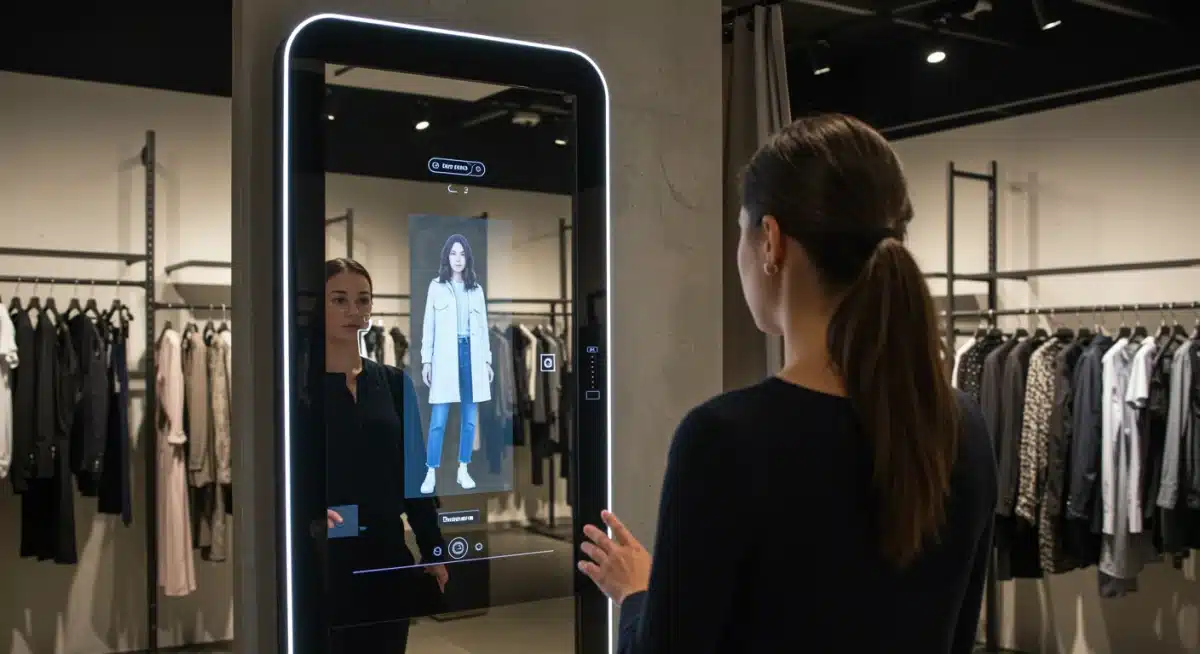
The key is to use data ethically and transparently, ensuring customers feel comfortable with the level of personalization. When done right, AI and data can transform a generic shopping trip into a highly relevant and enjoyable experience.
- Smart Kiosks: Interactive stations offering personalized product information, recommendations, and self-checkout options.
- Personal Shopping Assistants: AI-powered tools that assist staff in providing tailored advice and product selections.
- Dynamic Pricing: Adjusting prices in real-time based on demand, inventory, and individual customer profiles.
By leveraging technology to understand and anticipate customer needs, physical stores can create a truly unique and compelling shopping environment that drives engagement and loyalty. This strategic use of data is crucial for the future of retail.
Pop-Up Stores and Flexible Formats
Pop-up stores and flexible retail formats offer brands agility and the ability to test new markets or concepts without the long-term commitment of a traditional lease. These temporary installations create a sense of urgency and exclusivity, drawing in customers eager to experience something new and limited-time.
Agility in Retail Strategy
Agility in retail strategy means being able to adapt quickly to changing consumer trends and market conditions. Pop-ups allow brands to experiment with different locations, product lines, and experiential elements, gathering valuable feedback before making larger investments. This iterative approach minimizes risk and maximizes innovation.
For consumers, pop-ups offer a fresh and exciting reason to visit a physical location. The temporary nature of these stores creates buzz and encourages immediate action, as customers know the opportunity won’t last forever. This can be particularly effective for seasonal products or exclusive collaborations.
- Themed Pop-Ups: Stores designed around specific events, holidays, or cultural trends to create a unique atmosphere.
- Location Scouting: Strategically placing pop-ups in high-traffic areas, festivals, or neighborhoods with target demographics.
- Brand Collaborations: Partnering with other brands for joint pop-up ventures, expanding reach and offering diverse products.
Beyond sales, pop-ups are excellent tools for brand building and market research. They provide direct customer interaction and allow for quick adjustments based on real-world performance, making them an indispensable part of modern retail.
The flexibility of these formats ensures that physical retail remains dynamic and responsive, continually offering novel experiences that attract and retain customer attention. This innovation is key to maintaining relevance in a fast-paced market.
Sustainable and Ethical Retail Spaces
As consumer awareness of environmental and social issues grows, sustainable and ethical retail spaces are becoming increasingly important. Stores that prioritize eco-friendly practices, transparent supply chains, and social responsibility resonate deeply with values-driven shoppers, fostering trust and loyalty.
Building Trust Through Values
Building trust through values involves more than just marketing claims; it requires genuine commitment to sustainable practices throughout the entire retail operation. This includes everything from sustainable sourcing and energy-efficient store design to ethical labor practices and waste reduction initiatives.
Customers are increasingly willing to pay a premium for products and services from brands that align with their values. Stores that visibly demonstrate their commitment to sustainability, for example, through recycled materials in store design or clear labeling of eco-friendly products, can attract a dedicated segment of the market.
- Eco-Friendly Store Design: Utilizing recycled materials, energy-efficient lighting, and renewable energy sources.
- Transparent Sourcing: Providing clear information about product origins and ethical production methods.
- Waste Reduction Programs: Implementing recycling programs, offering refill stations, and minimizing packaging.
These efforts not only benefit the planet but also enhance brand reputation and customer perception. A strong ethical stance can be a powerful differentiator in a crowded marketplace, drawing in consumers who seek to make a positive impact with their purchases.
By embracing sustainability and ethical practices, physical stores can become beacons of responsible consumption, attracting a growing segment of conscious consumers and building long-term relationships based on shared values.
Health and Wellness Integration
The integration of health and wellness services into physical retail spaces reflects a broader societal trend towards holistic well-being. Retailers are recognizing that offering services beyond traditional product sales, such as fitness classes, nutrition consultations, or mindfulness workshops, can draw in new customers and enhance the overall value proposition of their stores.
Creating Holistic Customer Offerings
Creating holistic customer offerings means expanding the store’s role to support customers’ health and wellness journeys. This could involve partnering with local wellness professionals, setting up dedicated spaces for health-related activities, or curating product assortments that align with a wellness lifestyle. The goal is to provide a complete ecosystem of well-being within the retail environment.
For example, sportswear brands might offer in-store yoga or running clubs, while beauty retailers could host workshops on stress reduction or healthy eating. These services not only attract customers interested in wellness but also position the brand as a supportive partner in their daily lives, building deeper loyalty.
- In-Store Fitness Studios: Dedicated spaces for exercise classes, personal training, or wellness workshops.
- Nutrition and Health Consultations: Offering expert advice on diet, supplements, and overall well-being.
- Mindfulness and Relaxation Zones: Quiet areas for meditation, sensory experiences, or stress relief.
By integrating health and wellness, retailers tap into a significant consumer demand for self-care and personal development. This innovative approach transforms the store into a destination for personal growth, making it an indispensable part of the customer’s routine.
Ultimately, providing services that cater to physical and mental well-being allows stores to become more than just points of sale; they become trusted partners in their customers’ lives, fostering a stronger, more meaningful relationship.
| Key Concept | Brief Description |
|---|---|
| Experiential Retail | Transforms stores into engaging destinations offering unique activities and sensory experiences beyond simple transactions. |
| Showrooming & BOPIS | Seamlessly integrates online and offline shopping, allowing customers to browse in-store and buy online, or buy online and pick up in-store. |
| Community Hubs | Redefines stores as social gathering places, offering events, workshops, and services that foster local engagement and loyalty. |
| Hyper-Personalization | Utilizes AI and data to tailor in-store experiences, product recommendations, and promotions to individual customer preferences. |
Frequently asked questions about physical store evolution
Experiential retail focuses on creating immersive, memorable experiences rather than just transactions. It transforms stores into destinations offering activities, workshops, and entertainment that engage customers beyond product viewing, fostering deeper emotional connections with brands.
BOPIS stands for Buy Online, Pick Up In Store. It’s crucial because it combines the convenience of online shopping with instant gratification, saving customers shipping costs and often driving additional impulse purchases when they visit the store for pickup.
Stores can become community hubs by offering services, events, and gathering spaces beyond sales. This includes hosting workshops, local art exhibits, or providing co-working areas, fostering a sense of belonging and local engagement that builds brand loyalty.
AI uses customer data to offer hyper-personalized experiences in physical stores. This includes tailored product recommendations, smart mirrors suggesting outfits, or AI-powered kiosks guiding shoppers, making each visit highly relevant and enhancing satisfaction and sales.
Sustainable practices are vital as consumers increasingly value ethical brands. Stores that prioritize eco-friendly design, transparent sourcing, and waste reduction build trust and loyalty with values-driven shoppers, enhancing their reputation and attracting a dedicated market segment.
Conclusion
The transformation of the physical store is not a fleeting trend but a strategic imperative for sustained success in the US retail market. By embracing experiential concepts, seamlessly integrating digital and physical channels, fostering community, leveraging hyper-personalization, adopting flexible formats, committing to sustainability, and integrating wellness, retailers are redefining their relevance. These innovative approaches are not only enhancing the customer experience but are also projected to significantly boost foot traffic, ensuring that physical stores remain vibrant, essential components of the modern retail ecosystem. The future of retail is dynamic, customer-centric, and deeply integrated, promising a richer, more engaging shopping journey for all.