Returns Management: Optimizing Processes for US Retailers
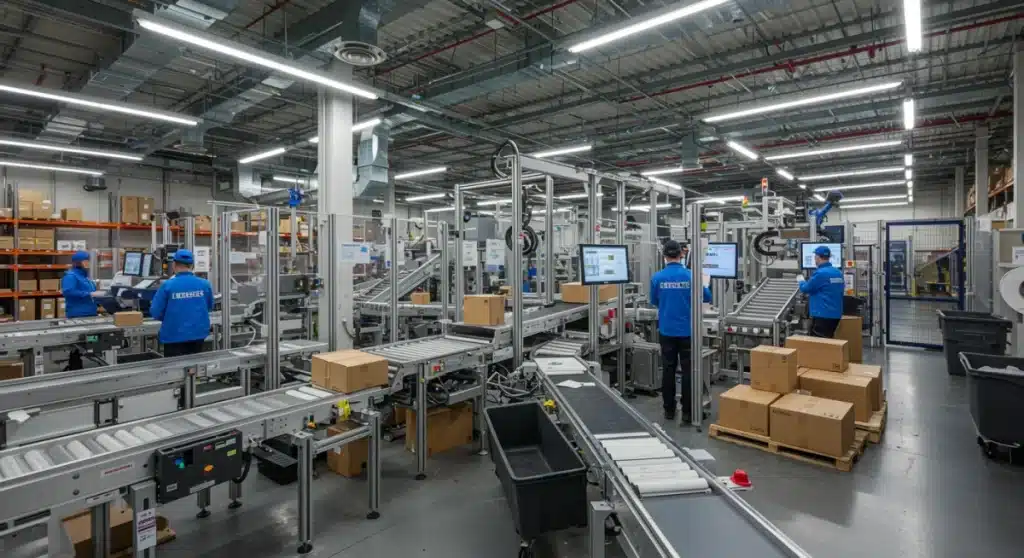
US retailers face significant challenges with product returns; optimizing returns management processes is crucial for cost reduction, aiming for a 12% decrease this year, while simultaneously improving customer satisfaction and operational efficiency.
The landscape of retail in the United States is constantly evolving, and one area demanding immediate attention for businesses aiming for sustained profitability is returns management. For US retailers, effectively addressing product returns is no longer just about processing them; it’s about strategically optimizing these processes to not only enhance customer satisfaction but also significantly reduce operational costs. The goal for many this year is an ambitious 12% cost reduction through refined returns strategies. This article delves into the critical components of achieving this target, exploring innovative approaches and best practices that can transform a logistical burden into a competitive advantage.
Understanding the Returns Landscape for US Retailers
Product returns are an inherent part of the retail business, but their impact on profitability can be substantial if not managed effectively. For US retailers, the volume and complexity of returns have surged, driven by factors such as the rise of e-commerce, liberal return policies, and evolving consumer expectations. This surge presents both a challenge and an opportunity to refine processes and recapture lost value.
The costs associated with returns extend far beyond just shipping and restocking. They encompass labor for inspection, repackaging, potential markdown losses for damaged goods, and administrative overhead. Understanding the full scope of these costs is the first step toward effective optimization. Many retailers are surprised to find that the true cost of a return can be significantly higher than the initial product margin, often eroding profits and impacting overall business health.
The E-commerce Returns Phenomenon
E-commerce has dramatically altered the returns landscape. Consumers are now accustomed to ordering multiple sizes or colors with the intention of returning what doesn’t fit or suit them. This ‘buy-to-try’ behavior, while beneficial for sales conversion, places immense pressure on reverse logistics. Retailers must adapt their returns management strategies to handle this increased volume efficiently, ensuring that the customer experience remains positive even during a return.
- Increased Return Volume: E-commerce typically sees higher return rates than brick-and-mortar.
- Logistical Complexity: Managing returns from diverse locations adds layers of logistical challenges.
- Customer Expectation: Consumers expect easy, free, and fast return processes.
By dissecting the various facets of returns, from their initiation to their final disposition, retailers can identify bottlenecks and areas ripe for improvement. This foundational understanding is critical for building a robust and cost-effective returns management system that can reduce costs by 12% for US retailers in the current year.
Leveraging Technology for Returns Efficiency
In today’s fast-paced retail environment, technology is not just an enabler but a necessity for optimizing returns management. Implementing advanced technological solutions can automate processes, provide crucial insights, and significantly reduce the manual effort and errors associated with handling returns. This strategic adoption of technology is paramount for US retailers aiming to achieve substantial cost savings and improve overall efficiency.
From initial return requests to final disposition, technology can streamline every step. This includes online return portals that guide customers through the process, automated sorting systems in warehouses, and sophisticated software that tracks return items in real-time. The goal is to minimize human intervention where possible, thereby accelerating processing times and reducing labor costs.
Automated Returns Processing Systems
Automated systems can revolutionize the speed and accuracy of returns processing. These systems can handle tasks like scanning returned items, verifying their condition, and routing them to the appropriate next step, whether that’s restocking, repair, or disposal. This not only speeds up the process but also reduces discrepancies and errors.
- Faster Sorting: Automated systems can quickly sort items by condition and destination.
- Reduced Labor Costs: Fewer manual checks mean lower staffing requirements.
- Improved Accuracy: Minimizes human error in item identification and condition assessment.
Furthermore, integrating these systems with inventory management and ERP platforms provides a holistic view of stock levels and return trends. This integration allows retailers to make more informed decisions about pricing, promotions, and product development, ultimately contributing to the target of reducing costs by 12% for US retailers.
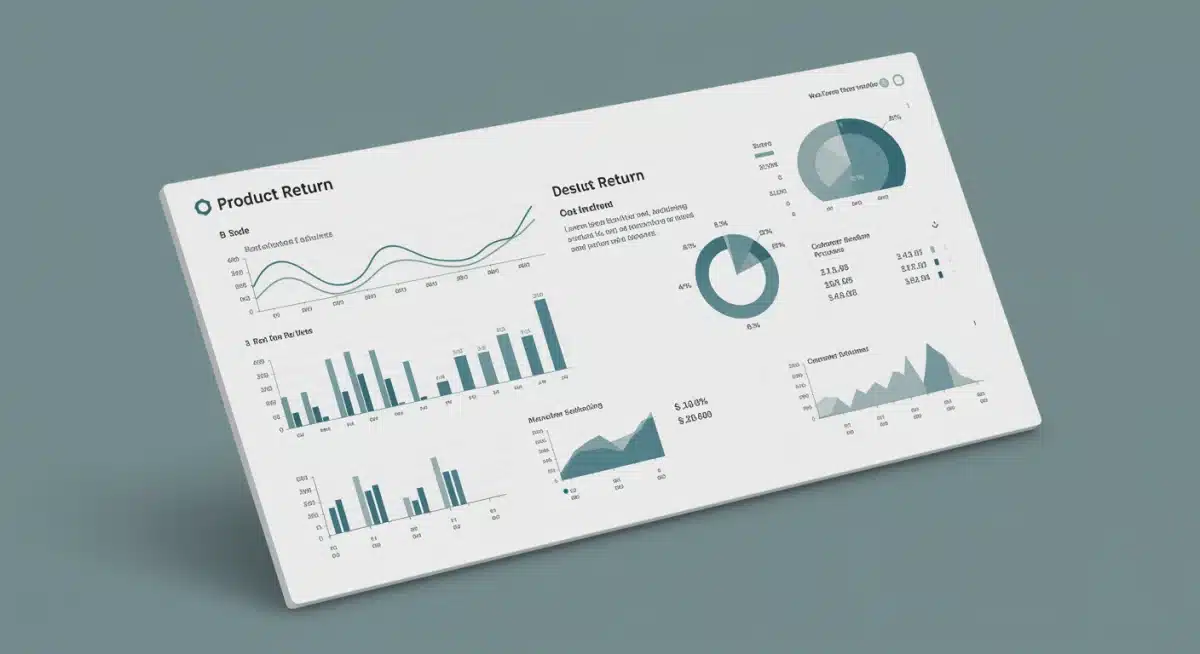
Data Analytics: Unlocking Insights from Returns Data
Data is the new gold in retail, and returns data is a treasure trove of insights waiting to be unearthed. By meticulously collecting, analyzing, and interpreting this data, US retailers can gain a deeper understanding of why products are returned, identify patterns, and implement proactive measures to reduce return rates and associated costs. This analytical approach is fundamental to achieving the 12% cost reduction target in returns management.
Beyond simply tracking return volumes, retailers should delve into the ‘why’ behind each return. Was it a sizing issue, product defect, inaccurate description, or simply buyer’s remorse? Categorizing return reasons provides actionable intelligence that can inform product development, marketing strategies, and even supplier negotiations. Understanding these root causes allows for targeted interventions rather than broad, less effective solutions.
Identifying Return Patterns and Root Causes
Sophisticated analytics tools can help identify recurring patterns in return data. This could involve pinpointing specific products with high return rates, identifying particular customer segments prone to returns, or recognizing seasonal trends. Once these patterns are identified, retailers can investigate the underlying causes.
- Product-Specific Insights: Pinpoint design flaws or quality control issues.
- Customer Behavior Analysis: Understand why certain demographics return more.
- Supplier Performance: Evaluate which suppliers contribute to higher return rates due to product quality.
By transforming raw returns data into actionable insights, retailers can move from a reactive approach to a proactive one. This allows them to address issues at their source, preventing future returns and significantly contributing to the overall cost reduction in returns management for US retailers.
Optimizing Return Policies and Customer Experience
A well-crafted return policy is a delicate balance between customer satisfaction and cost control. For US retailers, optimizing return policies involves making them clear, fair, and easy to understand, while also incorporating elements that deter unnecessary returns and encourage exchanges over refunds. The ultimate goal is to enhance the customer experience while simultaneously driving down the costs associated with returns.
Transparency is key. Customers are more likely to be satisfied with a return process if they clearly understand the terms and conditions from the outset. Hidden fees or complicated procedures can lead to frustration and negative reviews, undermining the brand’s reputation. A straightforward policy, clearly communicated at the point of sale and on the website, builds trust and reduces customer service inquiries.
Encouraging Exchanges Over Refunds
One effective strategy to mitigate the financial impact of returns is to incentivize exchanges rather than outright refunds. Offering easy exchange options, perhaps with free shipping for the exchanged item, can retain revenue and keep customers engaged with the brand. This requires a seamless process that makes exchanges as convenient as possible for the customer.
- Clear Policy Communication: Ensure customers understand terms before purchase.
- Incentivize Exchanges: Offer free shipping or discounts for exchanges.
- Streamlined Process: Make returns and exchanges as simple as possible.
By carefully calibrating return policies and focusing on a positive customer experience, US retailers can reduce the financial burden of returns while fostering customer loyalty. This strategic approach is crucial for achieving the targeted 12% reduction in returns management costs.
Streamlining Reverse Logistics and Supply Chain Integration
Reverse logistics, the process of moving goods from their typical final destination for the purpose of capturing value or proper disposal, is a critical component of effective returns management. For US retailers, streamlining these processes and integrating them seamlessly with the forward supply chain is essential for achieving cost efficiencies and reducing the environmental impact of returns. A well-optimized reverse logistics network can significantly contribute to the 12% cost reduction goal.
Traditional supply chains are designed for forward movement, making reverse logistics inherently more complex. Returned items often follow a different path, requiring specialized handling, inspection, and disposition. Without proper integration, these processes can become bottlenecks, leading to delays, increased costs, and decreased recovery value for returned products.
Optimizing Disposition and Value Recovery
Once an item is returned and inspected, the decision of its disposition is crucial for maximizing value. Options include restocking, repairing, refurbishing, reselling through secondary channels, or recycling/donating. Each option has different cost implications and potential revenue recovery. An optimized system ensures that the most profitable and sustainable disposition path is chosen for each item.
- Efficient Sorting and Inspection: Quickly assess product condition for optimal disposition.
- Multiple Disposition Channels: Utilize various avenues for value recovery (resale, repair, recycle).
- Supplier Collaboration: Work with suppliers for defect analysis and potential returns to vendor.
Integrating reverse logistics with the forward supply chain means that information flows freely between departments, allowing for better planning and resource allocation. This holistic approach ensures that returned products are managed efficiently, minimizing their financial drain and contributing to the overall cost reduction objectives for US retailers.
The Role of Sustainability in Returns Management
Beyond the immediate financial implications, returns management also carries a significant environmental footprint. For US retailers, embracing sustainable practices within their returns processes is not only ethically responsible but can also lead to long-term cost savings and enhanced brand reputation. As consumers become more environmentally conscious, sustainable returns management becomes a competitive differentiator, contributing to the broader goal of reducing costs by 12% by mitigating waste and optimizing resource use.
Every returned item represents a potential waste of resources, from the product itself to the packaging and transportation involved. By focusing on repair, refurbishment, and resale, retailers can extend product lifecycles and reduce the amount of waste sent to landfills. This circular economy approach not only benefits the planet but also offers opportunities for revenue recovery from items that might otherwise be discarded.
Reducing Waste and Carbon Footprint
Implementing strategies to reduce the environmental impact of returns involves several key areas. This includes optimizing transportation routes for returned items, using eco-friendly packaging for returns, and actively seeking partners for repair and recycling programs. Each effort contributes to a smaller carbon footprint and a more sustainable operation.
- Eco-friendly Packaging: Use reusable or recyclable materials for return shipments.
- Localized Returns Processing: Reduce transportation distances for returned goods.
- Donation and Recycling Programs: Partner with organizations to repurpose unsellable items.
By integrating sustainability into their returns management strategy, US retailers can demonstrate their commitment to environmental stewardship, appeal to a growing segment of eco-conscious consumers, and ultimately contribute to a more efficient and cost-effective operation. This forward-thinking approach aligns with the objective of significant cost reduction while building a more resilient and responsible retail business.
Future Trends and Continuous Improvement in Returns
The landscape of retail and returns management is constantly evolving, requiring US retailers to remain agile and forward-thinking. To sustain the 12% cost reduction in returns management achieved this year, businesses must continuously monitor emerging trends, adopt innovative solutions, and foster a culture of ongoing improvement. Staying ahead of the curve ensures long-term profitability and competitive advantage.
Emerging technologies like Artificial Intelligence (AI) and Machine Learning (ML) are set to play an even larger role in predicting return likelihood, personalizing return offers, and optimizing logistics. Predictive analytics, for instance, can help identify products or customer segments that are more prone to returns, allowing retailers to intervene proactively before a return even happens. This proactive stance is a game-changer for cost control.
Personalized Return Experiences and AI Integration
AI can analyze individual customer behavior and purchase history to offer personalized return options. For example, a customer who frequently returns items might be offered an instant store credit or a free exchange, while another might be guided towards repair services. This level of personalization can significantly enhance satisfaction and influence future purchasing decisions.
- AI-powered Predictive Analytics: Forecast return likelihood and optimize inventory.
- Augmented Reality for Sizing: Reduce fit-related returns for apparel and footwear.
- Blockchain for Transparency: Track product origins and authenticity, reducing fraudulent returns.
Continuous improvement is not a one-time project but an ongoing commitment. Retailers should regularly review their returns data, solicit customer feedback, and benchmark against industry best practices. By embracing innovation and maintaining a flexible approach, US retailers can ensure their returns management strategies remain effective, efficient, and aligned with the goal of sustained cost reduction and enhanced customer loyalty.
| Key Optimization Area | Brief Impact for Cost Reduction |
|---|---|
| Technology Integration | Automates processes, reduces labor costs, and improves accuracy in handling returns. |
| Data Analytics | Identifies root causes of returns, enabling proactive measures and policy adjustments. |
| Policy Optimization | Balances customer satisfaction with cost control, encourages exchanges over refunds. |
| Sustainable Practices | Reduces waste, extends product lifecycles, and recovers value from returned items. |
Frequently Asked Questions About Returns Management
Returns management encompasses all processes involved when customers return products. This includes handling the return request, logistics of getting the item back, inspection, restocking, repair, or disposal. Effective management aims to minimize costs and maximize value recovery while ensuring a positive customer experience.
Achieving a 12% cost reduction involves a multi-faceted approach: leveraging technology for automation, using data analytics to understand return reasons, optimizing return policies to encourage exchanges, streamlining reverse logistics, and implementing sustainable practices to recover value from returned goods.
Technology automates key aspects of the returns process, from online return portals to automated sorting in warehouses. It provides real-time tracking, reduces manual errors, and offers data insights, significantly improving efficiency and reducing labor costs associated with handling returns.
Data analytics helps identify the root causes of returns, such as product defects, sizing issues, or inaccurate descriptions. By understanding these patterns, retailers can make informed decisions to improve product quality, refine descriptions, and adjust policies, thereby preventing future returns and saving costs.
Sustainable practices reduce waste by prioritizing repair, refurbishment, or resale of returned items, extending their lifecycle. This not only minimizes environmental impact but also allows for value recovery, transforming potential losses into revenue and enhancing the brand’s reputation among eco-conscious consumers.
Conclusion
For US retailers, mastering returns management is no longer a peripheral concern but a central pillar of profitability and customer satisfaction. The ambitious target of a 12% cost reduction in the current year is entirely achievable through a combination of strategic technological adoption, insightful data analytics, customer-centric policy optimization, streamlined reverse logistics, and a commitment to sustainability. By embracing these integrated approaches, retailers can transform the challenge of returns into a significant competitive advantage, ensuring financial health and fostering stronger, more loyal customer relationships in an ever-evolving market. The investment in robust returns management systems is an investment in the future resilience and success of retail businesses across the nation.