Subscription Box Models: 2025 Market Shift & New Entrants
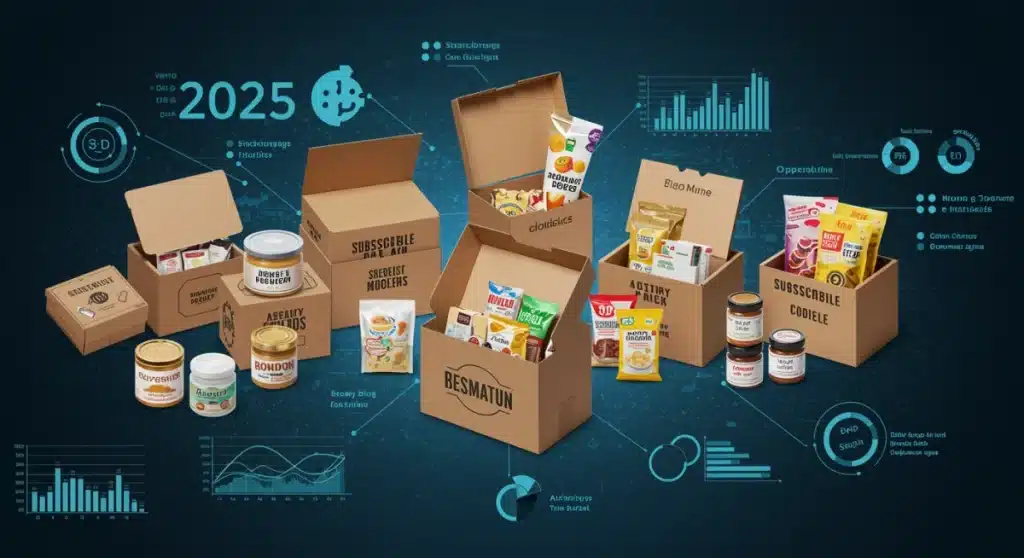
The subscription box models market is undergoing a significant transformation in 2025, driven by evolving consumer demands and technological advancements, leading to the emergence of innovative models and disruptive new entrants across the US.
The landscape of consumer commerce is in constant flux, and few sectors exemplify this dynamism better than the subscription box industry. As we move into 2025, the traditional paradigms of retail are being reshaped by innovative approaches to curated experiences and recurring deliveries. This article delves into the profound shifts impacting subscription box models, examining the forces at play and introducing you to ten groundbreaking entrants poised to redefine the US market.
The evolving landscape of subscription box models
The subscription box industry, once a niche offering, has blossomed into a multi-billion dollar market. Its evolution is characterized by a continuous adaptation to consumer preferences, technological advancements, and a heightened focus on personalization. In 2025, we are witnessing a maturation of these models, moving beyond simple product delivery to encompass comprehensive lifestyle solutions and community engagement.
This shift is not merely incremental; it represents a fundamental re-evaluation of what a subscription service can offer. Consumers are no longer content with random assortments; they seek genuine value, convenience, and a sense of discovery that aligns with their personal values and interests. The market is responding by segmenting further, creating hyper-targeted experiences that resonate deeply with specific demographics.
Key drivers of market transformation
- Hyper-personalization: Advanced AI and machine learning algorithms are enabling unprecedented levels of customization, tailoring boxes to individual preferences, past purchases, and even predicted future needs.
- Sustainability and ethics: A growing consumer demand for eco-friendly products and ethical sourcing is pushing subscription brands to adopt more responsible practices, from packaging to product selection.
- Experience over product: Many new models prioritize the overall experience, offering exclusive content, virtual events, or community access alongside physical goods.
- Technological integration: Augmented reality (AR) for virtual try-ons, smart home integration for replenishment, and blockchain for supply chain transparency are becoming more prevalent.
These drivers collectively contribute to a more sophisticated and demanding market. Businesses that fail to innovate and understand these underlying currents risk obsolescence. The successful players of 2025 are those who can seamlessly blend product, experience, and values into a cohesive and compelling subscription offering.
The overarching trend points towards a future where subscription boxes are not just about receiving goods, but about subscribing to a lifestyle, a set of values, or a continuous journey of self-improvement and discovery. This paradigm shift requires a deep understanding of consumer psychology and a commitment to continuous innovation.
Emerging trends shaping the 2025 subscription economy
As we navigate 2025, several prominent trends are significantly influencing the trajectory of the subscription economy. These trends are not isolated phenomena but rather interconnected forces that collectively redefine consumer expectations and business strategies. Understanding them is crucial for any entity operating within or looking to enter this dynamic market.
One of the most impactful trends is the rise of ‘micro-subscriptions.’ Unlike traditional boxes that often contain a variety of items, micro-subscriptions focus on a single, high-value item or a very specific, curated experience. This caters to consumers who prefer minimalist consumption or have very particular needs, reducing waste and increasing perceived value.
The rise of niche and specialized offerings
The days of generic subscription boxes are rapidly fading. The market is increasingly rewarding highly specialized and niche offerings that cater to very specific interests or demographics. From artisanal coffee beans sourced from single-origin farms to boxes designed exclusively for rare coin collectors, specificity is key.
- Curated learning experiences: Subscriptions offering monthly kits for learning new skills, from coding to pottery, are gaining traction.
- Personalized health and wellness: Beyond supplements, these boxes include tailored meal plans, fitness gadgets, and mental well-being tools.
- Sustainable and ethical luxury: High-end products that boast impeccable ethical credentials and minimal environmental impact are appealing to conscious consumers.
Another significant trend is the integration of community features. Many subscription services are now offering exclusive forums, online events, or social media groups where subscribers can connect, share experiences, and provide feedback. This fosters a sense of belonging and loyalty, transforming customers into brand advocates. The value proposition extends beyond the physical product to include social interaction and shared identity.
The emphasis on data-driven personalization continues to intensify. Companies are leveraging sophisticated analytics to predict subscriber churn, optimize inventory, and even anticipate future product desires. This proactive approach allows for a more seamless and satisfying customer journey, minimizing friction and maximizing engagement. The ability to anticipate rather than react is a powerful differentiator in a competitive market.
Technological innovations driving new subscription experiences
Technology is not merely an enabler for subscription box models; it’s a fundamental driver of innovation, reshaping how these services are conceived, delivered, and experienced. In 2025, advanced technologies are moving beyond mere operational efficiency to create entirely new forms of engagement and personalization.
Artificial intelligence (AI) and machine learning (ML) are at the forefront of this technological revolution. These tools are no longer just for recommending products; they’re powering dynamic inventory management, predictive analytics for demand forecasting, and even generating personalized content that accompanies each box. This level of sophistication ensures that every subscription feels uniquely tailored.
AI-powered personalization and predictive analytics
- Dynamic curation: AI algorithms adapt box contents based on real-time feedback, seasonal trends, and even external data points like local weather or current events.
- Churn prediction: ML models identify subscribers at risk of canceling, allowing companies to intervene with targeted offers or support.
- Optimized logistics: AI streamlines shipping routes and warehouse operations, ensuring faster, more efficient, and often more sustainable delivery.
Beyond AI, other frontier technologies are also making their mark. Augmented Reality (AR) is being used to allow subscribers to virtually ‘try on’ products or visualize how items will fit into their homes before they even arrive. This reduces returns and enhances the excitement of anticipation. Blockchain technology is also emerging as a tool for supply chain transparency, allowing consumers to verify the origin and ethical sourcing of their products, building trust in an increasingly scrutinizing market.
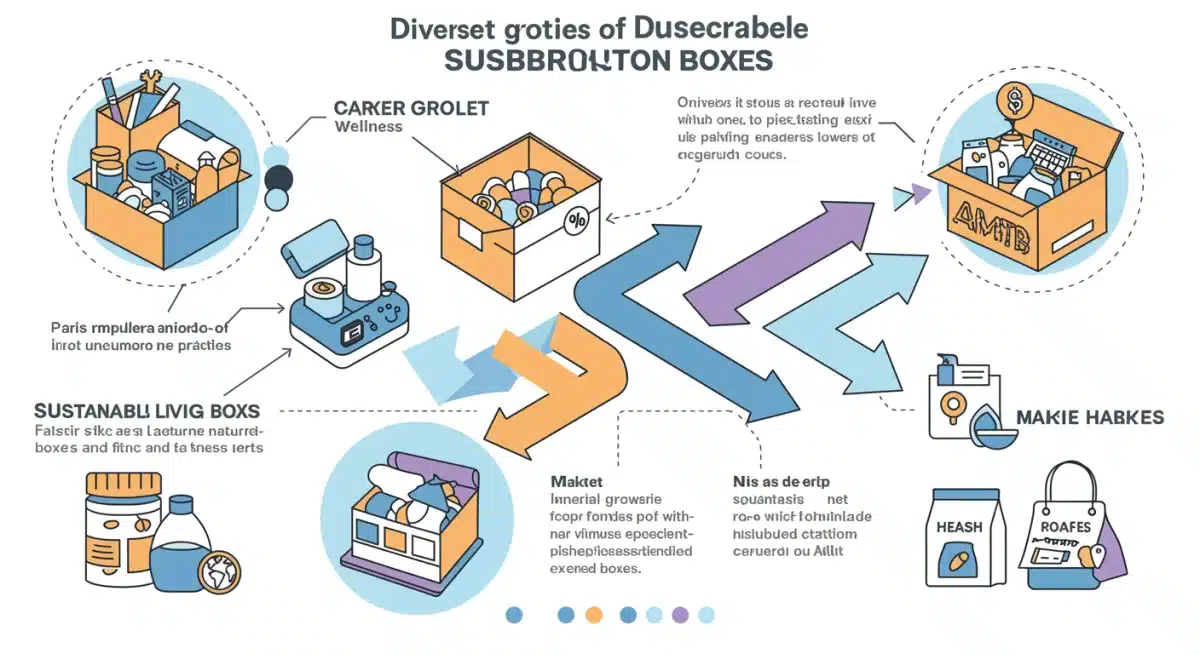
Furthermore, the integration of subscription services with smart home devices is becoming a reality. Imagine a coffee subscription that automatically reorders when your smart grinder detects low levels, or a pet food subscription that syncs with your pet’s smart feeder. These seamless integrations push the boundaries of convenience and embed subscription services deeper into daily life, making them indispensable.
The impact of these technological advancements is profound. They are enabling subscription businesses to offer a level of personalization and convenience that was previously unimaginable, setting new standards for customer experience and operational excellence. The competitive edge in 2025 will undoubtedly belong to those who master the art of leveraging these tools effectively.
The shift towards experience-driven subscription models
In 2025, the subscription box market is witnessing a significant pivot from purely product-centric offerings to models that prioritize the overall customer experience. This evolution reflects a broader consumer trend where value is increasingly placed on engagement, discovery, and emotional connection rather than just the acquisition of goods.
Subscribers are no longer just buying products; they are investing in a curated journey, a sense of belonging, or an opportunity for personal growth. This means companies must think beyond the box itself and consider the entire customer lifecycle, from unboxing to ongoing interaction and community participation.
Beyond the box: Curated journeys and community building
Many successful subscription models are now designed to deliver an overarching narrative or a continuous theme across multiple shipments. This creates anticipation and a deeper connection with the brand, transforming a transactional relationship into an experiential one. For example, a culinary box might focus on a different region each month, providing not just ingredients but also recipes, cultural insights, and virtual cooking classes.
- Interactive content: Digital components like apps, online tutorials, and exclusive video series enhance the physical products.
- Personalized recommendations: AI-driven suggestions for related products or experiences based on past box interactions.
- Exclusive member benefits: Early access to new products, discounts, or special events that reinforce a sense of VIP status.
The emphasis on community building is another cornerstone of experience-driven models. By creating platforms where subscribers can share their experiences, offer feedback, and interact with each other, brands foster a sense of collective identity. This not only increases loyalty but also provides invaluable insights for product development and service improvement. These communities often become self-sustaining ecosystems, adding immense value beyond the subscription fee.
The unboxing experience itself has been elevated to an art form. Brands are investing in premium packaging, thoughtful presentation, and even personalized notes to make the moment of opening the box a memorable event. This attention to detail reinforces the idea that the subscription is a treat, a moment of joy and discovery, rather than just another delivery. The psychological impact of a well-crafted unboxing is significant in solidifying subscriber satisfaction and encouraging social sharing.
10 new disruptive entrants in the US subscription market
The US subscription market in 2025 is a hotbed of innovation, with numerous new players emerging to challenge established norms and redefine consumer expectations. These disruptors are leveraging unique value propositions, advanced technology, and a deep understanding of niche markets to carve out significant footholds.
They represent a diverse range of categories, from sustainable living to personalized education, each bringing a fresh perspective to the recurring revenue model. Their success often lies in identifying unmet needs and crafting highly tailored solutions that resonate with specific consumer segments.
Spotlight on innovation: A closer look at the disruptors
- Eco-Thrive Boxes: Specializing in zero-waste home essentials, from refillable cleaning products to compostable kitchenware, appealing to environmentally conscious consumers.
- SkillSpark Kits: Monthly educational kits for adults, focusing on hands-on learning in areas like robotics, coding, or artisanal crafts, complete with virtual instructor access.
- Mindful Morsels: Curated boxes of adaptogenic snacks and superfoods, paired with guided meditation audio and wellness journals, targeting holistic health enthusiasts.
- Artisan Brew Collective: A subscription delivering rare, small-batch coffee and tea from independent roasters worldwide, accompanied by tasting notes and brewing guides.
- Pet Pal Provisions: Tailored nutritional meals and enrichment toys for pets, customized based on breed, age, and dietary restrictions, with veterinary consultation access.
- The Green Thumb Guild: Monthly deliveries of unique plant cuttings, seeds, and gardening tools, plus access to an online community of plant enthusiasts and expert horticulturists.
- Retro Rewind Gaming: A nostalgic box featuring classic video games, retro console accessories, and vintage gaming memorabilia, appealing to gaming history buffs.
- Literary Lumina: Curated selections of independent literature, graphic novels, and poetry, often including signed editions and exclusive author interviews.
- Wellness Wanderlust: Boxes designed to bring global wellness practices home, with items like essential oils, traditional teas, and exercise guides from different cultures.
- The Urban Farmer’s Delight: Kits for growing herbs, microgreens, and small vegetables in urban environments, complete with hydroponic systems and specialized lighting.
These entrants are not just selling products; they are selling solutions, experiences, and a sense of belonging. Their ability to connect with specific consumer pain points and aspirations, coupled with innovative delivery and engagement strategies, positions them as significant forces in the evolving subscription landscape. Their disruptive potential lies in their agility and willingness to challenge conventional retail wisdom.
Challenges and opportunities for subscription box businesses in 2025
While the subscription box market is booming with innovation, it is not without its challenges. Businesses operating in this space in 2025 must navigate a complex environment characterized by intense competition, evolving consumer expectations, and the need for sustainable growth. However, these challenges often present significant opportunities for those who are agile and forward-thinking.
One of the primary challenges is customer acquisition and retention. As the market becomes saturated, standing out from the crowd and attracting new subscribers requires increasingly sophisticated marketing strategies. More importantly, retaining subscribers demands consistent value delivery, exceptional customer service, and a continuous cycle of innovation to keep the offering fresh and engaging.
Navigating market saturation and consumer fickleness
- Personalization at scale: Moving beyond basic customization to hyper-targeted offerings that genuinely surprise and delight subscribers.
- Building brand loyalty: Fostering strong emotional connections through community engagement, exclusive content, and responsive customer support.
- Sustainable practices: Adopting eco-friendly packaging, ethical sourcing, and transparent supply chains to appeal to conscious consumers and reduce operational costs.
Another significant challenge is managing logistics and supply chains efficiently. The expectation for fast, reliable, and often free shipping puts pressure on margins. Businesses must invest in robust inventory management systems, optimize shipping partnerships, and explore localized fulfillment options to meet these demands without compromising profitability. The complexity of sourcing diverse products for curated boxes adds another layer to this challenge.
Despite these hurdles, the opportunities are abundant. The growing consumer appetite for convenience, discovery, and personalized experiences continues to fuel market expansion. Niche markets, previously underserved by traditional retail, offer fertile ground for specialized subscription services. Furthermore, the ability to collect rich customer data provides an unparalleled opportunity for continuous improvement and innovation, allowing businesses to anticipate needs and develop highly relevant offerings.
The key to success in 2025 lies in a strategic balance between innovation and operational excellence. Businesses that can effectively leverage technology to personalize experiences, build strong communities, and navigate logistical complexities will be well-positioned to thrive in this dynamic and rewarding market. The landscape demands adaptability and a relentless focus on delivering exceptional value.
Future outlook: What’s next for subscription box models?
Looking ahead beyond 2025, the future of subscription box models appears to be one of continuous evolution, driven by even deeper integration of technology, a heightened focus on sustainability, and an increasingly personalized approach to consumer engagement. The industry is poised for further diversification and specialization, moving towards a truly bespoke consumption experience.
One significant trajectory is the integration of subscription services into broader lifestyle platforms. Imagine a single subscription that manages your household’s entire consumption, from groceries and personal care to entertainment and education, all personalized and delivered seamlessly. This ‘ecosystem’ approach would simplify consumer choices and foster unparalleled customer loyalty.
Anticipating the next wave of innovation
- AI-driven self-optimization: Boxes that learn and adapt entirely from consumer behavior, without explicit input, continually refining their offerings.
- Circular economy models: Subscriptions focused on product rental, repair, and recycling, promoting sustainable consumption and minimizing waste.
- Hyper-local subscriptions: Services tailored to specific neighborhoods or communities, sourcing products from local businesses and artisans.
- Metaverse integration: Virtual components of subscription boxes, offering digital collectibles, exclusive experiences, or avatar customization within virtual worlds.
The emphasis on sustainability will only intensify. Consumers will increasingly demand transparency regarding the environmental and social impact of their subscriptions. This will push companies towards innovative solutions for packaging, sourcing, and even the end-of-life management of products. Brands that can demonstrate a genuine commitment to a circular economy will gain a significant competitive advantage.
Furthermore, the line between physical and digital will continue to blur. Subscription boxes may increasingly include digital keys to unlock virtual experiences, exclusive online content, or access to augmented reality features that enhance the physical products. This hybrid model offers a richer, more immersive experience that caters to the digitally native consumer.
Ultimately, the future of subscription box models is one where personalization, convenience, and ethical considerations converge. The most successful businesses will be those that can anticipate these shifts, embrace emerging technologies, and consistently deliver not just products, but truly meaningful and sustainable experiences that resonate with the evolving values of their customer base.
| Key Aspect | Brief Description |
|---|---|
| Market Shift 2025 | Transition from product-focused to experience-driven models with hyper-personalization. |
| Technological Drivers | AI, ML, AR, and blockchain enhance personalization, logistics, and transparency. |
| Disruptive Entrants | New niche players offering specialized, value-driven experiences across diverse categories. |
| Future Outlook | Further integration into lifestyle platforms, circular economy focus, and blurred physical-digital lines. |
Frequently asked questions about subscription box models
The 2025 shift is characterized by a move from simple product delivery to comprehensive, experience-driven models. This includes hyper-personalization powered by AI, a stronger emphasis on sustainability and ethical sourcing, and the integration of community-building features, all tailored to specific consumer lifestyles and values.
Technology, particularly AI and machine learning, is revolutionizing personalization by enabling dynamic curation of box contents based on real-time feedback, predictive analytics, and even external data. This ensures each subscription feels uniquely tailored, optimizing logistics and enhancing the overall customer journey for greater satisfaction.
‘Micro-subscriptions’ focus on delivering a single, high-value item or a very specific, curated experience rather than a large assortment. They are gaining popularity because they cater to minimalist consumption preferences, reduce waste, and provide high perceived value to consumers with very particular interests or needs, offering a more focused approach.
New entrants disrupt the US market by identifying and serving highly niche segments with specialized, value-driven offerings. They leverage innovative technology, unique curation, and strong community building to create compelling experiences that challenge established brands, often focusing on sustainability, education, or unique hobbies, thereby redefining market expectations.
Sustainability is becoming a critical differentiator. Future models will increasingly adopt circular economy principles, focusing on product rental, repair, and recycling. Consumers demand transparency in sourcing and packaging, pushing brands towards eco-friendly practices. This commitment to environmental and social responsibility will be key for competitive advantage and long-term success.
Conclusion
The evolution of subscription box models by 2025 marks a pivotal moment in consumer commerce. This shift, driven by technological advancements like AI and a profound emphasis on personalized, experience-driven services, has not only transformed existing paradigms but also paved the way for a new generation of disruptive entrants. These innovative players, focusing on hyper-niche markets and sustainable practices, are redefining value and engagement. As we look ahead, the industry will continue to integrate seamlessly into daily life, offering increasingly sophisticated, ethical, and tailored experiences that meet the dynamic demands of the modern consumer.