Product Safety Standards for Online Sellers in 2025

Online sellers must proactively understand and comply with federal product safety standards in 2025 to mitigate risks of recalls, substantial penalties, and reputational damage, ensuring sustainable business operations.
Navigating the complex landscape of federal product safety standards for online sellers: avoiding recalls and penalties in 2025 is not merely a legal obligation, but a cornerstone of sustainable e-commerce. As digital marketplaces continue to expand, the onus on sellers to ensure the safety and compliance of their products intensifies, making proactive adherence to regulations more critical than ever.
The evolving landscape of federal product safety
The digital age has transformed commerce, bringing both unprecedented opportunities and heightened responsibilities for online sellers. In 2025, federal product safety standards are more stringent and far-reaching than ever before, reflecting a growing emphasis on consumer protection in the e-commerce ecosystem. Understanding these evolving regulations is the first step towards safeguarding your business and your customers.
Regulatory bodies, primarily the Consumer Product Safety Commission (CPSC), are constantly adapting their oversight to address new product categories, manufacturing methods, and distribution channels prevalent in online sales. This continuous evolution means that what was compliant last year might not be today, necessitating ongoing vigilance and education for all online merchants.
Key regulatory bodies and their roles
Several federal agencies play a pivotal role in enforcing product safety. Their jurisdictions often overlap, requiring sellers to be aware of multiple sets of guidelines.
- Consumer Product Safety Commission (CPSC): Focuses on products that pose a risk of injury, illness, or death, covering a vast array of consumer goods from toys to household appliances.
- Food and Drug Administration (FDA): Regulates food, drugs, medical devices, cosmetics, and tobacco products, with specific safety and labeling requirements.
- Federal Trade Commission (FTC): Addresses unfair or deceptive practices, including misleading claims about product safety or efficacy.
Each agency has its own set of rules, reporting mechanisms, and enforcement powers. A comprehensive understanding of which agency governs your specific product type is crucial for maintaining compliance and avoiding costly legal issues.
In conclusion, the regulatory environment for online product safety is dynamic and complex. Online sellers must stay informed about the latest updates from federal agencies and recognize the broad scope of their responsibilities to ensure their products meet all necessary safety criteria.
Understanding product liability and recalls
Product liability is a critical area for any online seller, representing the legal responsibility manufacturers and sellers bear for defective products that cause injury or damage. The consequences of product defects can range from individual consumer complaints to widespread recalls, leading to significant financial losses and irreparable harm to brand reputation. In 2025, the increased scrutiny on online marketplaces means that understanding and mitigating these risks is more important than ever.
A product recall is a request to return a product after the discovery of safety issues or defects that might endanger the consumer or put the maker/seller at risk of legal action. Recalls can be voluntary, initiated by the company, or mandatory, ordered by a regulatory agency like the CPSC. Both scenarios require immediate and efficient action to minimize damage.
Common causes of product recalls
Recalls rarely happen without underlying issues. Identifying and addressing these causes proactively can prevent future problems.
- Design defects: Flaws in the product’s design make it inherently unsafe, even if manufactured perfectly.
- Manufacturing defects: Errors during the production process lead to a specific batch of products being unsafe, despite a sound design.
- Marketing defects: Inadequate warnings, insufficient instructions, or misleading labeling that makes a product dangerous when used as intended.
Beyond these primary categories, issues such as non-compliance with new safety standards, use of prohibited materials, or software glitches in smart products can also trigger recalls. Continuous quality control and diligent adherence to manufacturing specifications are paramount.
The financial and reputational impact of a product recall can be devastating. Beyond the direct costs of returning, repairing, or replacing products, companies face legal fees, potential lawsuits, and a significant loss of consumer trust. Proactive measures, including rigorous product testing and adherence to all federal guidelines, are the best defense against these severe consequences.
Ultimately, a thorough understanding of product liability and the potential for recalls is essential for any online seller. Implementing robust quality control processes and maintaining open communication with suppliers can significantly reduce the likelihood of facing such challenging situations.
Essential compliance requirements for online sellers
For online sellers, navigating the maze of federal compliance requirements can seem daunting. However, adherence to these regulations is not optional; it’s fundamental to operating legally and responsibly in the digital marketplace. In 2025, these requirements encompass a broad spectrum, from product testing to record-keeping, all designed to ensure consumer safety and product integrity.
The core of compliance lies in understanding which specific regulations apply to your products and implementing systems to meet those standards. This often involves collaborating with manufacturers, suppliers, and third-party testing facilities to verify product safety before it ever reaches a customer’s hands.
Key areas of compliance
Several critical areas demand attention from online sellers to ensure full compliance with federal standards.
- Product testing and certification: Many products, especially those for children, require mandatory third-party testing by CPSC-accepted laboratories to ensure they meet specific safety standards. Sellers must obtain a Children’s Product Certificate (CPC) if applicable.
- Labeling and warnings: Products must carry appropriate labels, warnings, and instructions in clear, understandable language. This includes hazard warnings, age recommendations, and country of origin.
- Record-keeping: Maintaining meticulous records of product testing, manufacturing processes, supplier information, and consumer complaints is crucial for demonstrating due diligence during audits or investigations.
Beyond these, sellers must also be aware of chemical restrictions, such as those imposed by the Toxic Substances Control Act (TSCA), and specific requirements for electronic products, which may fall under FCC regulations. Staying current with these varied regulations is an ongoing commitment.
Ensuring essential compliance is a continuous process that requires dedication and attention to detail. By systematically addressing product testing, labeling, and record-keeping, online sellers can build a robust compliance framework that protects both their business and their customers from potential harm and legal repercussions.
Strategies for avoiding penalties and legal action
The repercussions of non-compliance with federal product safety standards can be severe, ranging from hefty fines and mandated recalls to criminal charges in extreme cases. For online sellers, proactively implementing strategies to avoid these penalties is not just good business practice, but a necessity for long-term survival in the competitive e-commerce landscape. In 2025, regulatory bodies are equipped with more sophisticated tools to identify and penalize non-compliant businesses, making vigilance paramount.
Avoiding penalties starts with a robust internal compliance program. This program should be dynamic, regularly updated, and integrated into every stage of the product lifecycle, from sourcing to post-sale customer support. It’s about building a culture of safety within your organization.
Proactive compliance measures
Several strategic measures can significantly reduce the risk of penalties and legal action.
- Due diligence on suppliers: Thoroughly vet all manufacturers and suppliers to ensure they meet federal safety standards and have a track record of compliance. Request and verify all necessary certifications and test reports.
- Regular product audits: Conduct periodic internal or third-party audits of your products to verify ongoing compliance. This helps catch potential issues before they escalate.
- Stay informed and educated: Continuously monitor regulatory updates from agencies like the CPSC. Subscribe to newsletters, attend webinars, and consult with legal experts specializing in product safety.
Implementing a clear and accessible system for handling consumer complaints and product defect reports is also vital. Promptly addressing these concerns can prevent minor issues from escalating into major regulatory investigations or lawsuits. Transparency and quick action demonstrate a commitment to safety.
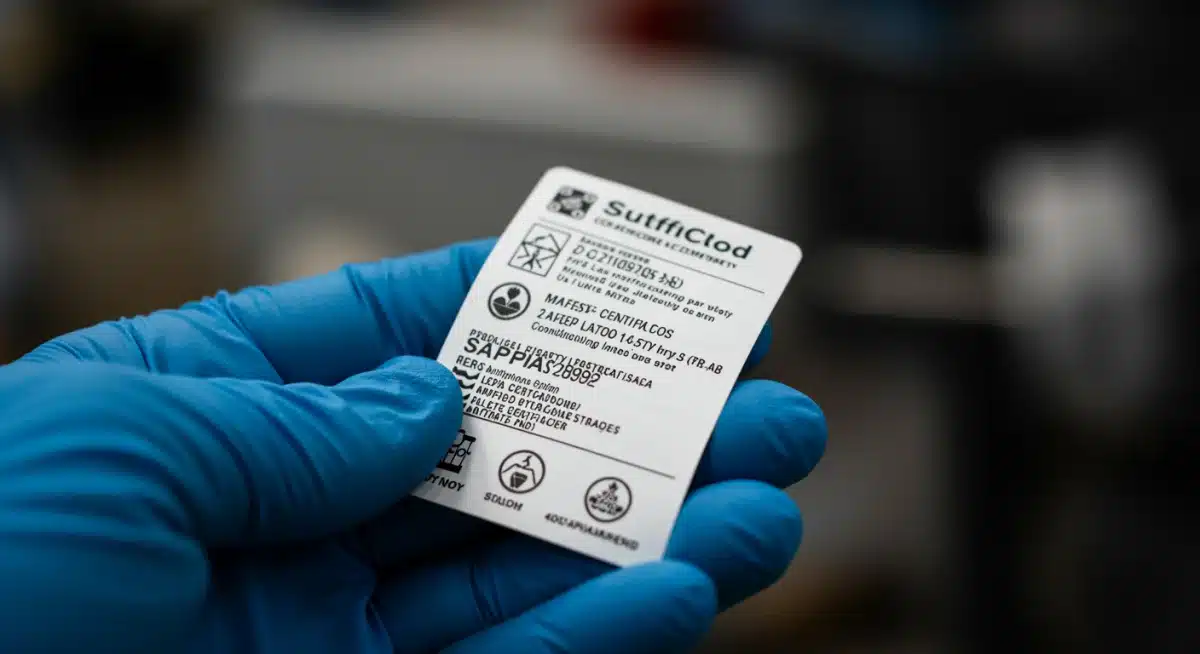
By adopting these proactive strategies, online sellers can significantly reduce their exposure to penalties and legal action. A commitment to continuous improvement in product safety not only ensures compliance but also builds consumer trust, a priceless asset in the digital marketplace.
The role of technology in product safety compliance
In 2025, technology plays an increasingly pivotal role in helping online sellers manage and maintain product safety compliance. From advanced data analytics to sophisticated supply chain management systems, technological innovations offer powerful tools to streamline processes, enhance oversight, and proactively identify potential risks. Embracing these technologies is no longer an option but a critical component of a comprehensive compliance strategy.
Digital platforms and software solutions can automate many aspects of compliance, reducing the administrative burden and minimizing the potential for human error. This allows sellers to focus more on strategic decision-making and less on manual data entry and tracking.
Technological solutions for enhanced safety
Leveraging technology can transform how online sellers approach product safety compliance.
- Supply chain transparency platforms: Tools that provide end-to-end visibility into the supply chain allow sellers to track materials, components, and manufacturing processes, ensuring compliance at every stage.
- AI-powered risk assessment: Artificial intelligence can analyze vast amounts of data, including recall histories, consumer complaints, and regulatory changes, to predict potential safety issues before they arise.
- Digital documentation and tracking: Cloud-based systems for managing compliance documents, test reports, and certifications ensure easy access, version control, and audit readiness.
Furthermore, blockchain technology is emerging as a powerful tool for immutable record-keeping and enhancing traceability, offering an unprecedented level of transparency that can significantly bolster product safety claims. Integrating these technologies can create a more resilient and efficient compliance framework.
The strategic adoption of technology is revolutionizing product safety compliance for online sellers. By automating processes, improving data analysis, and enhancing supply chain visibility, technology empowers businesses to meet federal standards more effectively, reduce risks, and build greater trust with their customers.
Preparing for 2025: future trends and best practices
As we look towards 2025, the landscape of federal product safety standards for online sellers continues to evolve, driven by technological advancements, changing consumer expectations, and global market dynamics. Preparing for these future trends and adopting best practices will be essential for online businesses to thrive and maintain compliance. Proactive adaptation, rather than reactive responses, will define success in the coming years.
Anticipating regulatory shifts and investing in future-proof compliance solutions will give online sellers a competitive edge. This involves not only understanding current laws but also forecasting where regulations are headed and how consumer safety concerns might shape future policies.
Key future trends and best practices
Several areas are expected to see significant developments and demand attention from online sellers.
- Increased focus on sustainability and ethical sourcing: Beyond safety, consumers and regulators are increasingly scrutinizing the environmental and social impact of products. Sellers will need to demonstrate compliance with sustainability standards.
- Enhanced data privacy and cybersecurity: For smart products, ensuring data privacy and robust cybersecurity measures will become an integral part of product safety, as vulnerabilities can pose significant risks.
- Harmonization of international standards: As e-commerce becomes increasingly global, there will be a push towards greater harmonization of international product safety standards, requiring sellers to navigate a more unified, yet still complex, regulatory environment.
Best practices will include continuous employee training on product safety, establishing clear internal communication channels for reporting potential issues, and fostering strong relationships with regulatory agencies. Engaging with industry associations can also provide valuable insights into upcoming changes and best-in-class compliance strategies.
By actively preparing for these future trends and consistently implementing best practices, online sellers can ensure they remain compliant and competitive in 2025 and beyond. A forward-thinking approach to product safety is not just about avoiding penalties; it’s about building a resilient and reputable business for the long term.
| Key Point | Brief Description |
|---|---|
| Evolving Regulations | Federal product safety standards are continuously updated, requiring online sellers to stay informed and adapt to new rules from agencies like the CPSC. |
| Product Liability | Sellers are legally responsible for product defects; understanding recall causes and impacts is crucial for risk mitigation. |
| Compliance Requirements | Mandatory product testing, accurate labeling, and diligent record-keeping are essential for meeting federal safety standards. |
| Tech Integration | Leveraging technology, like AI and blockchain, enhances supply chain transparency and automates compliance processes for online sellers. |
Frequently asked questions about product safety
The CPSC (Consumer Product Safety Commission) is the main federal agency ensuring consumer product safety. For online sellers, its role involves setting safety standards, issuing recalls for hazardous products, and enforcing compliance through investigations and penalties. Sellers must adhere to CPSC guidelines to prevent unsafe products from reaching consumers.
Online sellers can ensure compliance by conducting thorough due diligence on suppliers, requiring product testing and certification from accredited labs, maintaining detailed records, and staying informed about regulatory updates. Implementing robust internal quality control processes and clear labeling are also crucial steps.
Non-compliance can lead to severe consequences, including substantial monetary penalties, mandatory product recalls, legal liabilities, costly lawsuits, and significant damage to brand reputation. In serious cases, criminal charges might be filed. These repercussions can severely impact an online business’s financial stability and market standing.
While not all products require mandatory third-party testing, many, especially children’s products, do. The CPSC mandates specific safety tests for certain categories. Even when not legally required, third-party testing is a best practice to ensure product safety, build consumer trust, and mitigate liability risks for online sellers.
Technology assists by providing tools for supply chain transparency, AI-powered risk assessment, and digital documentation management. These solutions automate compliance processes, enhance traceability, and help proactively identify potential safety issues. This leads to more efficient and resilient compliance frameworks for online sellers.
Conclusion
The landscape of federal product safety standards for online sellers in 2025 demands unwavering attention and proactive engagement. From understanding the nuances of regulatory bodies like the CPSC to implementing robust compliance strategies and leveraging technological advancements, the path to avoiding recalls and penalties is paved with diligence and foresight. By prioritizing product safety, online sellers not only safeguard their businesses from legal and financial repercussions but also cultivate invaluable consumer trust, which is the ultimate currency in the digital marketplace. Embracing these principles ensures a secure and prosperous future for e-commerce operations.