2025 Packaging Regulations: Cost Savings for US Businesses
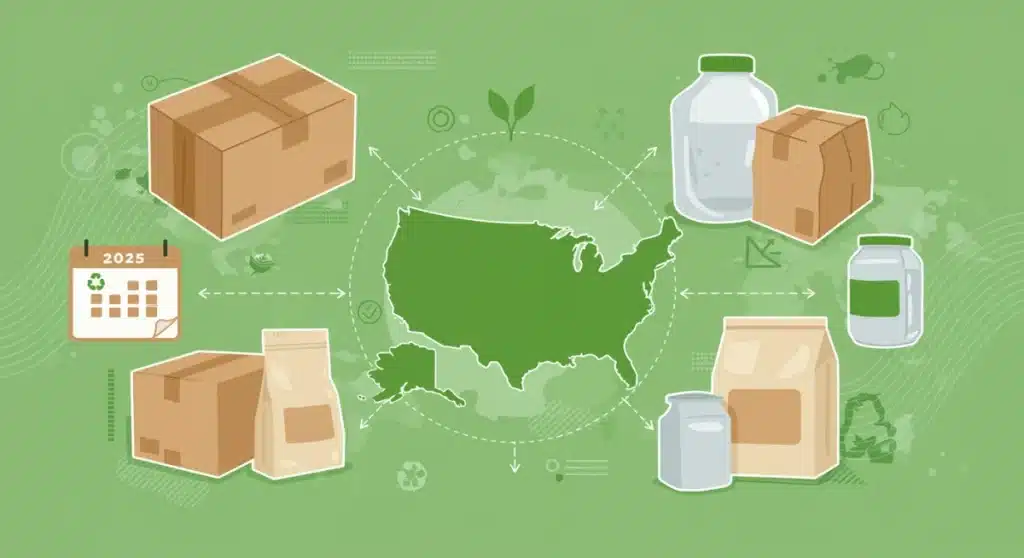
The new federal environmental packaging regulations for 2025 in the United States offer businesses a unique chance to achieve significant cost savings by strategically adopting sustainable practices and optimizing their packaging strategies.
As 2025 approaches, businesses across the United States are facing a pivotal moment with the introduction of new federal environmental regulations for packaging. This isn’t just about compliance; it’s a profound opportunity for companies to rethink their strategies, reduce waste, and ultimately achieve substantial cost savings. By proactively engaging with these changes, businesses can transform regulatory challenges into economic advantages.
The Landscape of New Federal Packaging Regulations
The upcoming federal environmental regulations for packaging in 2025 mark a significant shift in how products are brought to market. These regulations are designed to curb environmental impact, reduce waste, and promote a circular economy. Understanding the nuances of these new rules is the first step for any business aiming to maintain compliance and leverage potential benefits.
These regulations are not a monolithic directive but rather a comprehensive framework that addresses various aspects of packaging, from material sourcing to end-of-life disposal. They aim to standardize environmental performance across industries, ensuring that businesses contribute to broader sustainability goals. Ignoring these changes is not an option, as non-compliance can lead to hefty fines and reputational damage.
Key Pillars of the 2025 Regulations
The new regulations are built upon several guiding principles intended to foster a more sustainable packaging ecosystem. These pillars provide a clear direction for businesses to follow.
- Material Reduction: Emphasizes minimizing the overall volume of packaging used.
- Recycled Content Mandates: Requires a certain percentage of packaging to be made from post-consumer recycled materials.
- Recyclability and Compostability: Focuses on ensuring packaging materials can be easily recycled or composted at scale.
- Truthful Labeling: Demands clear and accurate labeling regarding packaging sustainability claims.
In essence, the 2025 federal packaging regulations are pushing businesses towards a more responsible approach to packaging. This involves a thorough review of current practices and an investment in more sustainable alternatives. Companies that embrace these changes early can gain a competitive edge by demonstrating their commitment to environmental stewardship.
Identifying Cost-Saving Opportunities Through Compliance
While new regulations often bring concerns about increased costs, the 2025 packaging rules present a unique paradox: compliance can actually lead to significant cost savings. Businesses that strategically adapt their packaging processes will find avenues to reduce expenses across their operations.
One primary area for savings comes from material reduction. By optimizing packaging designs to use less material, companies can lower procurement costs. This isn’t just about using thinner plastics or smaller boxes; it involves innovative design that maintains product integrity while minimizing material footprint. Fewer materials also translate to reduced shipping weights, leading to lower transportation costs.
Streamlining Operations and Supply Chains
The push for sustainable packaging often requires a re-evaluation of the entire supply chain, which can uncover inefficiencies and lead to significant operational improvements. When businesses analyze their packaging needs through a sustainability lens, they often discover opportunities for consolidation and simplification.
- Reduced Waste Disposal Fees: Less packaging waste means lower costs associated with landfill disposal.
- Optimized Logistics: Compact and standardized packaging can lead to more efficient truck loading and reduced fuel consumption.
- Innovation in Materials: Investing in lighter, more durable, or multi-functional packaging can reduce damage rates and returns.
Furthermore, businesses that proactively seek out suppliers of recycled or compostable materials may find long-term cost benefits as these markets mature and become more competitive. Early adoption can also lock in favorable pricing and secure supply chains for the future. The investment in new machinery or processes for sustainable packaging can often be offset by these long-term operational savings.
Strategic Implementation: A Roadmap to Sustainable Packaging
Successfully navigating the 2025 federal environmental regulations for packaging requires a well-defined strategic implementation plan. This isn’t a one-time fix but an ongoing commitment to evaluating and improving packaging practices. A clear roadmap ensures that businesses not only comply but also maximize their cost-saving potential.
The initial step involves a thorough audit of current packaging materials and processes. This deep dive helps identify areas of non-compliance and opportunities for improvement. Understanding the lifecycle of each packaging component, from raw material extraction to disposal, is crucial for making informed decisions.

Following the audit, businesses should set clear, measurable goals for packaging sustainability. These goals might include specific targets for recycled content, material reduction, or increased recyclability. Collaborating with packaging designers and material suppliers is essential during this phase to explore innovative and compliant solutions.
Leveraging Technology and Partnerships
Technology plays a vital role in the transition to sustainable packaging. Advanced analytics can help optimize packaging designs, predict material performance, and track environmental impacts. Investing in new machinery that handles eco-friendly materials or automates sustainable packaging processes can significantly improve efficiency and reduce labor costs.
- Digital Tracking Systems: Monitor packaging usage, waste generation, and compliance metrics.
- Sustainable Material Databases: Access information on certified recycled, recyclable, or compostable materials.
- Collaborative Platforms: Engage with industry peers and experts to share best practices and challenges.
Additionally, forming strategic partnerships with recycling facilities, waste management companies, and sustainable material manufacturers can streamline the entire process. These collaborations can ensure that packaging is not only designed for sustainability but also effectively managed at its end-of-life, closing the loop on the circular economy. A well-executed implementation plan ensures a smooth transition and unlocks sustained financial benefits.
The Role of E-commerce in Packaging Transformation
The rapid growth of e-commerce has significantly impacted packaging demands, creating both challenges and opportunities regarding the new 2025 federal environmental regulations for packaging. Online retail typically involves more individual packaging and protective materials, making it a critical area for sustainable innovation.
E-commerce businesses are uniquely positioned to benefit from packaging optimization. Reducing package size and weight directly translates to lower shipping costs, which are a major expense in online fulfillment. Furthermore, consumers are increasingly prioritizing brands that demonstrate environmental responsibility, making sustainable packaging a key differentiator in a competitive market.
Innovations in E-commerce Packaging
The e-commerce sector is a hotbed of innovation for sustainable packaging solutions. From right-sized packaging to reusable mailers, companies are exploring various ways to reduce their environmental footprint while maintaining product safety and customer satisfaction.
- Mailers and Envelopes: Shifting from boxes to flexible mailers for non-fragile items to reduce material and volume.
- Void Fill Alternatives: Replacing traditional plastic air pillows or foam peanuts with recycled paper, compostable starch-based options, or innovative structural designs.
- Subscription Box Optimization: Designing boxes that are not only aesthetically pleasing but also minimize material usage and maximize recyclability.
The drive for sustainable e-commerce packaging also encourages companies to consider the unboxing experience. Thoughtfully designed, eco-friendly packaging can enhance brand perception and create a positive impression, fostering customer loyalty. Investing in these solutions now can lead to long-term gains in brand value and reduced operational costs.
Navigating Consumer Expectations and Brand Reputation
Beyond regulatory compliance and cost savings, the 2025 federal environmental regulations for packaging also underscore the importance of meeting evolving consumer expectations and protecting brand reputation. Today’s consumers are more environmentally conscious than ever before, and their purchasing decisions are increasingly influenced by a brand’s sustainability practices.
Companies that proactively embrace sustainable packaging can significantly enhance their brand image and attract a growing segment of eco-minded consumers. Conversely, those that lag behind risk alienating customers and facing public scrutiny, which can have long-lasting negative impacts on their market standing.
Communicating Sustainability Efforts
Transparent communication about sustainability efforts is key. Businesses should clearly articulate their commitment to eco-friendly packaging, highlighting the materials they use, their efforts to reduce waste, and their contributions to a circular economy. This can be done through clear labeling, website content, social media campaigns, and annual sustainability reports.
- Eco-Friendly Certifications: Displaying recognized certifications (e.g., FSC for paper, USDA Certified Biobased) to build trust.
- Recycling Instructions: Providing clear and easy-to-understand instructions on how to properly dispose of packaging.
- Impact Reporting: Sharing data on reduced carbon footprint or waste diversion due to sustainable packaging initiatives.
A strong brand reputation built on genuine sustainability efforts can also attract talent, as many job seekers now prioritize working for environmentally responsible companies. This holistic approach ensures that businesses not only comply with regulations but also thrive in a market that increasingly values environmental stewardship. Failing to meet these expectations can lead to a decline in market share and increased marketing spend to counteract negative perceptions.
Future-Proofing Your Business Against Evolving Regulations
The 2025 federal environmental regulations for packaging are not an endpoint but rather a significant milestone in an ongoing journey towards greater sustainability. Businesses that adopt a forward-thinking approach will be better positioned to adapt to future regulatory changes and maintain a competitive edge.
Future-proofing involves more than just meeting current requirements; it means anticipating upcoming trends and investing in flexible, adaptable solutions. This proactive stance can reduce the need for costly last-minute overhauls when new regulations inevitably emerge. It’s about building resilience into your packaging strategy.
Embracing Innovation and Continuous Improvement
A commitment to continuous improvement in packaging sustainability is crucial for long-term success. This includes regularly reviewing new material innovations, assessing the efficiency of current packaging processes, and staying informed about emerging policy discussions.
- Research and Development: Investing in R&D for next-generation sustainable packaging materials and designs.
- Pilot Programs: Testing new packaging solutions on a small scale before full implementation.
- Advocacy and Engagement: Participating in industry groups and policy discussions to help shape future regulations.
By integrating sustainability into the core of their business strategy, companies can ensure they are not just reacting to regulations but actively driving positive change. This not only safeguards against future compliance risks but also positions them as leaders in environmental responsibility, contributing to a more sustainable future while simultaneously securing their economic viability. This proactive approach turns potential challenges into strategic advantages.
| Key Point | Brief Description |
|---|---|
| Regulatory Overview | New federal environmental packaging regulations in 2025 require material reduction, recycled content, and recyclability. |
| Cost Savings | Compliance can lead to reduced material costs, lower shipping expenses, and decreased waste disposal fees. |
| Strategic Implementation | Requires auditing current practices, setting goals, leveraging technology, and forming strategic partnerships. |
| Future-Proofing | Proactive adaptation, continuous improvement, and engagement with R&D ensure long-term resilience and leadership. |
Frequently Asked Questions About 2025 Packaging Regulations
The core requirements include mandates for material reduction, increased recycled content in packaging, enhanced recyclability or compostability standards, and stricter rules for truthful labeling of sustainability claims. These aim to minimize environmental impact across the packaging lifecycle.
Cost savings can be achieved through various means, such as reducing the amount of packaging material used, which lowers procurement and shipping costs. Additionally, optimizing supply chains for sustainable materials and reducing waste disposal fees contribute to overall financial benefits.
E-commerce is crucial due to its high volume of individual packaging. Innovations like right-sized packaging, lighter materials, and reusable mailers can significantly reduce shipping costs and environmental impact, while also meeting consumer demand for sustainable practices in online retail.
Brand reputation is highly important. Proactive adoption of sustainable packaging enhances brand image, attracts environmentally conscious consumers, and fosters loyalty. Conversely, non-compliance or perceived inaction can lead to negative public perception and market share loss.
Businesses should future-proof by continuously auditing practices, investing in R&D for new materials, engaging in pilot programs, and staying informed about policy changes. This proactive approach ensures adaptability to evolving regulations and positions companies as industry leaders in sustainability.
Conclusion
The advent of new federal environmental regulations for packaging in 2025 presents a comprehensive challenge and an unparalleled opportunity for businesses across the United States. Far from being a mere compliance burden, these regulations are a catalyst for innovation, operational efficiency, and significant cost savings. By strategically embracing sustainable packaging practices, optimizing supply chains, and transparently communicating their efforts, companies can not only meet regulatory demands but also enhance their brand reputation and secure a competitive edge in an increasingly environmentally conscious market. Proactive engagement with these changes will define leaders in the coming years, transforming a regulatory imperative into a cornerstone of sustainable business growth and long-term economic viability.