Personalization at Scale: Boost US Retailer CLV by 20% by 2025
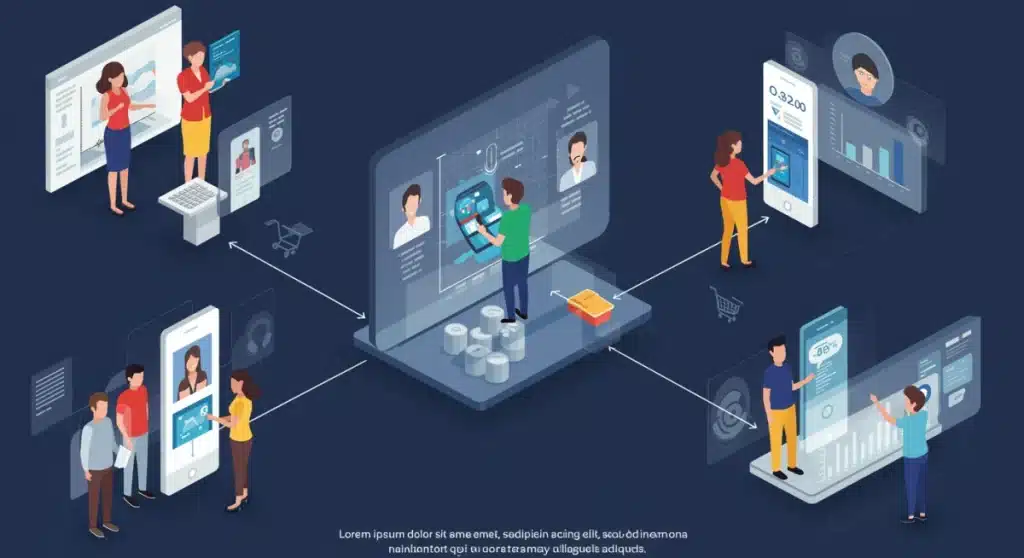
Top US retailers are strategically implementing advanced personalization at scale to drive a projected 20% increase in Customer Lifetime Value by 2025, transforming customer engagement and loyalty through data-driven insights.
The landscape of US retail is undergoing a profound transformation, driven by consumer expectations for unique and relevant experiences. At the forefront of this evolution is personalization at scale: how top US retailers achieve a 20% increase in customer lifetime value by 2025. This isn’t merely about addressing customers by name; it’s about leveraging sophisticated data analytics and AI to deliver bespoke shopping journeys that resonate deeply with individual preferences and behaviors, ultimately fostering unparalleled loyalty and significant financial growth.
Understanding Personalization at Scale in Modern Retail
Personalization at scale transcends traditional segmentation by delivering unique, individualized experiences to millions of customers simultaneously. This approach moves beyond simple demographic targeting, delving into individual behaviors, preferences, and historical interactions to create truly relevant engagements.
The essence of personalization at scale lies in its ability to replicate the intimate, one-on-one interactions of a small boutique on a massive, enterprise level. It’s about making every customer feel seen and understood, regardless of the channel they choose to interact with a brand. This level of tailored experience is becoming a non-negotiable for consumers in the highly competitive US retail market.
The Shift from Mass Marketing to Individualized Experiences
Historically, retailers relied on broad marketing campaigns, hoping to capture a wide audience with generic messages. However, modern consumers, empowered by digital access and an abundance of choices, demand more. They expect brands to anticipate their needs and offer solutions that are perfectly aligned with their lifestyles.
- Customer-centric approach: Focuses on individual needs rather than broad market segments.
- Data-driven insights: Utilizes vast amounts of customer data to inform personalization strategies.
- Real-time adaptation: Adjusts offerings and communications based on immediate customer behavior.
- Consistent experience: Ensures a unified personalized journey across all touchpoints.
This paradigm shift is not just a trend; it’s a fundamental change in how successful retailers operate. By embracing individualized experiences, brands can cultivate deeper relationships, enhance customer satisfaction, and ultimately drive sustainable growth in Customer Lifetime Value (CLV).
In conclusion, personalization at scale represents a strategic imperative for US retailers aiming to thrive in an increasingly competitive environment. It requires a fundamental shift in mindset, prioritizing individual customer journeys over mass marketing tactics, and leveraging advanced technologies to deliver on this promise consistently.
The Pivotal Role of Data Analytics and AI in Personalization
At the heart of effective personalization at scale are robust data analytics and artificial intelligence (AI). These technologies are not just tools; they are the engines that power the ability to understand, predict, and respond to individual customer needs with unprecedented precision.
Retailers are collecting vast amounts of data, from browsing history and purchase patterns to social media interactions and loyalty program engagement. The challenge lies not in data collection, but in transforming this raw data into actionable insights that can drive personalized experiences across all customer touchpoints.
Leveraging Big Data for Hyper-Personalization
Big data platforms allow retailers to process and analyze immense volumes of information, identifying subtle patterns and correlations that traditional methods would miss. This enables the creation of highly detailed customer profiles, which are essential for true hyper-personalization.
- Behavioral data analysis: Tracks clicks, views, searches, and purchase history to understand preferences.
- Demographic and psychographic profiling: Combines basic customer information with lifestyle and attitude data.
- Predictive analytics: Forecasts future purchasing behavior and product interests.
- Sentiment analysis: Gauges customer feelings and opinions from text and voice interactions.
By effectively harnessing big data, retailers can move beyond generic recommendations to offer products and content that genuinely resonate with each individual. This deep level of understanding fosters a sense of being valued and understood, which is critical for long-term customer loyalty.
AI, particularly machine learning algorithms, takes data analysis to the next level. These systems can learn from vast datasets, identify complex patterns, and make real-time decisions about what content, product, or offer is most relevant to a specific customer at any given moment. This automation of insight and action is what truly enables personalization at scale without overwhelming human teams.
The integration of data analytics and AI is thus non-negotiable for retailers serious about achieving a 20% increase in CLV by 2025. These technologies provide the foundational intelligence required to move from generic interactions to deeply personal and impactful customer engagements.
Key Strategies Employed by Leading US Retailers
Top US retailers aren’t just talking about personalization; they are actively implementing sophisticated strategies that leverage technology and data to redefine the customer experience. These strategies are multifaceted, touching every aspect of the retail journey from discovery to post-purchase support.
One primary strategy involves creating a unified customer view. This means consolidating data from all touchpoints – online, in-store, mobile, social – into a single, comprehensive profile. This holistic perspective is crucial for delivering consistent and relevant personalized experiences, preventing disjointed interactions that can frustrate customers.
Omnichannel Personalization and Seamless Experiences
Leading retailers understand that customers interact across multiple channels and expect a seamless transition between them. Personalization efforts must extend beyond the website to encompass mobile apps, in-store experiences, email campaigns, and customer service interactions.
- Personalized product recommendations: Dynamically adjusts product suggestions based on browsing and purchase history.
- Tailored email marketing: Sends relevant offers, content, and reminders based on individual preferences.
- In-store personalized assistance: Equips sales associates with customer data to offer informed help.
- Dynamic website content: Changes homepage layouts, promotions, and messaging for each visitor.
Another critical strategy is the use of real-time personalization engines. These systems analyze customer behavior as it happens and adjust the experience instantly. For example, if a customer browses a specific category, the website might immediately display related products or promotions, enhancing the relevance of their current session.
Furthermore, leading retailers are investing in training their staff to understand and utilize personalization tools. Empowering human elements with data-driven insights ensures that the personalized experience extends beyond digital interfaces into direct customer interactions, fostering trust and satisfaction.
By focusing on omnichannel integration, real-time responsiveness, and empowering their teams with data, top US retailers are setting new benchmarks for customer engagement and loyalty, directly contributing to their CLV growth objectives.
Measuring the Impact: How Personalization Elevates Customer Lifetime Value
The ultimate goal of personalization at scale is to increase Customer Lifetime Value (CLV). This metric represents the total revenue a business can reasonably expect from a single customer account throughout their relationship with the company. Personalization directly impacts several drivers of CLV, leading to significant financial gains.
By delivering highly relevant and satisfying experiences, personalization fosters stronger customer loyalty. When customers feel understood and valued, they are more likely to return for repeat purchases, increasing their purchase frequency and average order value over time. This reduces churn and creates a stable, recurring revenue stream.
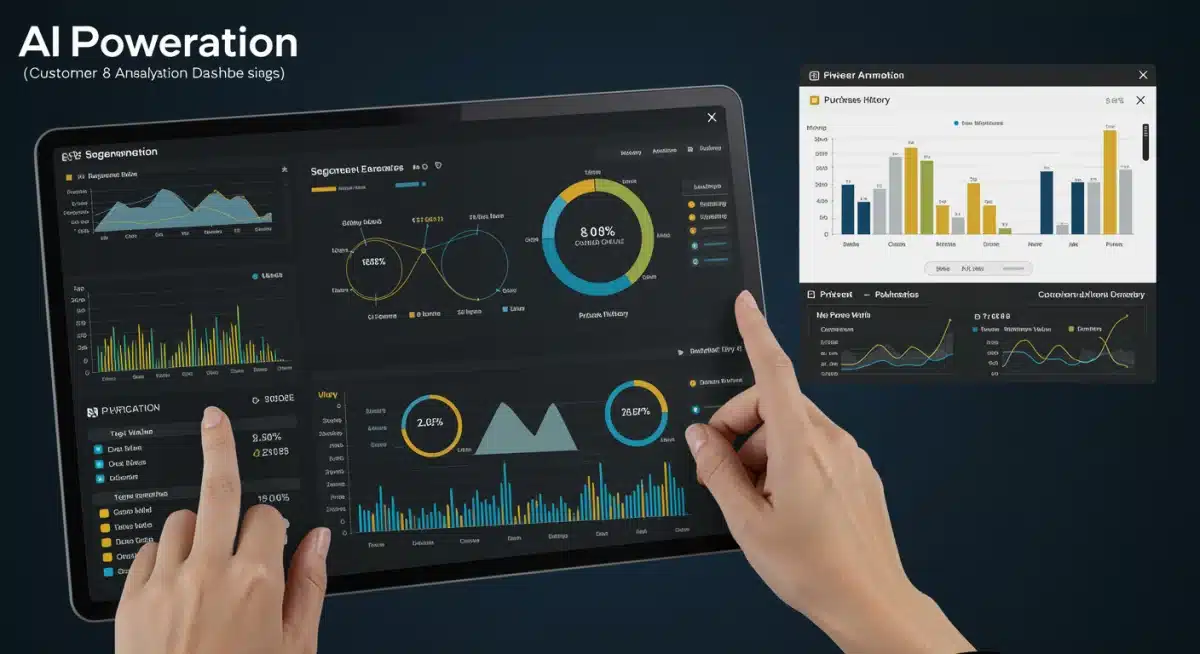
Key Metrics and ROI of Personalization
Retailers carefully track various metrics to quantify the impact of their personalization efforts on CLV. These metrics provide clear evidence of the return on investment (ROI) and guide further optimization.
- Increased purchase frequency: Customers buy more often due to relevant offers and experiences.
- Higher average order value (AOV): Personalized recommendations often lead to cross-sells and upsells.
- Reduced churn rate: Satisfied customers are less likely to switch to competitors.
- Improved customer satisfaction scores (CSAT/NPS): Reflects a better overall customer experience.
- Enhanced brand advocacy: Happy customers become promoters, driving new customer acquisition.
Studies consistently show that companies excelling in personalization experience significantly higher revenue growth than their competitors. The 20% increase in CLV by 2025 is an ambitious yet achievable target for retailers who fully commit to these strategies, translating directly into enhanced profitability and market share.
The financial benefits extend beyond direct sales. Personalization also optimizes marketing spend by ensuring that promotional efforts are directed at the most receptive audiences with the most relevant messages, reducing wasted ad impressions and improving campaign effectiveness.
In essence, personalization is not just a customer-facing initiative; it is a powerful business growth engine. By meticulously measuring its impact on CLV and related metrics, retailers can continuously refine their strategies and reinforce their leadership in the competitive US market.
Overcoming Challenges in Implementing Personalization at Scale
While the benefits of personalization at scale are clear, its implementation comes with its own set of challenges. Retailers must navigate complex technical hurdles, data privacy concerns, and organizational changes to successfully deploy these advanced strategies.
One significant challenge is data integration. Many retailers operate with siloed data systems, making it difficult to create a unified customer view. Integrating these disparate sources into a cohesive platform requires substantial investment in technology and expertise, often involving complex API integrations and data warehousing solutions.
Addressing Data Privacy and Security Concerns
With increased data collection comes heightened responsibility for customer privacy and data security. Retailers must be transparent about their data practices and comply with evolving regulations like CCPA, building trust with their customer base.
- Robust data governance: Establishing clear policies for data collection, usage, and storage.
- Consent management: Providing customers with clear options to control their data sharing.
- Cybersecurity measures: Implementing advanced security protocols to protect sensitive customer information.
- Regular audits: Conducting periodic reviews to ensure compliance and identify vulnerabilities.
Another hurdle is the organizational shift required. Personalization at scale demands collaboration across departments, from marketing and sales to IT and customer service. Breaking down traditional silos and fostering a data-driven culture throughout the organization is crucial for success.
Furthermore, the sheer volume and velocity of data can be overwhelming. Retailers need skilled data scientists and analysts to interpret insights and translate them into actionable strategies. Investing in talent development and recruiting specialized expertise is paramount.
Despite these challenges, the long-term benefits of increased CLV and enhanced customer loyalty far outweigh the initial investment and effort. Top US retailers are proactively addressing these obstacles, viewing them as necessary steps toward future growth and market leadership.
The Future of Personalized Retail: Trends and Technologies
The journey towards hyper-personalization is continuous, with new technologies and evolving consumer expectations constantly shaping the future of retail. US retailers are already looking ahead, exploring emerging trends that promise even deeper levels of customer engagement and CLV growth.
One major trend is the integration of augmented reality (AR) and virtual reality (VR) into personalized shopping experiences. Imagine trying on clothes virtually or visualizing furniture in your home before purchase, all tailored to your personal style and space. These immersive technologies offer unparalleled personalization and engagement.
Emerging Technologies Driving the Next Wave of Personalization
Beyond AR/VR, several other technological advancements are poised to revolutionize personalized retail. These innovations will enable retailers to offer even more intuitive and anticipatory experiences.
- Generative AI: Creating personalized content, product descriptions, and even custom designs on demand.
- Voice commerce: Tailoring shopping experiences through voice assistants, understanding natural language preferences.
- Wearable technology: Collecting real-time biometric and activity data to offer highly contextualized recommendations.
- Edge computing: Processing data closer to the source for faster, more responsive personalized interactions.
The ethical implications of these advanced personalization techniques will also become increasingly important. Building trust through transparent data practices and ensuring that personalization enhances, rather than intrudes upon, the customer experience will be critical for sustained success.
Ultimately, the future of personalized retail is about creating a truly symbiotic relationship between brands and consumers. By continuously adopting cutting-edge technologies and maintaining a strong ethical framework, US retailers can not only meet but exceed the ambitious goal of a 20% increase in CLV by 2025, cementing their position as leaders in the global market.
This forward-looking approach ensures that retailers remain agile and responsive to the dynamic needs of their customer base, perpetually refining their personalization strategies to stay ahead of the curve.
| Key Aspect | Impact on CLV |
|---|---|
| Data & AI Utilization | Enables hyper-targeted offers and predictive insights, boosting repeat purchases. |
| Omnichannel Personalization | Creates seamless, consistent experiences, enhancing loyalty and satisfaction. |
| Customer Journey Mapping | Identifies pain points and opportunities for personalized interventions, reducing churn. |
| Ethical Data Practices | Builds trust and transparency, fostering long-term customer relationships. |
Frequently Asked Questions About Retail Personalization
Personalization at scale involves delivering unique, individualized experiences to a large customer base simultaneously. It leverages data and AI to tailor product recommendations, content, and offers across all touchpoints, moving beyond basic segmentation to address individual preferences effectively.
Personalization increases CLV by fostering stronger customer loyalty, leading to higher purchase frequency and average order value. Satisfied customers are less likely to churn, become brand advocates, and generate more revenue over their relationship with the retailer.
Key technologies include big data analytics platforms for processing vast amounts of information, artificial intelligence (AI) and machine learning for predictive analysis and real-time decision-making, and robust customer data platforms (CDPs) for creating a unified customer view.
Challenges include integrating siloed data systems, ensuring data privacy and security compliance, managing the organizational shift required for a data-driven culture, and acquiring or developing the necessary talent in data science and AI.
Future trends include the integration of augmented reality (AR) and virtual reality (VR) for immersive shopping, generative AI for dynamic content creation, voice commerce for intuitive interactions, and edge computing for faster, more responsive personalized experiences.
Conclusion
The pursuit of a 20% increase in Customer Lifetime Value by 2025 through personalization at scale is not merely an aspiration for top US retailers; it’s a strategic imperative shaping the future of commerce. By meticulously leveraging data analytics, artificial intelligence, and a customer-centric omnichannel approach, these forward-thinking brands are not only meeting but exceeding evolving consumer expectations. The commitment to ethical data practices and continuous technological innovation will undoubtedly distinguish the leaders in this dynamic retail landscape, ensuring sustained growth and unparalleled customer loyalty for years to come.