2026 US Retail Labor Shortage: Strategies for Retention & Turnover Reduction
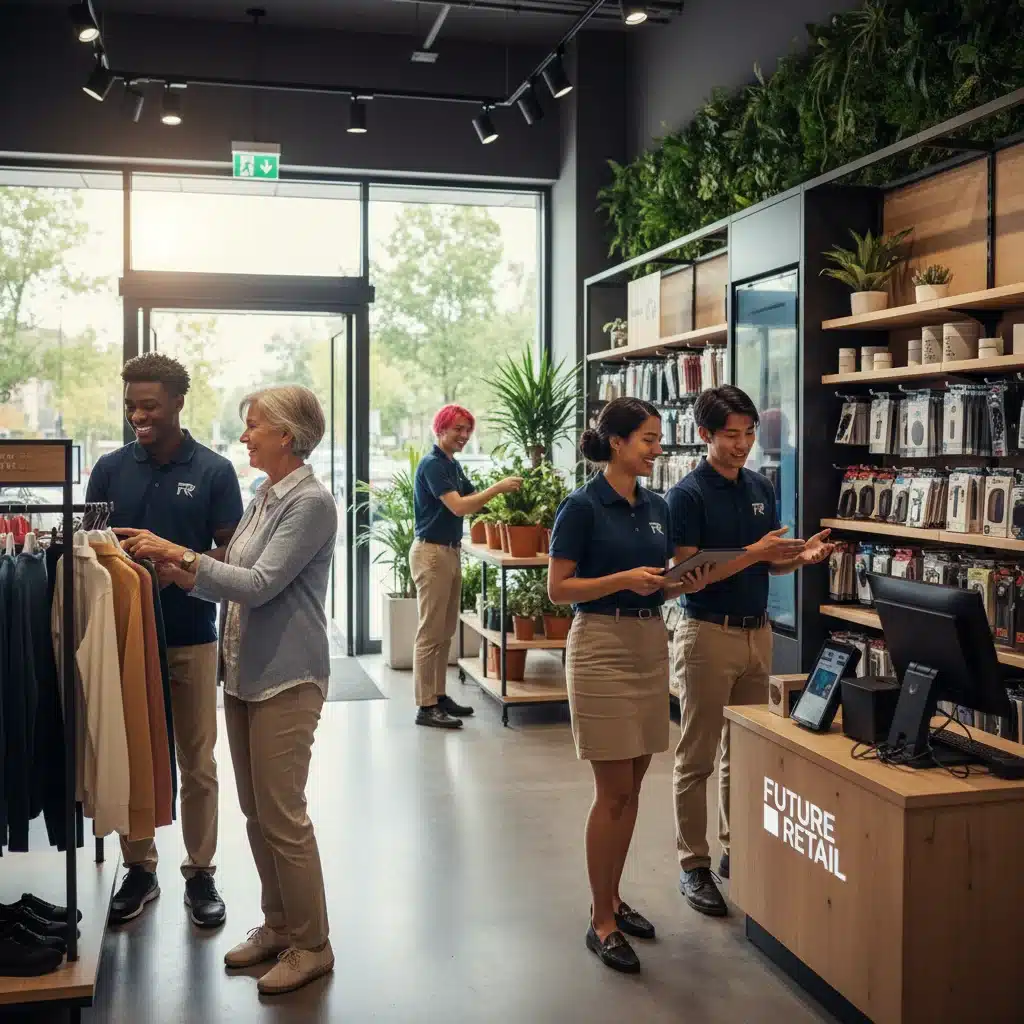
The United States retail sector is on the precipice of a significant challenge: a projected labor shortage by 2026. This isn’t merely a fleeting trend but a systemic issue that demands immediate and strategic attention. As consumer demands evolve and the economic landscape shifts, retailers face an increasingly competitive talent market. The repercussions of an unaddressed retail labor shortage are vast, impacting everything from customer service quality and operational efficiency to profitability and brand reputation. Businesses that fail to adapt will struggle to maintain their competitive edge, while those that proactively implement robust retention strategies will not only survive but thrive.
Understanding the root causes of this impending crisis is the first step toward effective mitigation. Factors such as changing demographics, evolving worker expectations, the rise of the gig economy, and the lingering effects of the recent global health crisis all contribute to a shrinking pool of available and qualified retail talent. Traditional recruitment methods are proving insufficient, and a renewed focus on employee retention has become paramount. This article will delve into three critical strategies designed to help US retailers navigate the 2026 retail labor shortage, boost staff retention, and reduce turnover by a significant 15%. By investing in their people, retailers can build a resilient, engaged workforce capable of meeting future demands.
The Looming Threat: Understanding the 2026 US Retail Labor Shortage
Before we can effectively address the problem, we must fully grasp its scope and complexity. The 2026 retail labor shortage is not a hypothetical scenario; it’s a well-researched projection based on demographic shifts, economic indicators, and industry trends. The retail sector, historically characterized by high turnover, is particularly vulnerable. Younger generations, who once formed the backbone of the entry-level retail workforce, are increasingly seeking opportunities in other sectors that offer perceived better benefits, career progression, and work-life balance. Simultaneously, an aging workforce means a significant portion of experienced retail professionals will be retiring, creating a knowledge gap that is difficult to fill.
The impact of this retail labor shortage extends far beyond just having fewer staff. It manifests in longer customer wait times, reduced store cleanliness, stockouts due to inefficient replenishment, and a general decline in the overall customer experience. For employees, understaffing leads to increased workloads, higher stress levels, and burnout, further exacerbating turnover rates. This vicious cycle can cripple a business, making it even harder to attract new talent. Moreover, the cost of high turnover is substantial, encompassing recruitment expenses, onboarding, training, and lost productivity. Estimates suggest that replacing a single retail employee can cost anywhere from 1.5 to 2 times their annual salary, making effective retention not just a human resources issue but a critical financial imperative.
The COVID-19 pandemic also played a significant role in accelerating these trends. Many retail workers, deemed essential, faced unprecedented challenges and risks, leading some to reconsider their career paths. The shift towards e-commerce also highlighted the need for different skill sets in retail, creating a demand for tech-savvy individuals while potentially displacing others. Retailers must acknowledge these multifaceted pressures and understand that a ‘business as usual’ approach will not suffice. Innovative and empathetic strategies are required to build a sustainable workforce for the future.
Strategy 1: Elevate Employee Experience Through Competitive Compensation and Benefits
At the heart of any successful retention strategy lies a commitment to valuing employees, and this starts with competitive compensation and comprehensive benefits. In an era where the cost of living continues to rise, a fair wage is no longer just an expectation but a necessity. Retailers must regularly benchmark their salaries against industry standards and local market rates, ensuring they are not just competitive but ideally, leading the pack. This isn’t about simply meeting the minimum wage; it’s about offering a living wage that reflects the value and effort employees bring to the business.
Beyond the base salary, a robust benefits package can be a powerful differentiator. This includes traditional offerings such as health insurance, dental, and vision, but also extends to more progressive benefits. Consider offering paid time off (PTO) that is competitive, flexible scheduling options that accommodate personal needs, and retirement plans like 401(k)s with employer matching. These benefits signal to employees that their well-being, both personal and financial, is a priority for the company. Furthermore, explore unique perks that resonate with your workforce, such as employee discounts that go beyond standard offerings, tuition reimbursement programs, or even subsidized transportation.
Transparency in compensation and benefits is also crucial. Employees want to understand how their pay is determined and what benefits are available to them. Clearly communicating these aspects can build trust and reduce perceptions of unfairness. Regular reviews and adjustments to compensation packages, tied to performance and market changes, will ensure that your offerings remain attractive and responsive to the evolving needs of your team. By making a tangible investment in their financial and personal security, retailers can significantly improve job satisfaction and reduce the likelihood of employees seeking opportunities elsewhere. This proactive approach to compensation and benefits is a foundational pillar in combating the retail labor shortage and achieving that 15% reduction in turnover.
Strategy 2: Invest in Training, Development, and Career Pathing
One of the primary reasons retail employees leave their positions is a perceived lack of growth opportunities. To counter this, retailers must commit to investing heavily in training, development, and clearly defined career paths. This strategy not only equips employees with the skills needed for their current roles but also shows them a tangible future within the organization, fostering loyalty and engagement.
Effective training programs go beyond basic onboarding. They should be continuous, evolving, and tailored to both individual and organizational needs. This includes product knowledge, customer service excellence, sales techniques, and operational efficiencies. But it shouldn’t stop there. Offer training in soft skills like communication, conflict resolution, and leadership, which are invaluable for career progression. Utilize a blended learning approach, incorporating online modules, in-person workshops, and on-the-job coaching to cater to diverse learning styles.
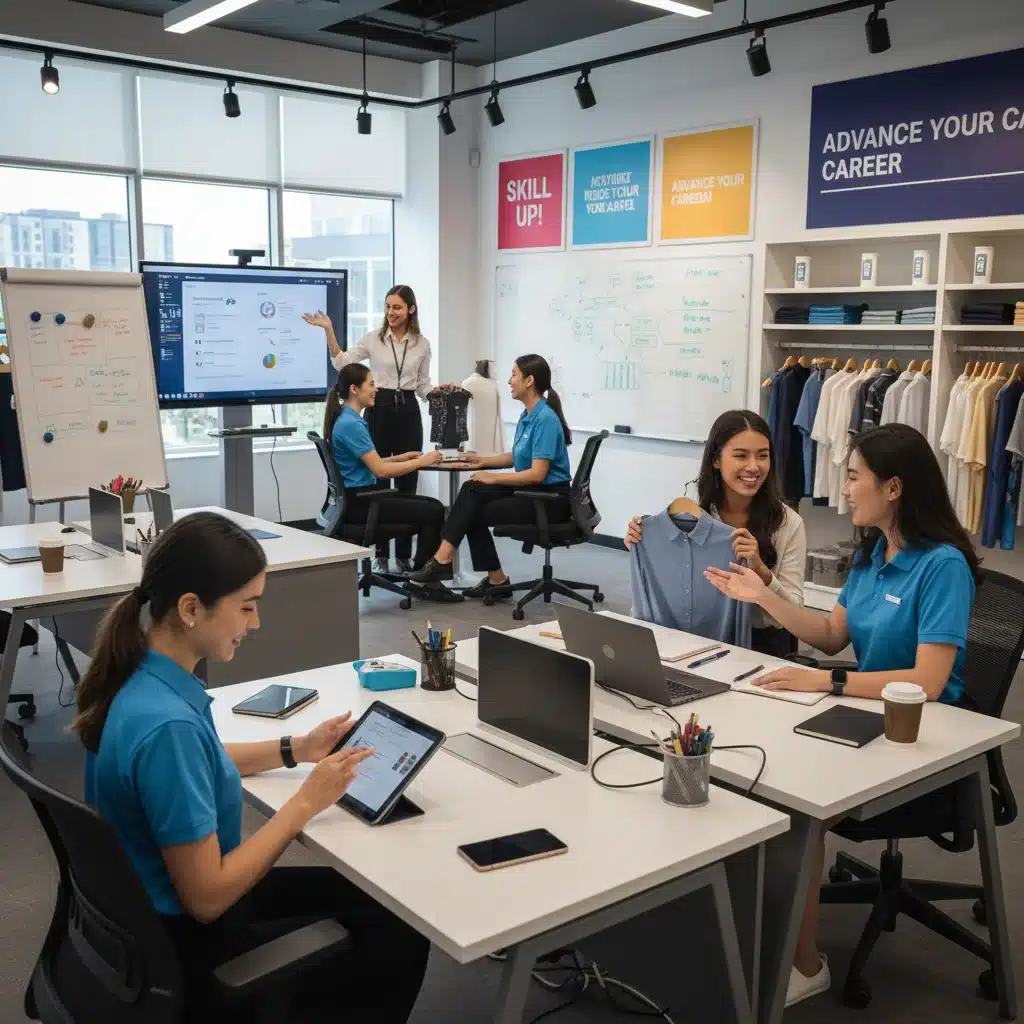
Crucially, pair this training with explicit career pathing. Many retail workers start in entry-level positions without a clear understanding of how they can advance. Retailers should map out potential career trajectories, from sales associate to team leader, department manager, store manager, and even corporate roles. Provide mentorship programs where experienced employees guide newer ones, offering insights and support for their professional journey. Regular performance reviews should include discussions about career aspirations and the steps needed to achieve them, along with opportunities for cross-training and lateral moves to broaden skill sets.
By demonstrating a genuine commitment to employee development, retailers can transform jobs into careers. This not only makes positions more attractive to potential hires but also significantly boosts the morale and retention of existing staff. Employees who see a future with their current employer are far less likely to seek opportunities elsewhere, directly contributing to a reduction in turnover and helping to mitigate the impending retail labor shortage. This investment in human capital is an investment in the long-term success and stability of the retail business.
Strategy 3: Foster a Positive and Inclusive Work Culture
Beyond compensation and career opportunities, the daily work environment plays a pivotal role in employee retention. A positive and inclusive work culture can be a powerful antidote to the retail labor shortage. This strategy focuses on creating an atmosphere where employees feel respected, valued, heard, and supported.
Firstly, prioritize effective and empathetic leadership. Managers are the direct link between the company and its employees, and their behavior significantly impacts team morale. Provide leadership training that emphasizes communication, active listening, conflict resolution, and recognition. Leaders should be equipped to provide constructive feedback, celebrate successes, and genuinely care about their team members’ well-being. A supportive manager can make all the difference in an employee’s decision to stay or leave.
Secondly, cultivate a culture of recognition and appreciation. Employees want to feel that their hard work is noticed and valued. Implement formal and informal recognition programs, from employee-of-the-month awards and performance bonuses to simple verbal praise and thank-you notes. Celebrate milestones, both personal and professional. When employees feel appreciated, their engagement and loyalty naturally increase.
Thirdly, foster open communication and provide avenues for employee feedback. Create channels where employees can voice concerns, offer suggestions, and feel confident that their input will be considered. This could include regular one-on-one meetings, anonymous suggestion boxes, or employee satisfaction surveys. Acting on feedback demonstrates that the company values its employees’ perspectives, leading to a stronger sense of ownership and belonging.
Finally, champion diversity, equity, and inclusion (DEI). An inclusive workplace embraces differences and ensures that all employees feel a sense of belonging and have equal opportunities to succeed. This means actively working to eliminate biases, promoting fairness in hiring and promotion, and creating a safe environment where everyone feels comfortable bringing their authentic selves to work. A diverse workforce brings a wider range of perspectives and experiences, enriching the company culture and making it more appealing to a broader talent pool. By building a workplace that is not only positive but also equitable and inclusive, retailers can significantly enhance employee satisfaction, reduce turnover, and effectively combat the challenges of the retail labor shortage.
Measuring Success: Achieving a 15% Turnover Reduction
Implementing these strategies is only half the battle; measuring their effectiveness is crucial for continuous improvement and demonstrating return on investment. The goal of a 15% reduction in turnover is ambitious but achievable with a dedicated and data-driven approach. To track progress, retailers must establish clear metrics and regularly analyze their workforce data.
Start by accurately calculating your current turnover rate. This involves tracking the number of employees who leave over a specific period (e.g., quarterly or annually) relative to the average number of employees. Once a baseline is established, monitor this metric diligently after implementing new strategies. Beyond the overall turnover rate, segment the data by department, store location, role, and even manager to identify specific areas that might require more targeted intervention. High turnover in one department, for example, might indicate a need for specific leadership training or a review of workload distribution.
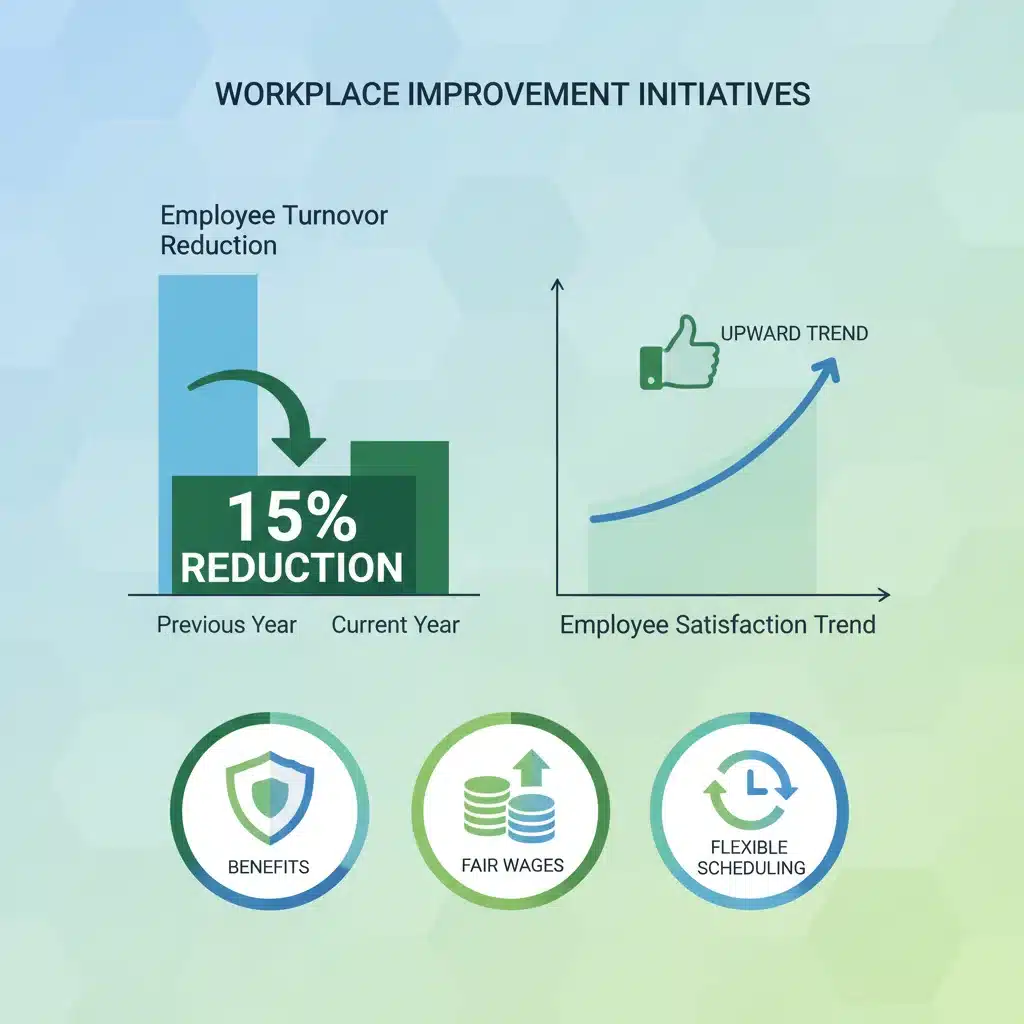
However, turnover rate alone doesn’t tell the whole story. Complement this with other key performance indicators (KPIs) such as employee satisfaction scores (derived from surveys), engagement levels, absenteeism rates, and the average tenure of employees. An increase in satisfaction and engagement, coupled with a decrease in absenteeism and an increase in average tenure, are strong indicators that your retention strategies are working. Exit interviews are also invaluable tools, providing direct feedback from departing employees about their reasons for leaving, which can highlight areas for improvement.
Regularly review these metrics with leadership and make data-informed adjustments to your strategies. If a particular benefit isn’t resonating, consider alternatives. If a training program isn’t yielding desired results, refine its content or delivery. The journey to reducing turnover is iterative and requires constant evaluation and adaptation. By diligently tracking progress and being willing to evolve, retailers can confidently work towards and achieve their 15% turnover reduction goal, solidifying their workforce against the retail labor shortage.
The Future of Retail Staffing: Proactive Steps for Long-Term Success
Addressing the 2026 US retail labor shortage is not a one-time fix but an ongoing commitment to nurturing a thriving workforce. The strategies outlined – competitive compensation and benefits, robust training and career development, and a positive and inclusive work culture – form a holistic framework for long-term success. Retailers who embrace these principles will not only mitigate the immediate challenges but also build a sustainable competitive advantage in attracting and retaining top talent.
Looking ahead, retailers should also consider leveraging technology to enhance the employee experience and operational efficiency. This includes implementing advanced scheduling software that offers employees more control over their hours, utilizing AI-powered tools for personalized training, and streamlining communication platforms to foster better team collaboration. Technology can free up employees from mundane tasks, allowing them to focus on higher-value activities that enhance customer experience and personal growth.
Furthermore, building strong community ties and promoting the positive aspects of a career in retail can help shift public perception. Retail offers diverse opportunities, from sales and marketing to logistics and management, and can be a stepping stone to various professional paths. Highlighting these aspects through partnerships with local schools, colleges, and workforce development programs can inspire a new generation to consider retail as a viable and rewarding career choice.
Ultimately, the future of retail staffing lies in recognizing that employees are the most valuable asset. Investing in their well-being, growth, and satisfaction is not merely an expense but a strategic investment that yields significant returns in reduced turnover, increased productivity, enhanced customer loyalty, and a resilient business model. By taking these proactive steps, US retailers can confidently navigate the challenges of the 2026 retail labor shortage, ensuring a vibrant and dedicated workforce for years to come.
Conclusion: A Resilient Retail Workforce for 2026 and Beyond
The impending 2026 US retail labor shortage presents a significant hurdle for businesses across the nation. However, it also serves as a crucial catalyst for change, urging retailers to re-evaluate traditional approaches to staffing and embrace employee-centric strategies. By focusing on three pivotal areas – competitive compensation and benefits, continuous training and clear career paths, and the cultivation of a positive and inclusive work culture – retailers can not only combat the shortage but also achieve a tangible 15% reduction in staff turnover.
The financial and operational costs associated with high turnover are substantial, making proactive retention efforts a financial imperative. Beyond the numbers, investing in employees fosters a more engaged, motivated, and productive workforce, which directly translates into superior customer experiences and stronger brand loyalty. The retail landscape is constantly evolving, and a resilient, adaptable workforce is the cornerstone of sustained success. By prioritizing their people, retailers are not just filling vacancies; they are building a foundation for future growth and profitability.
The time for action is now. Retail leaders must commit to implementing these strategies, regularly measuring their impact, and adapting as needed. The businesses that recognize the value of their human capital and invest wholeheartedly in their teams will be the ones that not only survive the challenges of the 2026 retail labor shortage but emerge stronger, more agile, and better positioned for long-term prosperity in a dynamic market. Let us transform the challenge of the retail labor shortage into an opportunity to redefine the retail employee experience and build an industry known for its commitment to its people.