Unlocking 15% More Customer Insights: Leveraging Real-Time Retail Analytics in 2026 for US E-commerce Growth
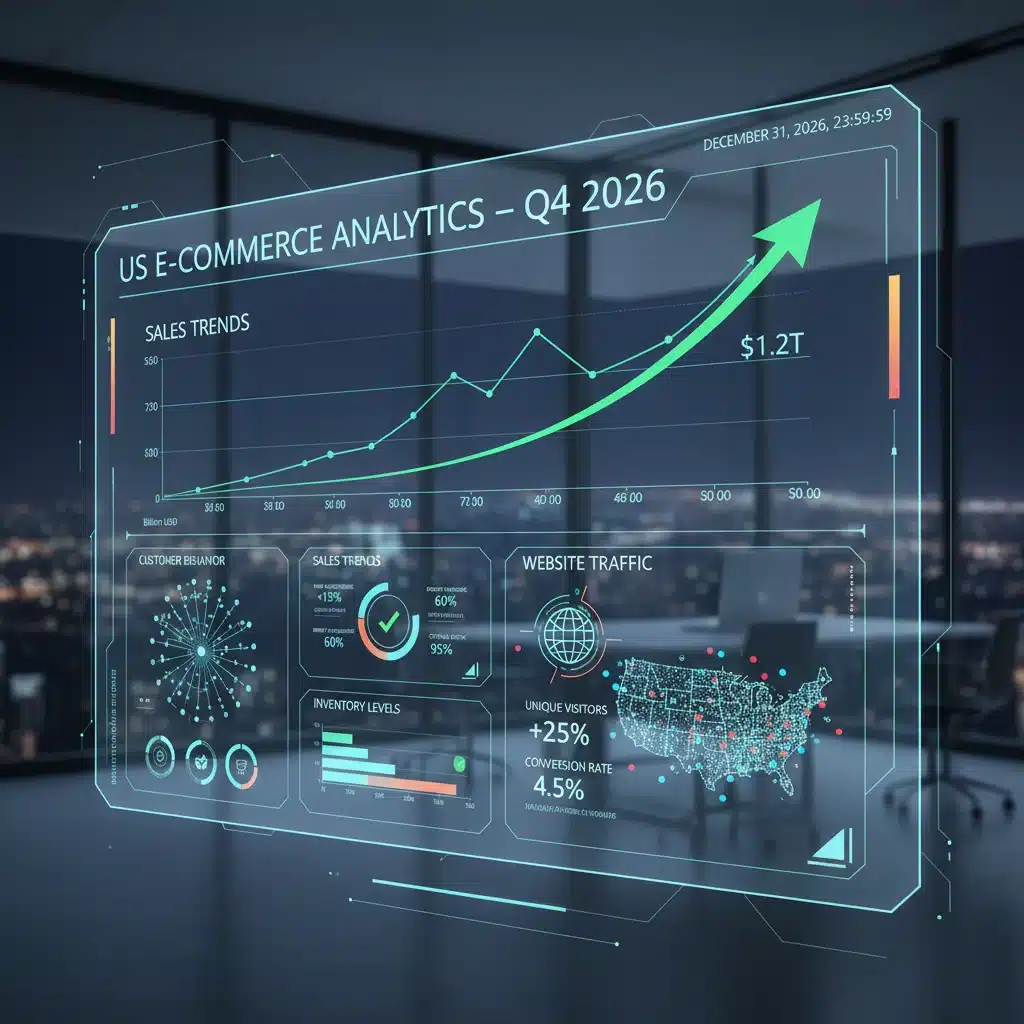
Unlocking 15% More Customer Insights: Leveraging Real-Time Retail Analytics in 2026 for US E-commerce Growth
The landscape of US e-commerce is in a constant state of flux, driven by evolving consumer expectations, technological advancements, and an increasingly competitive marketplace. To thrive, businesses must move beyond traditional, retrospective analysis and embrace the power of real-time retail analytics. This isn’t just about staying afloat; it’s about seizing opportunities for significant growth, with projections indicating that businesses effectively utilizing these insights could unlock an additional 15% in customer understanding and subsequent revenue by 2026.
The digital storefronts of today are data-rich environments, generating colossal amounts of information every second. From website clicks and abandoned carts to social media interactions and customer service inquiries, every touchpoint leaves a digital footprint. The challenge, and indeed the opportunity, lies in harnessing this deluge of data and transforming it into actionable intelligence. This article delves into the critical role of real-time retail analytics in the modern e-commerce ecosystem, exploring its benefits, implementation strategies, and the transformative impact it will have on US e-commerce growth in the coming years.
The Imperative of Real-Time Data in E-commerce
In an age where consumer attention spans are fleeting and expectations for instant gratification are high, the ability to react immediately to customer behavior is paramount. Traditional analytics, which often involve processing data in batches or after a significant delay, simply cannot keep pace. By the time insights are gleaned from historical data, the opportunity to influence a customer’s decision or address a pain point may have already passed.
Real-time retail analytics provides a continuous stream of up-to-the-minute information, allowing e-commerce businesses to:
- Identify emerging trends instantly: Spotting spikes in product interest, sudden shifts in search queries, or trending topics on social media as they happen.
- Personalize experiences on the fly: Dynamically adjusting website content, product recommendations, and promotional offers based on a user’s current browsing behavior and preferences.
- Optimize pricing and promotions: Responding to competitor actions or inventory levels with agile pricing adjustments and targeted discounts.
- Prevent fraud and mitigate risks: Detecting suspicious activity and potential security breaches in real-time, safeguarding both the business and its customers.
- Enhance customer service: Providing agents with immediate access to a customer’s journey and purchase history, enabling more informed and efficient support.
The competitive advantage gained from these capabilities is immense. Businesses that can understand and respond to their customers in real-time are better positioned to capture sales, build loyalty, and ultimately, drive sustainable growth. The 15% increase in customer insights isn’t a mere arbitrary figure; it represents the tangible gains from a proactive, data-driven approach that anticipates and addresses customer needs before they even fully materialize.
Defining Real-Time Retail Analytics: More Than Just Fast Data
It’s important to differentiate between merely “fast data” and true real-time retail analytics. While fast data implies a quicker processing cycle, real-time analytics goes a step further by integrating data streams, applying advanced algorithms, and delivering actionable insights that can trigger immediate responses or automated actions. It’s not just about seeing what happened moments ago; it’s about understanding why it happened and what to do about it right now.
Key components of a robust real-time analytics system include:
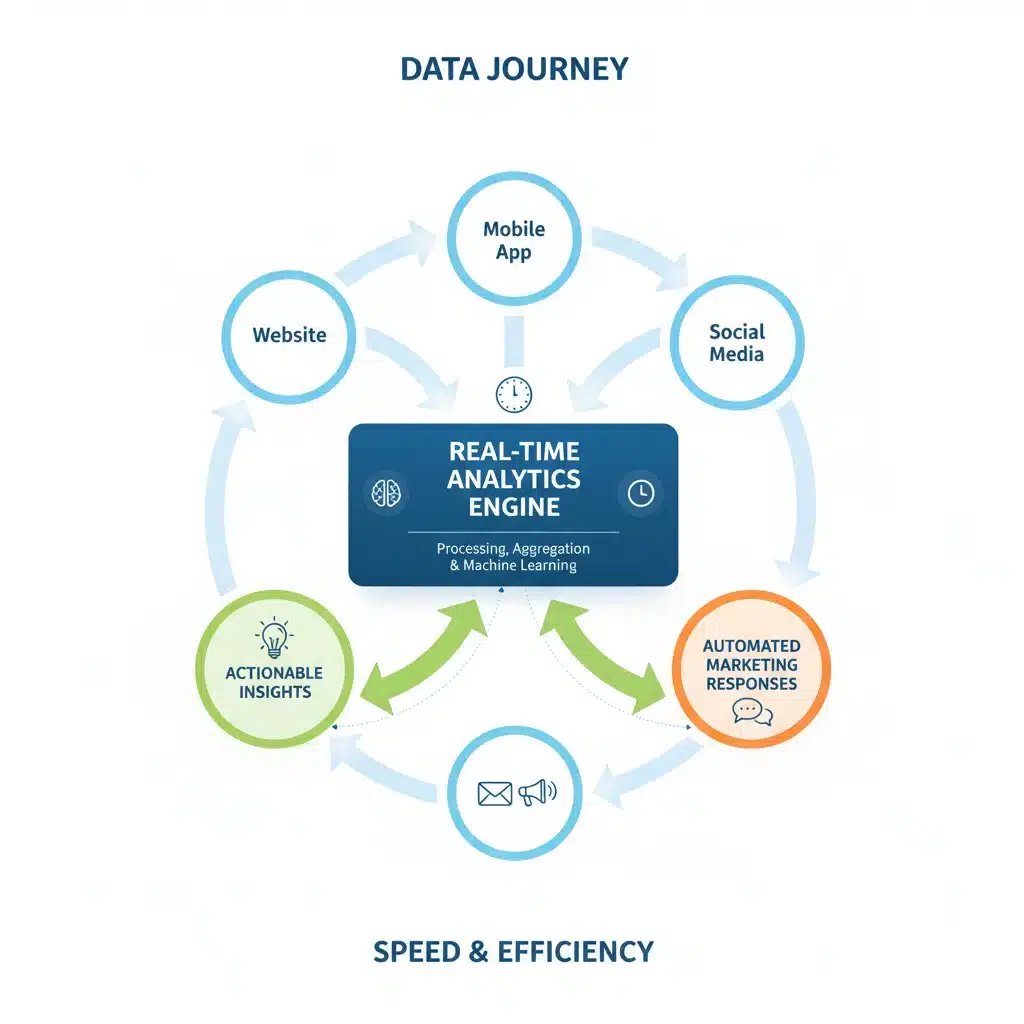
- Data Ingestion and Streaming: The ability to collect vast amounts of data from diverse sources (web, mobile apps, POS, social media, IoT devices) as it is generated, often using technologies like Apache Kafka or Amazon Kinesis.
- Real-Time Processing Engines: High-performance computing frameworks (e.g., Apache Flink, Spark Streaming) capable of processing incoming data streams with minimal latency.
- Machine Learning and AI Algorithms: Employing predictive models, anomaly detection, sentiment analysis, and recommendation engines to extract deeper insights and automate decision-making.
- Real-Time Dashboards and Visualization: Interactive interfaces that provide business users with immediate, digestible views of key performance indicators (KPIs) and customer behavior.
- Automated Action Triggers: Systems that can automatically initiate responses based on predefined rules or AI-driven insights, such as sending a personalized email, adjusting inventory alerts, or modifying a website display.
By 2026, the adoption of these sophisticated systems will be a baseline requirement for any US e-commerce business aiming for significant market share. The companies that fail to invest in real-time retail analytics will find themselves constantly playing catch-up, reacting to market shifts rather than proactively shaping them.
Strategic Benefits for US E-commerce Growth by 2026
The advantages of implementing real-time retail analytics are multifaceted and directly contribute to substantial e-commerce growth. Let’s explore some of the most impactful benefits:
Enhanced Customer Experience and Personalization
At the heart of e-commerce success lies the customer experience. Real-time analytics allows businesses to create hyper-personalized journeys, anticipating needs and offering relevant solutions. Imagine a customer browsing for hiking boots; real-time data can instantly suggest complementary products like waterproof socks or trail maps, or even offer a discount on a related item based on their browsing history. This level of personalization not only increases conversion rates but also fosters deeper customer loyalty.
Optimized Inventory Management and Supply Chain Efficiency
Stockouts and overstocking are significant drains on profitability. Real-time retail analytics provides immediate visibility into sales velocity, product demand, and inventory levels across various warehouses and distribution centers. This enables e-commerce businesses to:
- Minimize stockouts by triggering reorder alerts proactively.
- Reduce carrying costs by optimizing inventory levels.
- Identify slow-moving items for targeted promotions.
- Improve forecasting accuracy for seasonal demands and promotional events.
By 2026, agile supply chains powered by real-time data will be a non-negotiable competitive advantage, allowing US e-commerce companies to respond to market fluctuations with unprecedented speed.
Dynamic Pricing and Promotional Strategies
The ability to adjust pricing and promotions in real-time based on competitor pricing, demand elasticity, inventory levels, and even individual customer behavior is a game-changer. Real-time retail analytics empowers dynamic pricing models that maximize revenue and profit margins. For instance, if a competitor drops the price on a popular item, your system can automatically adjust your price to remain competitive, or if a product is selling exceptionally well, its price can be optimized to capitalize on demand.
Fraud Detection and Security
E-commerce platforms are constant targets for fraudulent activities. Real-time analytics can detect anomalous purchasing patterns, unusual login attempts, or suspicious transaction sizes as they occur, flagging them for immediate review or automated blocking. This protects both the business from financial loss and customers from identity theft, building trust and safeguarding brand reputation.
Improved Marketing ROI and Campaign Optimization
With real-time insights, marketing teams can monitor campaign performance as it unfolds, rather than waiting for post-campaign reports. This allows for immediate adjustments to ad spend, targeting parameters, creative elements, and call-to-actions, ensuring that marketing efforts are always optimized for maximum return on investment. The ability to A/B test in real-time and iterate quickly means more effective campaigns and better allocation of marketing budgets.
Implementing Real-Time Retail Analytics: A Roadmap for Success
Adopting a comprehensive real-time retail analytics strategy requires careful planning and execution. Here’s a roadmap for US e-commerce businesses aiming to achieve significant growth by 2026:
1. Define Clear Business Objectives
Before diving into technology, clearly articulate what you aim to achieve. Are you looking to reduce cart abandonment, increase average order value, improve customer retention, or optimize inventory? Specific objectives will guide your data collection, processing, and analysis efforts.
2. Assess Your Current Data Infrastructure
Evaluate your existing data sources, storage solutions, and analytical capabilities. Identify gaps in data collection, potential silos, and areas where real-time processing can be integrated. This often involves migrating from legacy systems to cloud-native, scalable architectures.
3. Choose the Right Technology Stack
Selecting the appropriate tools and platforms is crucial. This might include:
- Data Streaming Platforms: Apache Kafka, Amazon Kinesis, Google Cloud Pub/Sub.
- Real-Time Processing Engines: Apache Flink, Spark Streaming, Google Cloud Dataflow.
- NoSQL Databases: MongoDB, Cassandra, Redis for fast data retrieval.
- Cloud Data Warehouses: Snowflake, Google BigQuery, Amazon Redshift for integrated analytics.
- BI and Visualization Tools: Tableau, Power BI, Looker, or custom dashboards for real-time reporting.
- AI/ML Platforms: AWS SageMaker, Google AI Platform, Azure Machine Learning for advanced analytics.
The choice will depend on your specific needs, existing infrastructure, and budget. Many cloud providers offer integrated solutions that simplify deployment.
4. Integrate Data Sources
Connect all relevant data sources – website analytics (Google Analytics 4), CRM, ERP, social media, email marketing platforms, customer service logs, and point-of-sale (if applicable for omnichannel retailers). The more comprehensive your data ingestion, the richer your insights will be.
5. Develop Real-Time Dashboards and Alerts
Create intuitive dashboards that display key metrics in real-time. Configure alerts for critical events, such as a sudden drop in conversion rates, an unusual surge in traffic, or a significant increase in customer complaints. These alerts empower teams to react swiftly.
6. Implement Machine Learning Models
Leverage AI and machine learning for predictive analytics (e.g., predicting customer churn, future demand), recommendation engines, sentiment analysis, and anomaly detection. These models transform raw data into intelligent insights and automated actions.
7. Foster a Data-Driven Culture
Technology alone is not enough. Train your teams on how to interpret and act upon real-time data. Encourage experimentation, continuous learning, and a culture where decisions are backed by immediate insights. This cultural shift is vital for maximizing the return on your real-time retail analytics investment.
Challenges and Considerations for 2026
While the benefits are clear, implementing real-time retail analytics is not without its challenges:
- Data Volume and Velocity: Handling the sheer volume and speed of incoming data requires robust infrastructure and scalable solutions.
- Data Quality: Inaccurate or inconsistent data can lead to flawed insights and poor decisions. Establishing strong data governance and validation processes is essential.
- Integration Complexity: Connecting disparate systems and ensuring seamless data flow can be technically challenging.
- Talent Gap: Finding skilled data scientists, engineers, and analysts who can build, maintain, and interpret real-time systems can be difficult.
- Privacy and Compliance: Adhering to data privacy regulations (e.g., CCPA, GDPR) while collecting and processing real-time customer data is paramount. Businesses must ensure transparency and provide customers with control over their data.
- Cost of Implementation: The initial investment in technology, infrastructure, and talent can be significant, though the ROI often justifies it in the long run.
Addressing these challenges proactively will be key for US e-commerce businesses looking to gain a competitive edge by 2026. Strategic partnerships with analytics vendors, cloud service providers, and data consulting firms can help mitigate many of these hurdles.

The Future is Now: Real-Time Analytics in Action
Consider a scenario in 2026: A customer visits an e-commerce website, browsing several product pages but not adding anything to their cart. A traditional system might register this as a missed opportunity. However, with real-time retail analytics, the system immediately recognizes the user’s browsing pattern, cross-references it with their past purchase history and demographic data, and identifies a common reason for abandonment – perhaps they frequently compare prices.
Instantly, the system could:
- Trigger a personalized pop-up offer for a small discount on a specific product they viewed, valid for the next 15 minutes.
- Send a push notification to their mobile app highlighting a unique feature of a product they seemed interested in.
- Adjust the website’s layout to prioritize customer reviews or trust badges for similar products, addressing potential hesitations.
This immediate, data-driven interaction significantly increases the likelihood of conversion, illustrating the power of moving from reactive to proactive engagement. This isn’t science fiction; it’s the reality that real-time retail analytics is making possible today and will be standard practice by 2026.
Conclusion: Seizing the Real-Time Advantage for 2026 Growth
The journey to unlocking an additional 15% in customer insights and driving substantial US e-commerce growth by 2026 hinges on the effective adoption and strategic utilization of real-time retail analytics. It’s no longer a luxury but a necessity for businesses aiming to remain competitive and relevant in a rapidly evolving digital marketplace.
By embracing continuous data streams, advanced processing, and intelligent automation, e-commerce businesses can move beyond mere data collection to truly understanding and anticipating their customers’ needs. This proactive approach leads to superior customer experiences, optimized operations, and ultimately, a significant boost in revenue and market share. The time to invest in and master real-time retail analytics is now, paving the way for a data-driven, highly successful future in US e-commerce.