Mastering Last-Mile Delivery: Reduce E-commerce Costs 10% in 2025
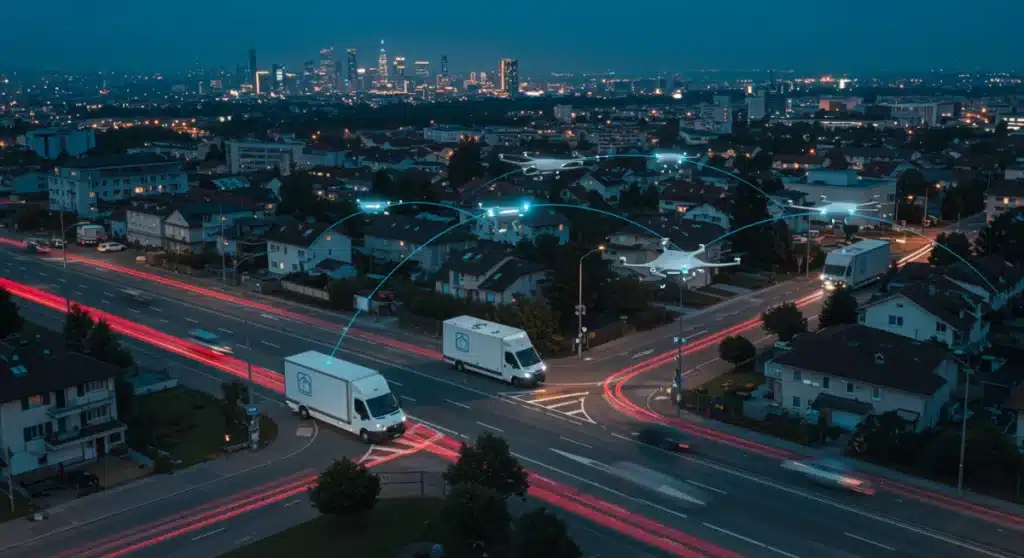
US e-commerce retailers can strategically reduce last-mile delivery costs by 10% in 2025 by implementing advanced route optimization, leveraging innovative delivery methods, and fostering robust data analytics for operational efficiency.
In the rapidly evolving landscape of online retail, mastering last-mile delivery: reducing costs by 10% for US e-commerce retailers in 2025 is not just an ambitious goal; it’s a strategic imperative. As consumer expectations for faster and cheaper shipping continue to escalate, the final leg of the delivery journey—the last mile—remains the most complex and expensive. This segment can account for more than half of total shipping costs, directly impacting profitability. For US e-commerce businesses looking to thrive, understanding and implementing effective cost-reduction strategies in this critical area is paramount to staying competitive and meeting customer demands.
Understanding the Last-Mile Challenge in E-commerce
The last mile represents the journey of a product from a transportation hub to its final destination, typically a customer’s doorstep. This stage is notoriously inefficient due to factors like traffic congestion, scattered delivery points, customer availability issues, and the sheer volume of individual stops. For US e-commerce retailers, these challenges translate directly into higher operational costs and, if not managed effectively, can erode profit margins significantly.
The complexity is further amplified by the diverse geographical landscape of the United States, ranging from dense urban centers to sprawling rural areas, each presenting unique logistical hurdles. Retailers must navigate these varied environments while striving for consistent service levels and cost efficiency. The goal of reducing last-mile delivery costs by 10% in 2025 demands a multifaceted approach that addresses these inherent difficulties head-on.
The economic impact of inefficient last-mile operations
- Increased fuel consumption: Suboptimal routes lead to longer distances and more fuel use.
- Labor costs: Drivers’ wages, overtime, and benefits constitute a significant portion of expenses.
- Vehicle maintenance: More mileage and stop-and-go traffic increase wear and tear.
- Failed deliveries: Redelivery attempts or returns add substantial costs and customer frustration.
Addressing these inefficiencies is not merely about cutting expenses; it’s about optimizing the entire delivery ecosystem to create a more resilient and responsive supply chain. By understanding the core challenges, retailers can begin to identify specific areas for improvement and implement targeted solutions.
Ultimately, the last-mile challenge is a critical bottleneck that, if resolved, can unlock significant economic benefits for e-commerce businesses. A 10% cost reduction is ambitious but achievable through a combination of technological innovation, strategic planning, and operational excellence.
Leveraging Technology for Route Optimization and Efficiency
Technology stands at the forefront of any successful strategy to reduce last-mile delivery costs. Advanced route optimization software, real-time tracking, and predictive analytics are no longer luxuries but necessities for any US e-commerce retailer aiming for a 10% cost reduction by 2025. These tools provide the intelligence needed to streamline operations, minimize wasted resources, and enhance delivery speed and accuracy.
Implementing sophisticated routing algorithms can drastically cut down on mileage, fuel consumption, and driver hours. These systems consider multiple variables, such as traffic patterns, delivery windows, vehicle capacity, and even weather conditions, to create the most efficient paths. The result is a significant reduction in operational overhead and an improvement in overall delivery performance.
Key technological applications
- Route planning software: Dynamically optimizes routes, considering multiple stops and constraints.
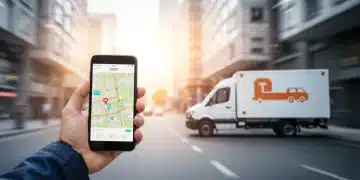
- GPS tracking: Provides real-time visibility into driver locations and delivery progress.
- Predictive analytics: Forecasts demand, identifies potential delays, and optimizes resource allocation.
- Mobile applications for drivers: Facilitate communication, proof of delivery, and navigation.
Beyond route optimization, technology enables better inventory management and warehouse operations, ensuring that packages are ready for dispatch efficiently. Integration between various systems—from order placement to final delivery—creates a seamless flow of information, reducing errors and improving coordination.
By embracing these technological advancements, e-commerce retailers can transform their last-mile operations from a cost center into a competitive advantage, directly contributing to the goal of reducing costs by 10% without compromising service quality.
Exploring Alternative Delivery Models and Partnerships
To truly achieve a 10% reduction in last-mile delivery costs, US e-commerce retailers must look beyond traditional delivery methods and explore innovative models and strategic partnerships. The landscape of logistics is constantly evolving, offering new opportunities for efficiency and cost savings. These alternatives can help address the unique challenges of different geographical areas and customer preferences.
One increasingly popular approach is leveraging local networks, such as crowdsourced delivery platforms or partnerships with local businesses for pickup points. These models can significantly reduce the fixed costs associated with maintaining a dedicated fleet and staff, especially in areas with fluctuating demand.
Innovative delivery strategies
- Crowdsourced delivery: Utilizes a network of independent contractors for flexible, on-demand deliveries.
- Click-and-collect (BOPIS): Allows customers to pick up orders at a store or designated location, eliminating home delivery costs.
- Locker systems: Secure, automated lockers provide a convenient and cost-effective alternative to home delivery.
- Consolidated deliveries: Partnering with other retailers to share delivery routes and reduce individual shipping costs.
Strategic partnerships with 3PL (third-party logistics) providers can also offer economies of scale and access to advanced logistical infrastructure that individual retailers might not possess. These partnerships can provide specialized services, optimized networks, and flexible capacity, all contributing to cost efficiency.
Embracing these alternative models and fostering collaborative partnerships allows retailers to diversify their delivery options, adapt to market demands, and ultimately drive down the expenses associated with the last mile, moving closer to the 10% cost reduction target.
Optimizing Warehouse and Fulfillment Operations
The efficiency of last-mile delivery is intricately linked to the effectiveness of warehouse and fulfillment operations. A streamlined process within the warehouse ensures that packages are accurately picked, packed, and prepared for dispatch, minimizing delays and errors that can inflate last-mile costs. Investing in automation and optimizing layout can significantly impact the speed and precision of order fulfillment.
Poor warehouse management can lead to mispicks, damaged goods, and slow processing times, all of which create bottlenecks that reverberate through the entire delivery chain. By contrast, a well-organized and technologically advanced fulfillment center sets the stage for rapid and cost-effective last-mile execution.
Strategies for improved fulfillment
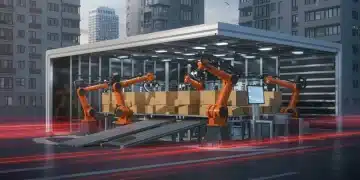
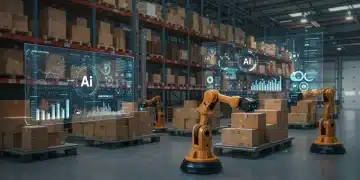
- Automated picking systems: Robots and automated guided vehicles (AGVs) can speed up order picking and reduce labor costs.
- Warehouse management systems (WMS): Software that optimizes inventory placement, tracking, and order fulfillment processes.
- Strategic facility placement: Locating fulfillment centers closer to major customer bases reduces transit times and last-mile distances.
- Cross-docking: Minimizing storage time by directly transferring incoming goods to outgoing shipments.
Furthermore, optimizing packaging can also play a role. Using right-sized packaging reduces void fill, prevents damage, and can lead to lower shipping costs due to volumetric weight considerations. Every small efficiency gained in the fulfillment center contributes to the larger goal of lowering last-mile delivery expenses.
By focusing on these internal operations, e-commerce retailers can create a solid foundation for achieving significant cost savings in their last-mile delivery, paving the way for the targeted 10% reduction.
Data Analytics and Performance Measurement
In the pursuit of reducing last-mile delivery costs by 10% for US e-commerce retailers in 2025, data analytics is an indispensable tool. Without accurate data and robust performance measurement, identifying inefficiencies and tracking the impact of implemented changes becomes nearly impossible. Retailers must establish clear metrics and utilize analytics to gain actionable insights into their delivery operations.
Collecting and analyzing data on everything from delivery times and fuel consumption to customer satisfaction and failed delivery rates provides a comprehensive overview of performance. This data-driven approach allows businesses to pinpoint problem areas, optimize processes, and make informed decisions about resource allocation and strategy adjustments.
Key performance indicators (KPIs) for last-mile delivery
- Cost per delivery: Tracks the average expense associated with each successful delivery.
- On-time delivery rate: Measures the percentage of deliveries completed within the promised timeframe.
- Failed delivery rate: Indicates the frequency of unsuccessful first-attempt deliveries.
- Route efficiency: Compares planned vs. actual mileage and time taken for routes.
- Customer satisfaction (CSAT): Gauges customer happiness with the delivery experience.
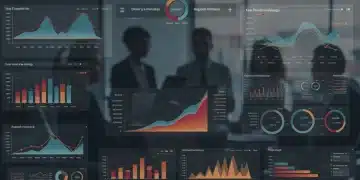
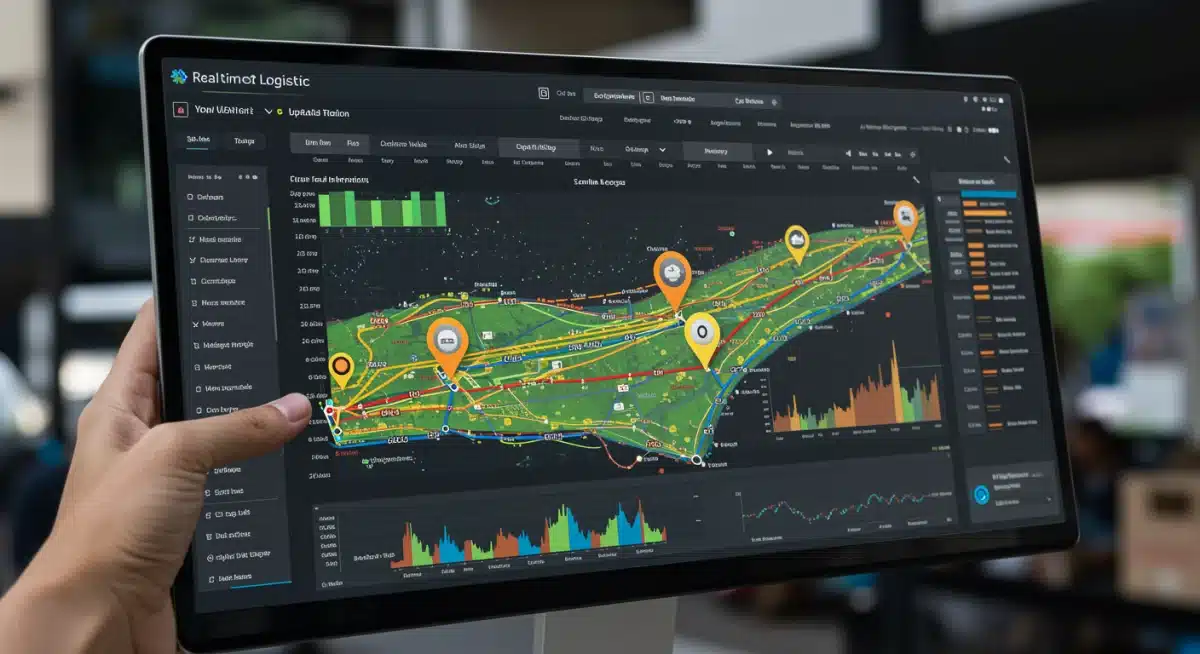
Implementing sophisticated dashboards and reporting tools allows retailers to visualize these KPIs in real-time, enabling quick responses to emerging issues and proactive adjustments to optimize performance. Regularly reviewing these metrics helps ensure that cost-reduction initiatives are effective and sustained.
A strong commitment to data analytics empowers e-commerce retailers to continuously refine their last-mile strategies, ensuring that every decision is backed by evidence and contributes directly to achieving the ambitious cost-reduction target.
Enhancing Customer Communication and Experience
While often overlooked in cost-reduction strategies, enhancing customer communication and experience plays a crucial role in lowering last-mile delivery expenses. Disappointed customers lead to complaints, returns, and redelivery attempts, all of which are costly. Proactive and transparent communication can prevent many of these issues, leading to smoother deliveries and higher satisfaction.
Providing customers with accurate delivery windows, real-time tracking, and options to reschedule or redirect packages empowers them and reduces the likelihood of failed deliveries. When customers are informed and have a sense of control, they are more likely to be available for package receipt, saving valuable time and resources for the delivery driver.
Improving customer touchpoints
- Real-time tracking notifications: SMS or email updates on package status and estimated arrival times.
- Flexible delivery options: Allowing customers to choose delivery dates, times, or alternative pickup locations.
- Proactive communication for delays: Informing customers immediately about any unforeseen issues affecting delivery.
- Easy returns process: A seamless return experience, though not directly last-mile, reduces customer frustration and strengthens loyalty.
Furthermore, a positive delivery experience builds customer loyalty, reducing churn and the need to acquire new customers—a costly endeavor. Happy customers are less likely to initiate costly inquiries or disputes, freeing up customer service resources. The investment in better communication ultimately pays dividends in reduced operational costs and increased customer retention.
By prioritizing a superior customer experience through effective communication, e-commerce retailers can indirectly but significantly contribute to their goal of reducing last-mile delivery costs by 10% by 2025, transforming potential problems into opportunities for efficiency.
Future Trends and Sustainability in Last-Mile Delivery
Looking towards 2025 and beyond, US e-commerce retailers must consider emerging trends and the growing importance of sustainability in their last-mile delivery strategies. These factors are not just about staying current; they offer new avenues for cost reduction and enhanced brand reputation. Embracing innovation and eco-friendly practices can lead to long-term operational efficiencies and appeal to increasingly conscious consumers.
The push for greener logistics, driven by both consumer demand and regulatory pressures, encourages the adoption of electric vehicles (EVs) and more efficient routing. While the initial investment in EVs might be higher, the long-term savings in fuel and maintenance costs are substantial, contributing to the 10% cost reduction goal.
Emerging trends to watch
- Electric vehicle fleets: Reduces fuel costs and carbon footprint, appealing to environmentally conscious consumers.
- Drone and robotic deliveries: Offers potential for faster, more autonomous deliveries in specific urban and suburban areas.
- Hyperlocal fulfillment: Utilizing micro-fulfillment centers closer to customers to reduce transit distances.
- Sustainable packaging: Reduces waste and enhances brand image, potentially lowering disposal costs.
Moreover, the integration of artificial intelligence (AI) and machine learning (ML) will continue to refine predictive analytics and route optimization, making last-mile operations even more intelligent and responsive. These technologies can anticipate demand, optimize dynamic routing, and even manage autonomous delivery systems.
By staying ahead of these trends and integrating sustainable practices, e-commerce retailers can future-proof their last-mile operations, further driving down costs, and building a resilient, environmentally responsible delivery network that meets the expectations of the modern consumer.
| Key Strategy | Brief Description |
|---|---|
| Route Optimization | Utilize advanced software to plan the most efficient delivery paths, reducing fuel and labor costs. |
| Alternative Delivery Models | Explore crowdsourcing, locker systems, and BOPIS to diversify and lower delivery expenses. |
| Data-Driven Decisions | Implement analytics to monitor KPIs, identify bottlenecks, and continuously refine delivery processes. |
| Customer Engagement | Proactive communication and flexible options reduce failed deliveries and enhance loyalty, saving costs. |
Frequently Asked Questions About Last-Mile Delivery Cost Reduction
The primary driver is the inefficiency inherent in delivering individual packages to numerous dispersed locations, often battling traffic, varied customer availability, and suboptimal route planning. This complexity significantly increases fuel, labor, and vehicle maintenance expenses for e-commerce retailers.
Route optimization software minimizes mileage and time by calculating the most efficient paths, considering real-time traffic, delivery windows, and multiple stops. This directly lowers fuel consumption, reduces driver overtime, and decreases vehicle wear and tear, leading to substantial cost savings.
Yes, alternative methods like click-and-collect, locker systems, and crowdsourced delivery can be highly cost-effective. They reduce the need for expensive home deliveries, offer flexibility, and leverage existing infrastructure or on-demand labor, especially beneficial in areas with high population density or specific customer needs.
Data analytics is crucial for identifying inefficiencies, tracking key performance indicators (KPIs) like cost per delivery and on-time rates, and making informed strategic adjustments. It provides actionable insights to optimize routes, resource allocation, and overall operational strategies, directly contributing to cost reduction goals.
Sustainable practices, such as adopting electric vehicles, reduce long-term fuel and maintenance costs. Additionally, eco-friendly packaging minimizes waste and can influence shipping weight. These initiatives not only improve environmental impact but also enhance brand image and contribute to operational savings over time.
Conclusion
Achieving a 10% reduction in last-mile delivery costs for US e-commerce retailers by 2025 is an attainable goal that requires a holistic and strategic approach. By integrating advanced technology for route optimization, exploring innovative delivery models, streamlining warehouse operations, leveraging comprehensive data analytics, and prioritizing clear customer communication, businesses can significantly enhance efficiency and profitability. The path to mastering last-mile delivery involves continuous innovation and a commitment to adapting to the evolving demands of the e-commerce landscape, ensuring sustainable growth and a superior customer experience.